Drone production, air defense sustainment — Germany backs Ukraine with $1.4 billion in defense agreements
 on Google
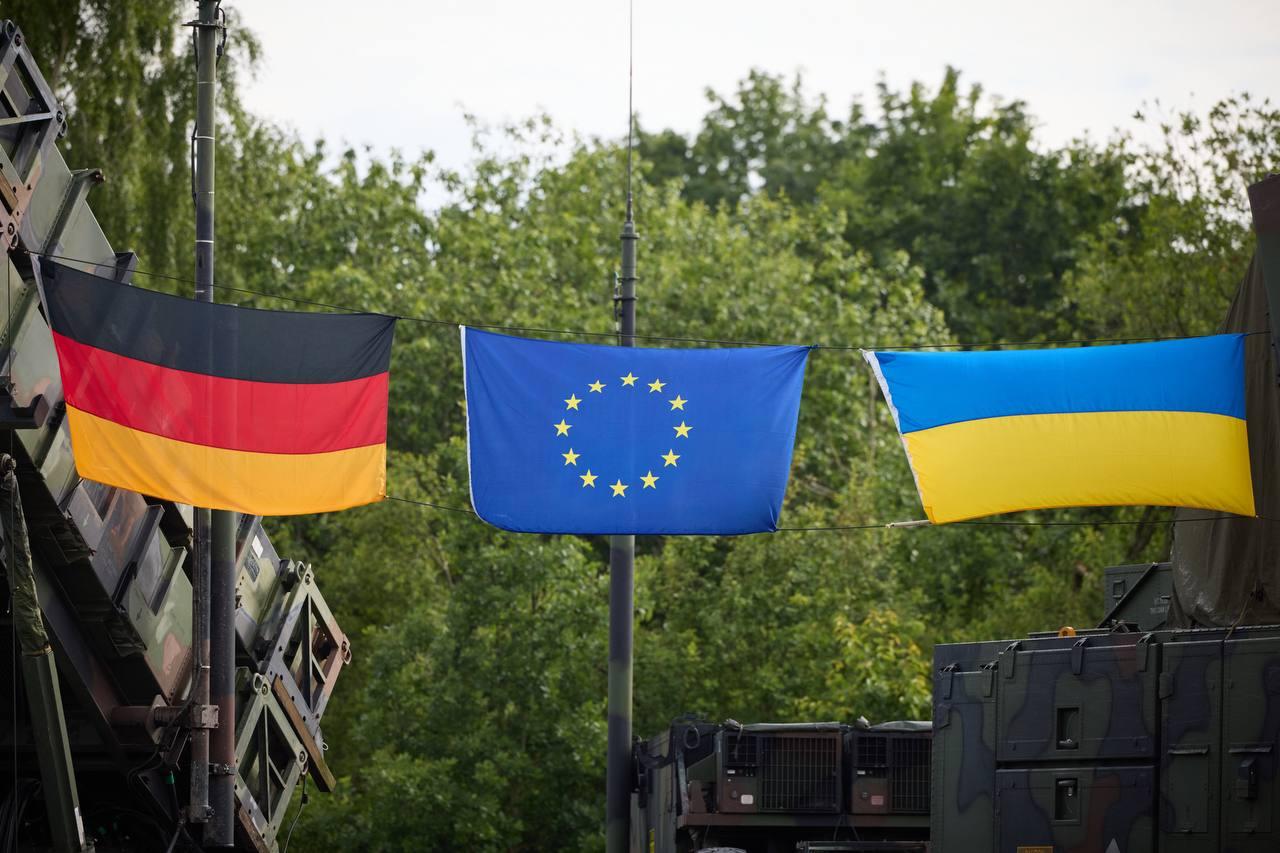
Kyiv has signed several new defense agreements with Berlin totaling 1.2 billion euros ($1.4 billion), Defense Minister Denys Shmyhal announced on Dec. 17, a day after the Ramstein-format meeting of the Ukraine Defense Contact Group (UDCG).
Under the new agreements, Germany will provide Ukraine with a "long-term" supply of spare parts for Patriot air defense systems currently in use in Ukraine.
"This will enable faster repair, modernization, and restoration of existing systems," Ukraine's Defense Ministry highlighted in a news release.
Amid an increase in the frequency and severity of Russian missile and drone attacks on Ukrainian cities, Kyiv has long called on Western allies to support its air defense capabilities.
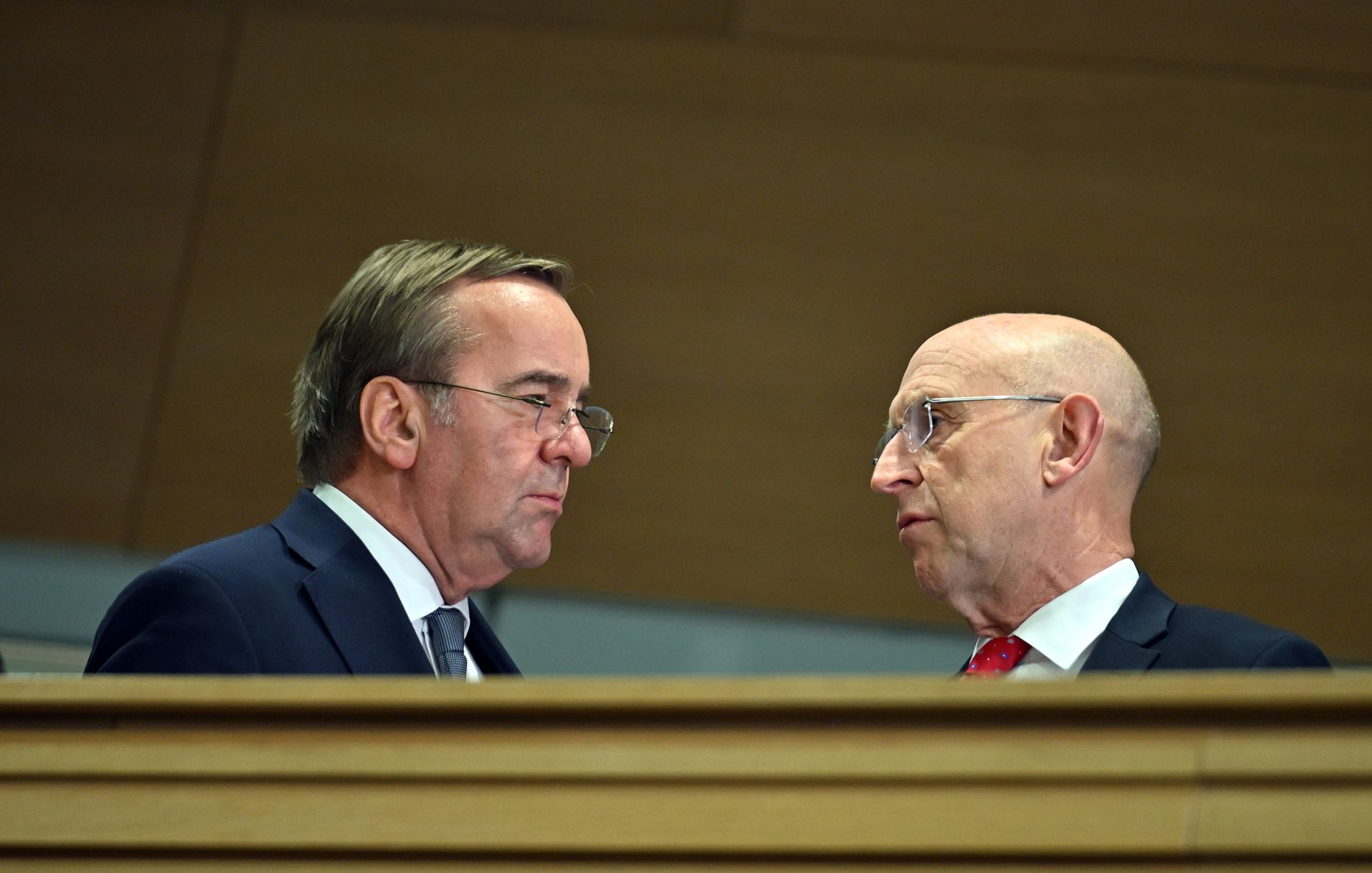
German Defense Minister Boris Pistorius confirmed on Dec. 17 that Berlin has delivered two previously pledged Patriot air defense systems to Ukraine earlier this year, as well as its ninth IRIS-T battery.
In addition to the commitments to Ukraine's air defense, Berlin will also assist in the procurement of Ukrainian-made drones, in a deal worth €200 million ($234 million) as well as the production of 200 Bohdana self-propelled howitzer systems mounted on top of the German-made Mercedes-Benz Zetros chassis.
The deal also includes the delivery off advanced electronic warfare systems as well as the co-production of reconnaissance drones between Quantum Systems, a Germany-based tech company, and Ukrainian firm Frontline Robotics — in a first of its kind foreign-based production of drones for Ukraine's military.
The full details of the agreements were not publicly released.
In addition to the new agreements, Pistorius announced earlier in the day that Germany would "transfer a significant number of AIM-9 Sidewinder missiles" to Ukraine next year. The Sidewinder is an air-to-air missile that can be used by helicopters and fighter jets; however, Ukraine has also been repurposing these munitions for use on ground-based platforms.
Last month, the Bundestag committed to allocate €11.5 billion ($13.4 billion) in aid to Ukraine for 2026 — softening the blow for Kyiv's current $61 billion budget gap in 2026 and 2027.
European allies have continued to increase aid funding to Ukraine amid a halt in the deliveries of financial aid from the administration of U.S. President Donald Trump.
European leaders will decide on Dec. 18–19 whether to proceed with a "reparations loan," a plan to lend up to 210 billion euros in frozen Russian assets to Ukraine. Without extra financing, Kyiv will run out of cash by spring next year.