Help us keep bringing the truth to light, even when Russia turns the lights out.

Shop and support
News Feed

Updated: Russian strike damages Naftogaz facilities in Poltava Oblast

• 2 min read
Updated: Russian strike damages Naftogaz facilities in Poltava Oblast
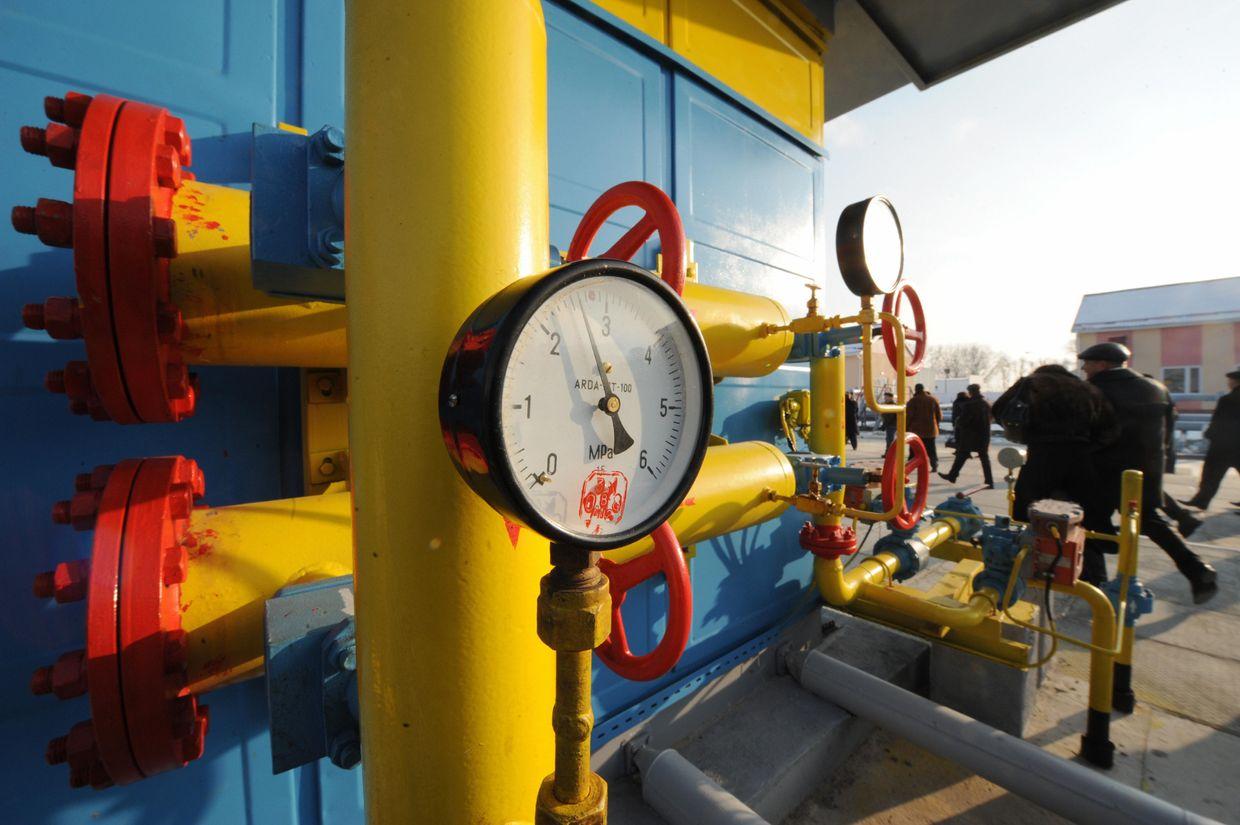
Illustrative purposes only: A picture showing Naftogaz workers leaving the Bobrovnytska gas-compressor and gas-holder station in Mryn, Chernihiv Oblast, about 130 kilometers from Kyiv on Dec. 16, 2008. (Sergei Supinsky/AFP via Getty Images)

Editor's note: This story has been updated with a comment from Naftogaz Group regarding damage to facilities in Poltava Oblast.

Russia launched an aerial strike against Ukraine's power grid overnight on Feb. 11, forcing the country's energy operator to implement emergency power outages, Energy Minister Herman Halushchenko said.

The attack, which included strikes on gas infrastructure overnight and continued into the morning, has further strained Ukraine's energy grid.

"At night, Russia attacked gas infrastructure. As of this morning, the energy sector is still under attack," Halushchenko said.

Russian forces launched a combined missile and drone attack overnight, targeting primarily Poltava Oblast, the Air Force reported. Production facilities of Naftogaz Group in the region were damaged, the state-owned oil and gas company said.

"We are grateful to all our colleagues who continue to produce, store, and supply gas to all categories of consumers in this extremely difficult time," said Roman Chumak, CEO of Naftogaz.

The full consequences of the attack are being determined.

The emergency shutdowns were lifted at around 10:50 a.m. local time, according to Ukrenergo, Ukraine's state energy operator.

Russia has repeatedly targeted Ukraine's energy infrastructure since the start of its full-scale invasion, aiming to disrupt power supplies and weaken civilian morale.

In September, President Volodymyr Zelensky said that Russian strikes had destroyed all of Ukraine's thermal power plants and most of its hydroelectric capacity.

Ukrainian authorities and energy companies have been working to repair and reinforce the grid ahead of expected renewed attacks.

Avatar
Tim Zadorozhnyy

Reporter

Tim Zadorozhnyy is a reporter at the Kyiv Independent covering foreign policy, U.S.-Ukraine relations, and political developments across Europe and Russia. He studied International Relations and European Studies at Lazarski University and Coventry University. Tim began his journalism career in Odesa in 2022 as a reporter for a local television channel. He later spent a year and a half at the Belarusian independent media outlet NEXTA, first as a news anchor and later as a managing editor. He is fluent in English, Ukrainian, and Russian.

Read more
News Feed
Video

In May 2026, Ukraine’s 3rd Army Corps launched a secret counteroffensive now known as Operation Vivaldi, aiming to strengthen Ukraine’s defensive positions in the Lyman and Sviatohirsk sectors and disrupt Russia’s plans to encircle Ukraine’s key strongholds – the cities of Sloviansk and Kramatorsk.

"Russia is building the military-industrial capacity to continue waging wars even after the war in Ukraine ends. These are not the actions of a country preparing for lasting peace," Oleksandr Danylyuk, chairman of the Center for Defense Reforms and former chief adviser to Ukraine’s defense minister, told the Kyiv Independent.

 (Updated:  )

For almost two years, student-led demonstrations in Serbia rallied against Vucic's right-wing incumbent Serbian Progressive Party. Protesting against alleged corruption in the government, the movement was triggered when a train station canopy in the city of Novi Sad collapsed in 2024, killing 16 people.

Show More