Turkey, Romania, Bulgaria start Black Sea demining operations to foster Ukraine exports
 on Google

Turkey, Romania and Bulgaria on July 1 started joint demining operations in the Black Sea in order to ensure safe grain shipments from Ukraine, Bloomberg reported.
Under the Turkish-led deal, the three countries will oversee efforts to clear mines that have been drifting in the Black Sea since the start of Russia's all-out war. Other NATO members are not involved in the initiative.
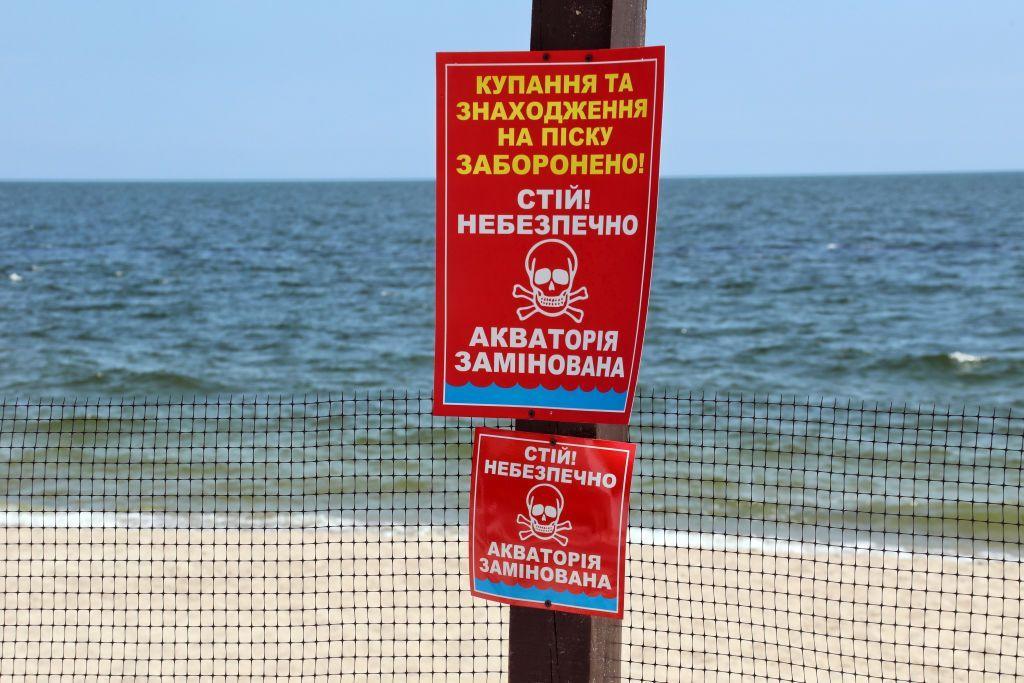
Hundreds of mines have been spread throughout the Black Sea since the beginning of Russia's full-scale invasion in February 2022. Several civilian and military ships belonging to countries not party to the war have struck sea mines since the beginning of the invasion.
Turkey, which brokered the Black Sea Grain Initiative in 2022, plays a major role in the demining agreement. A memorandum of understanding on demining in the Black Sea was signed in Istanbul on Jan. 11.
Kyiv was forced to set up a new export route in the Black Sea last year after Russia unilaterally terminated the Black Sea grain deal. Initially envisioned as a humanitarian corridor to allow the departure of ships stranded there since the start of the full-scale war, it has since grown into a full-blown trade route.
As of the end of June, Ukraine had exported 37.4 million tons of agricultural products through the new route, the Infrastructure Ministry said.