Trump threatened Europe over Strait of Hormuz, with weapons for Ukraine as bargaining chip, FT reports
 on Google
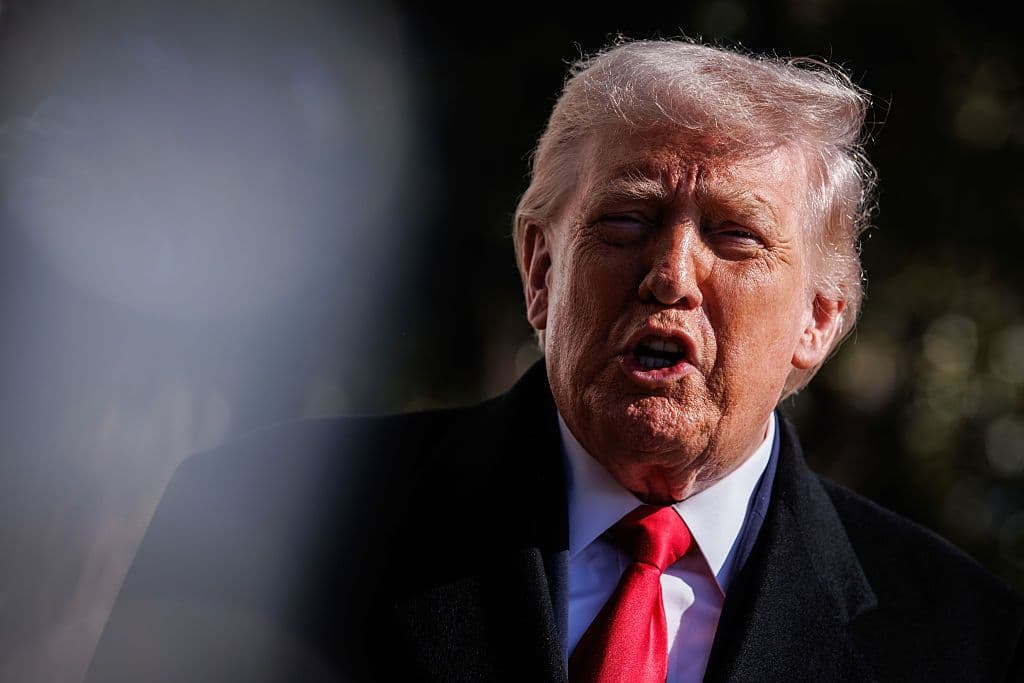
U.S. President Donald Trump threatened to stop supplying weapons to Ukraine unless European countries joined a U.S. military effor to open the Strait of Hormuz, the Financial Times (FT) reported on April 1, citing people familiar with the discussions.
The report comes a month into the U.S.-Israeli war against Iran, which has escalated across the Middle East. Following the attacks, Iran has shut down the Strait of Hormuz, a key waterway through which roughly one-fifth of the world's oil supply transits.
Trump sought help from NATO allies in reopening the strait as fuel prices surged worldwide, but European nations showed little interest in joining the U.S. war in Iran.
In response, Trump threatened to stop the Prioritized Ukraine Requirements List (PURL) program, whereby NATO nations buy U.S. arms for Ukraine, three sources told the FT.
NATO Secretary General Mark Rutte then on March 19 issued a joint statement, along with allies including France, the United Kingdom, and Germany, that read: "We express our readiness to contribute to appropriate efforts to ensure safe passage through the Strait (of Hormuz)."
Trump's threat to halt military aid to Ukraine was the impetus for the statement, one official told the FT.
"It was Rutte who insisted on the joint statement because Trump had threatened to withdraw from PURL and from Ukraine in general," the official said. "The statement was then quickly put together, and other countries joined in afterwards because there was not enough time to invite everyone to sign up straight away."
Another official described Trump as "rather hysterical" over Europe's refusal to monitor the Strait of Hormuz.
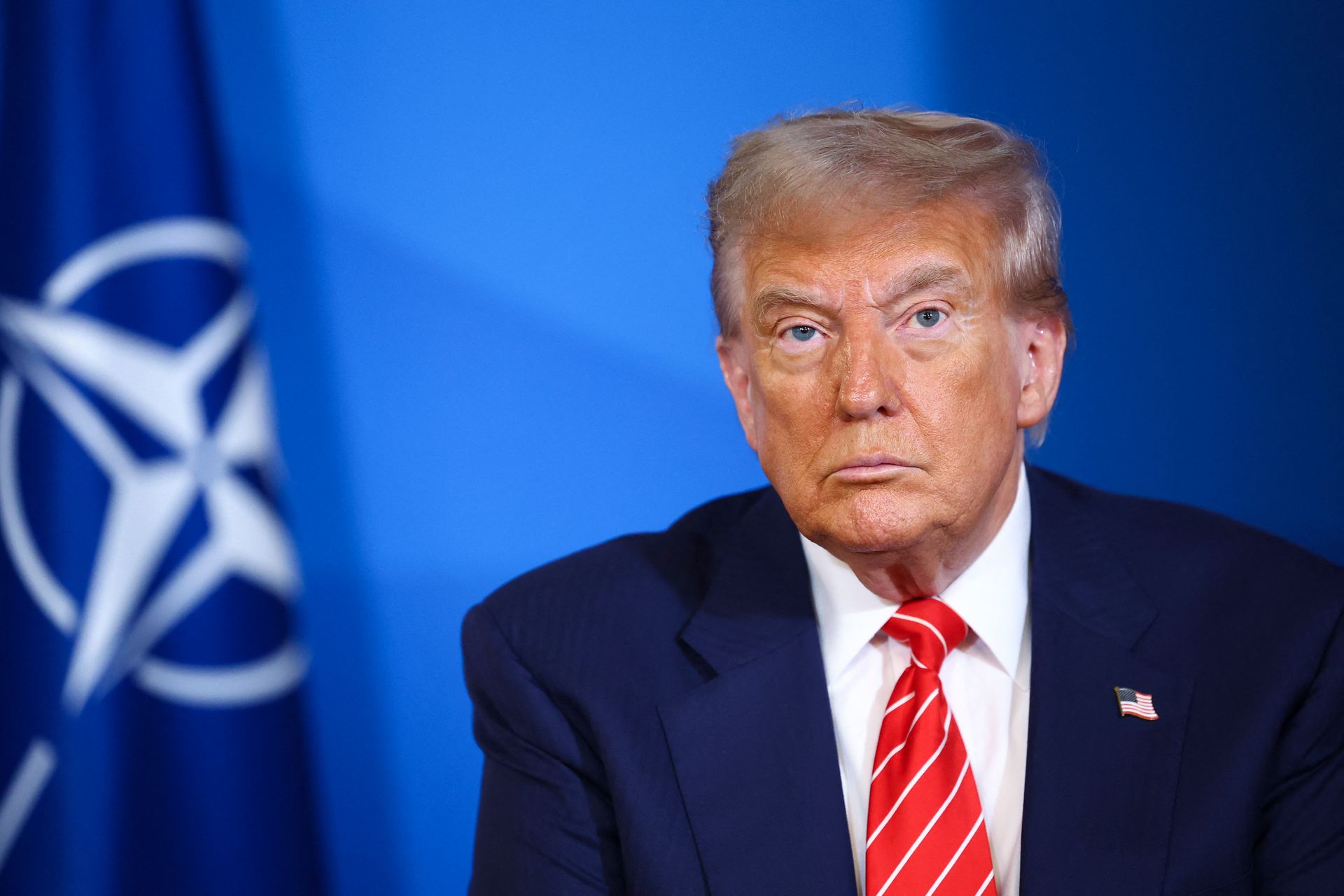
Trump has since escalated his anti-NATO rhetoric, saying on April 1 that he is is strongly considering pulling the U.S. from NATO.
"Ukraine wasn't our problem. It was a test, and we were there for them, and we would always have been there for them. They weren't there for us," Trump told the Telegraph.
Trump is expected to elaborate on his position on the U.S. role in NATO during an address later this evening.
"President Trump has made his disappointment with NATO and other allies clear, and as the President emphasized, 'the United States will remember,'" Deputy White House Press Secretary Anna Kelly said in a statement to multiple media outlets, including the Kyiv Independent, on April 1.
The U.S. war against Iran has sparked alarm in Ukraine over the flow of American-made weapons, particularly critical air defense interceptor missiles needed to fend off Russia's mass drone attacks. In March, several media outlets reported that the Pentagon wass considering redirecting military aid intended for Ukraine to the Middle East.
The U.S. later reassured Ukraine that none of the military aid committed to Kyiv was redirected elsewhere, including to the Middle East, Ukrainian Foreign Minister Andrii Sybiha said on March 29. The minister's comments came after the G7 Foreign Ministers' Summit in France, where U.S. Secretary of State Marco Rubio gave the reassurance in person.
Rubio and Rutte held multiple calls in the days before the joint statement on the Strait of Hormuz was published, the FT reported.
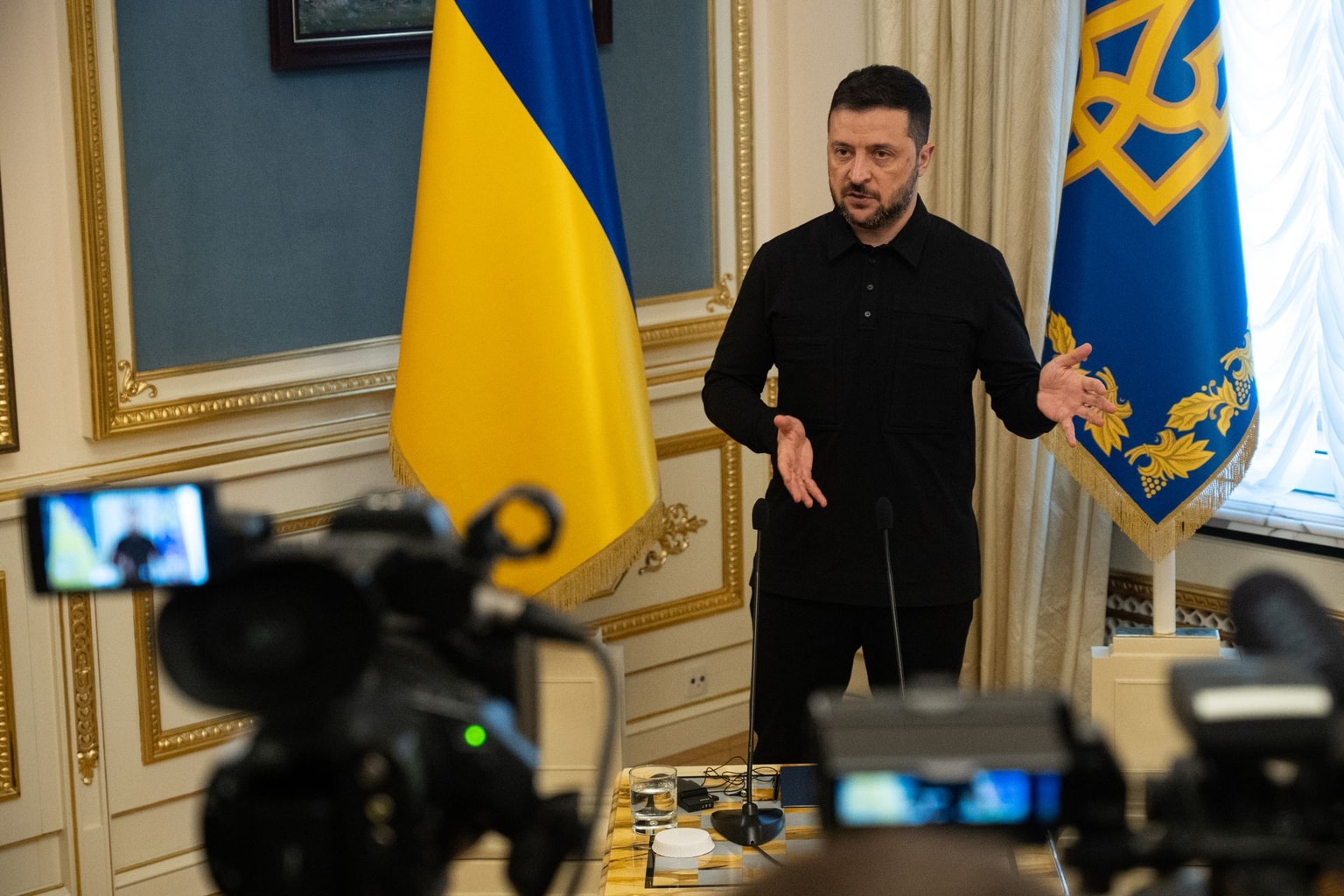
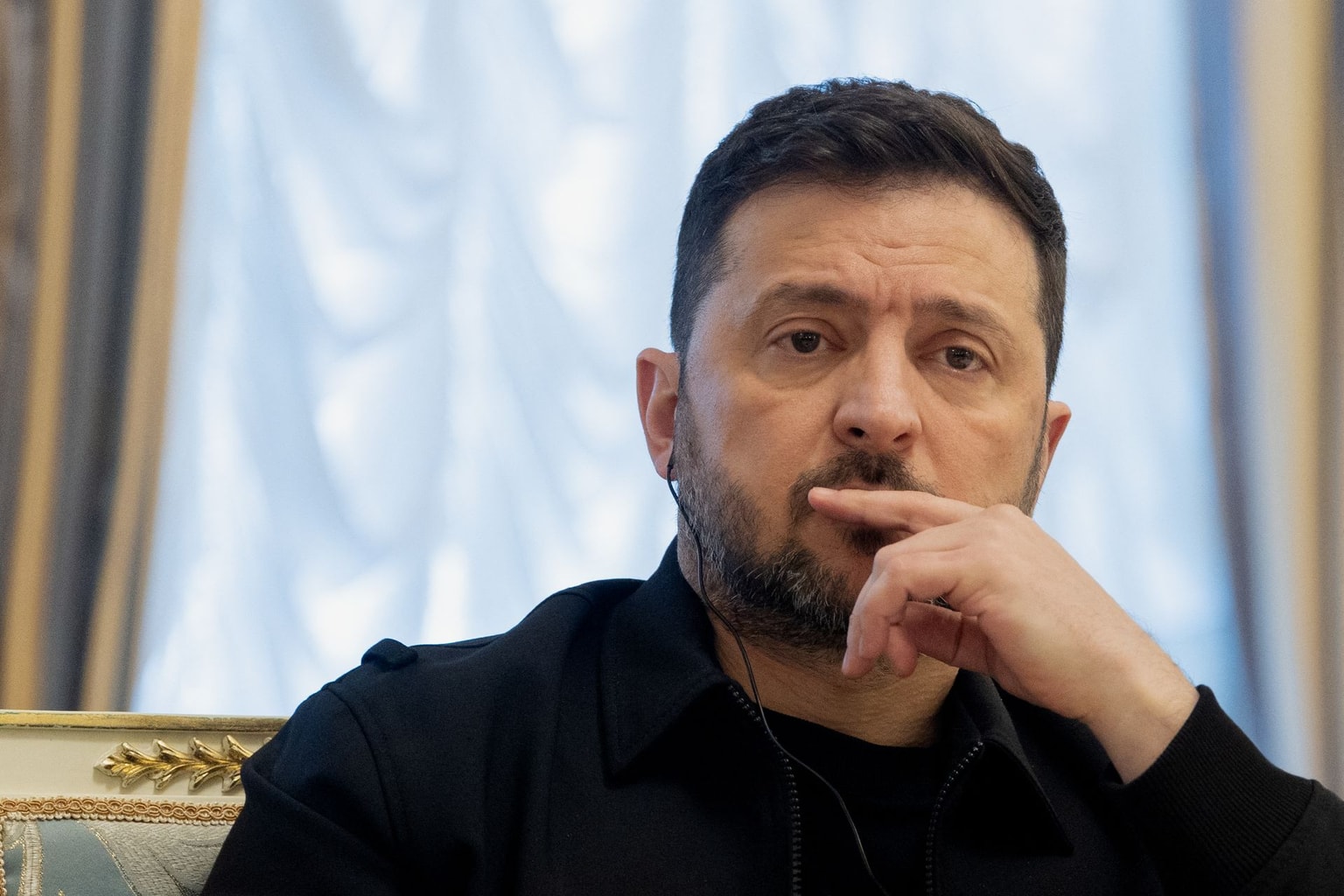
Ukraine has also said it will help unblock the Strait of Hormuz, with President Volodymyr Zelensky telling reporters on March 30 that Kyiv will supply weapons and defense technology for this purpose as part of new defense agreements with Gulf nations.
Signed by the U.S. and NATO in July, the PURL agreement lays out a mechanism for NATO member states and partners to purchase high-priority equipment for Ukraine. Twenty-four countries, including two non-NATO member states, Australia and New Zealand, have so far joined the initiative.