Trump extends Ukraine-related national emergency, certain US sanctions against Russia for another year
 on Google
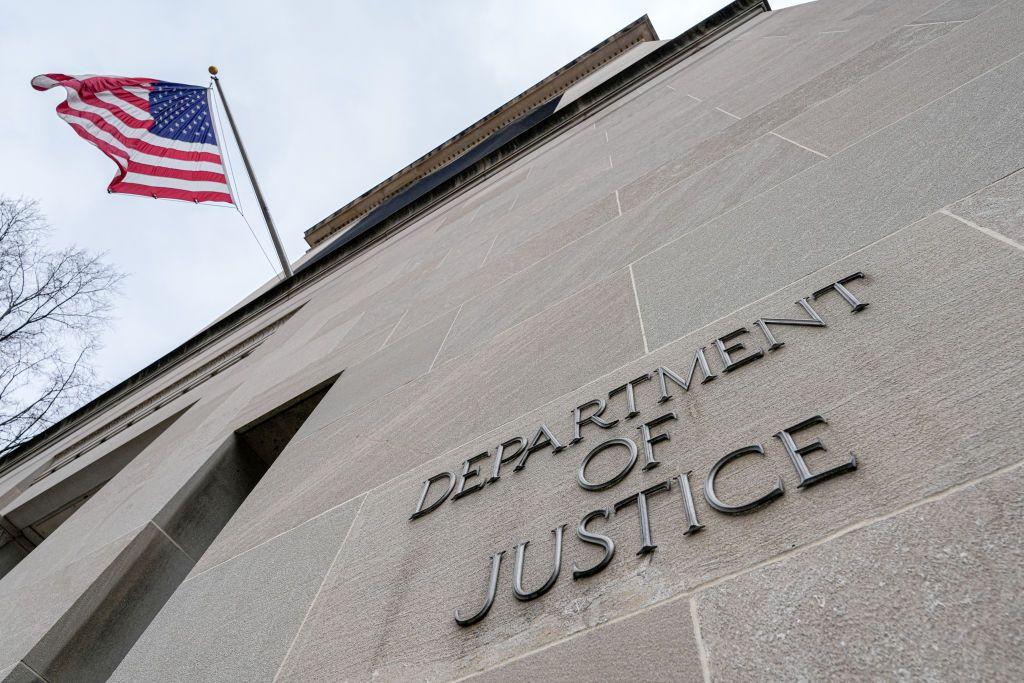
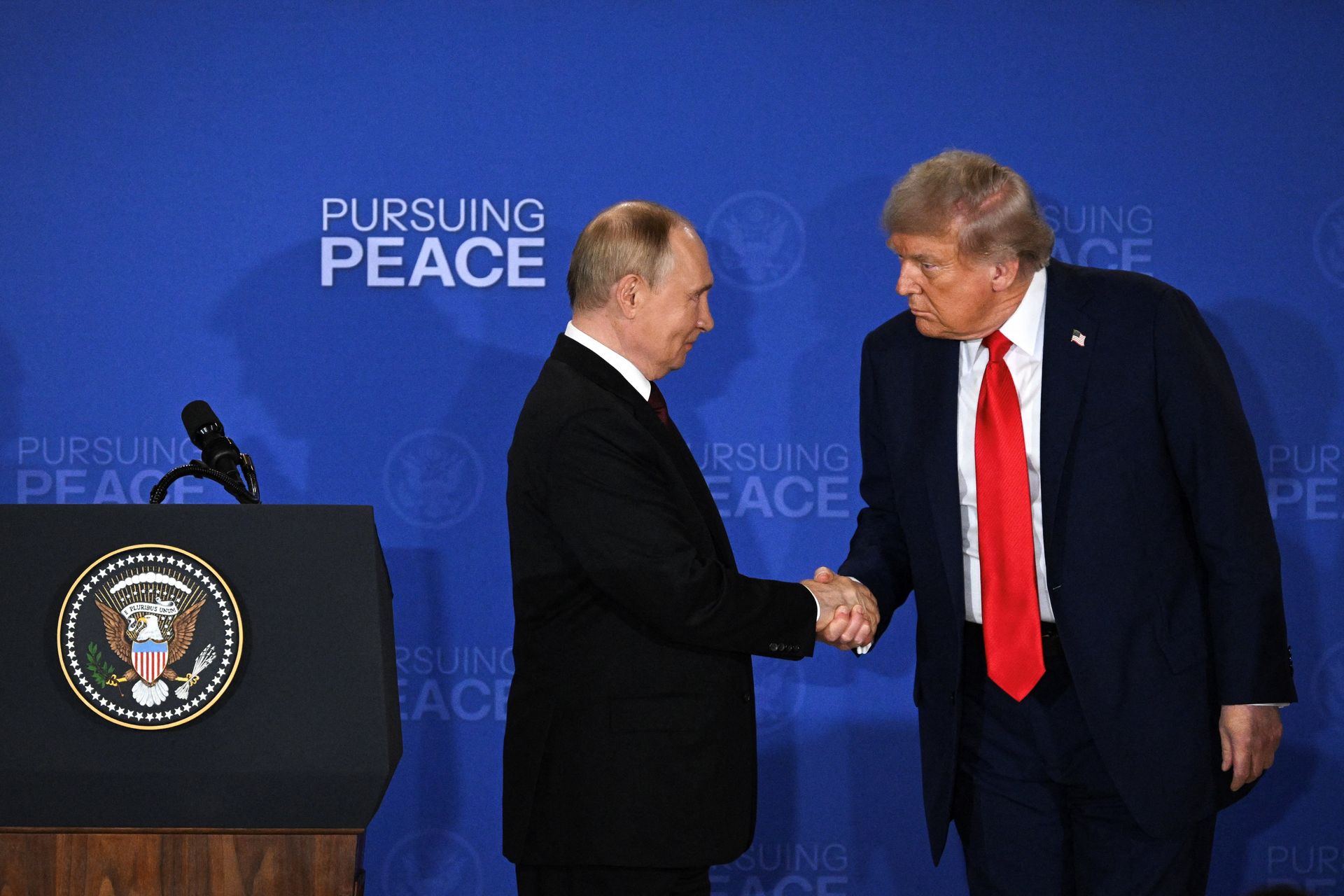
U.S. President Donald Trump on Feb. 19 approved a one-year extension of the national emergency and related sanctions first introduced following Russia’s 2014 occupation of Crimea.
The decree continues measures first introduced in 2014 and later expanded in 2018 and 2022, including asset freezes and restrictions targeting individuals linked to Russia’s occupation of Crimea.
The document states that Russia’s actions “continue to pose an unusual and extraordinary threat to the national security and foreign policy of the United States,” justifying the extension of the national emergency first declared under Executive Order 13660.
Trump’s order maintains the national emergency framework established under Executive Order 13660, noting that the measures “must continue in effect beyond March 6, 2026.”
The restrictions have been updated multiple times in recent years, including during former President Joe Biden’s administration, as Washington responded to Russia’s full-scale invasion in Ukraine.
The extension comes amid renewed discussion in Washington and Moscow over the future of sanctions tied to negotiations on ending Russia’s war against Ukraine.
On Feb. 18, Kremlin economic negotiator Kirill Dmitriev claimed that lifting restrictions could unlock joint U.S.-Russia projects worth more than $14 trillion, arguing that sanctions have cost U.S. businesses more than $300 billion.
Moscow has reportedly floated large-scale economic cooperation proposals to Washington in exchange for sanctions relief, though U.S. officials have not confirmed the existence of any such agreement.