Top 5 Ukrainian deep strikes inside Russia in May — and how they're making Russians doubt Putin
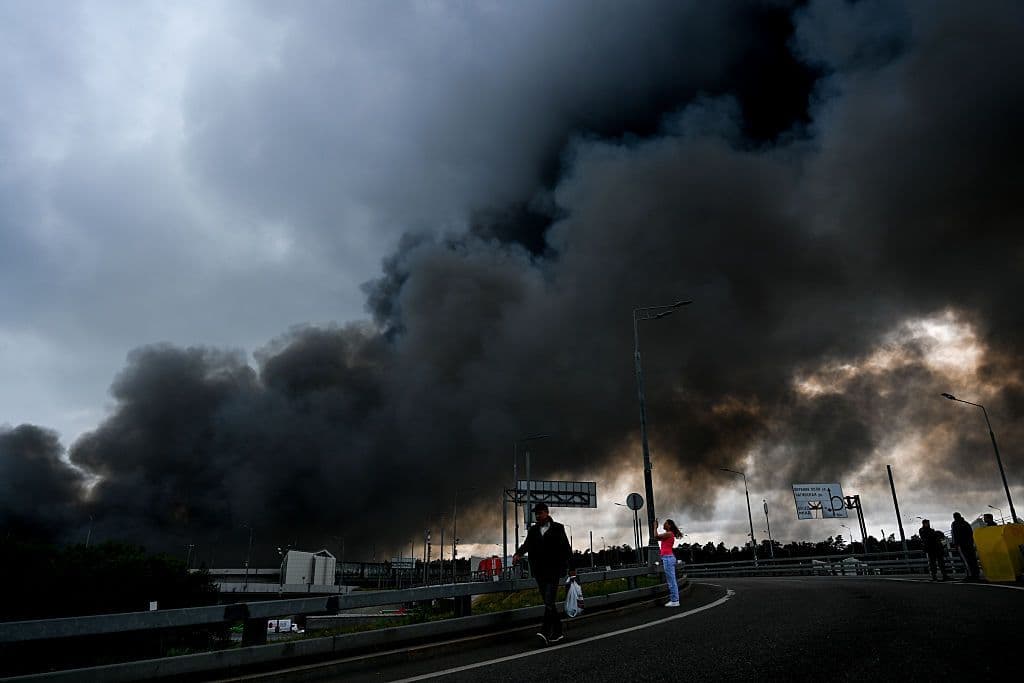
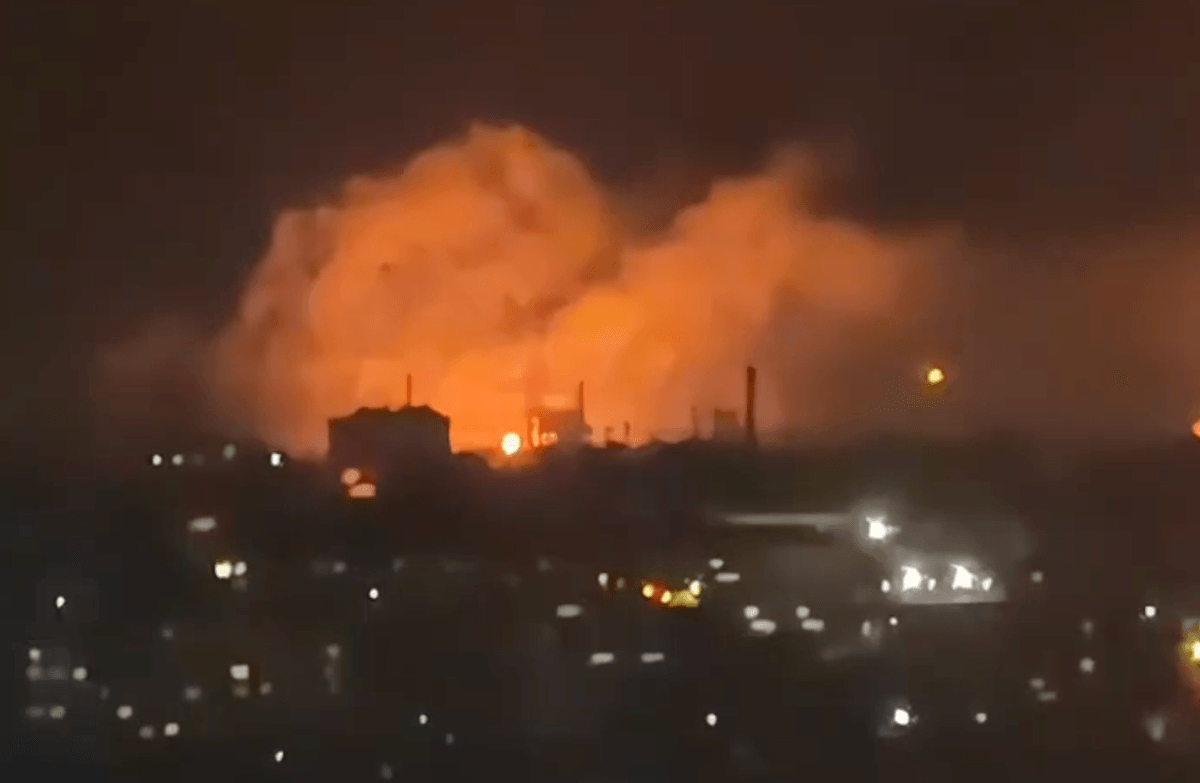
Black smoke rises from the refinery where a fire broke out following a strike as firefighting efforts continue in Moscow, Russia, on June 18, 2026. (Sefa Karacan/Anadolu via Getty Images)
 on Google
Liubov Tsybulska
Director of Join Ukraine
At the end of May, a Volgograd Telegram channel published an unusual announcement: local "mobile fire groups" tasked with shooting down Ukrainian drones were asking residents to chip in for radios, laser pointers, and camouflage nets.
They needed 151,400 rubles, a little over 2,000 dollars. Over several days, they collected 13,300 rubles. The state, which had promised its citizens that the war would never touch them, was asking them to fund their own air defense themselves, and the Russians "chip in" reluctantly.
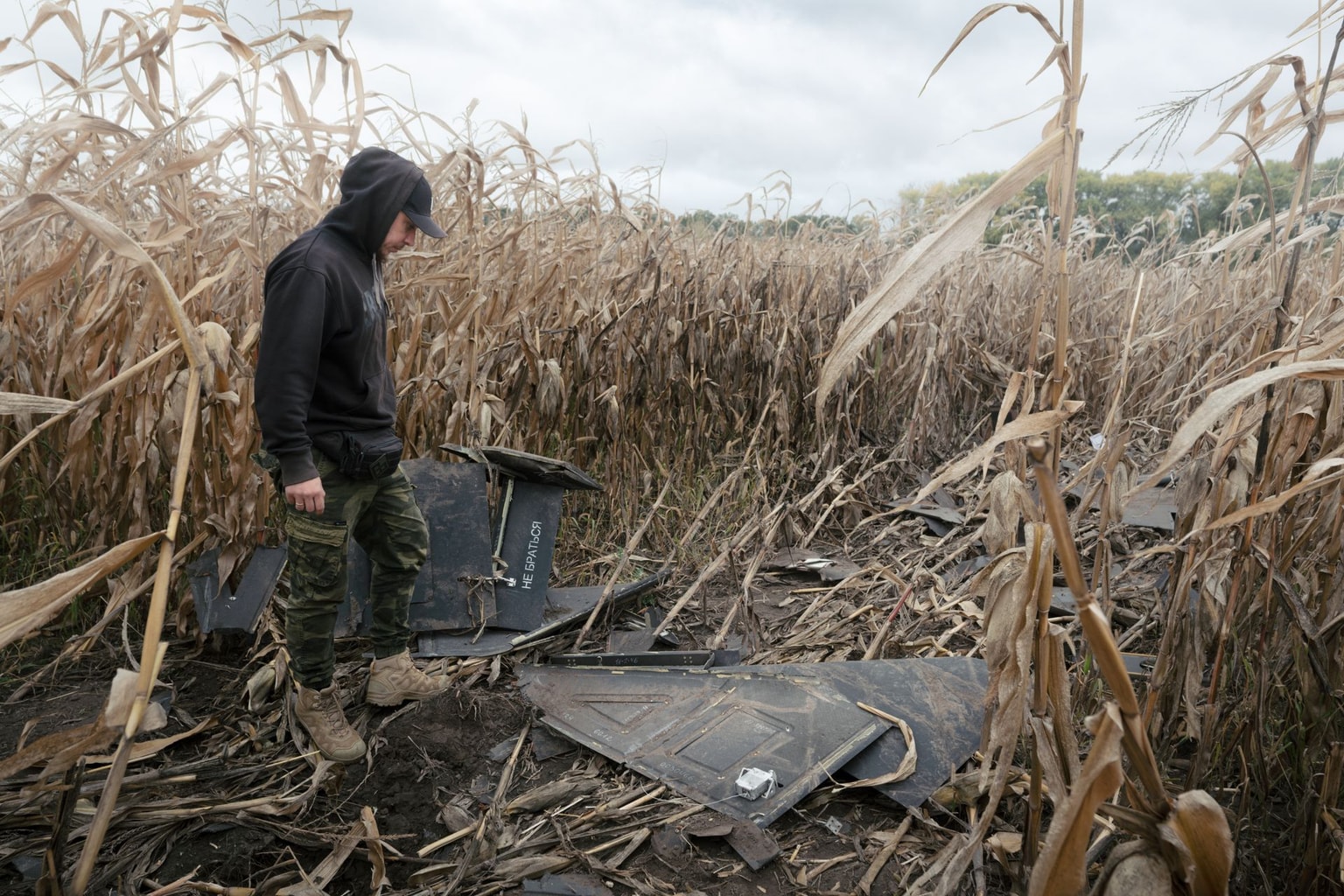
This episode is a miniature of what was unfolding across the Russian heartland throughout May 2026, when Ukrainian long-range drones waged the most intense campaign against Russian oil refining of the entire war.
In May alone, Ukraine carried out 16 strikes on Russian oil refineries — a monthly record since the start of the full-scale war, Bloomberg calculated.
Five episodes we want to examine in more detail. On May 8, drones reached Lukoil-Permnefteorgsintez for the third time in two weeks — one of Russia's largest oil refineries, more than 1,500 kilometers from the Ukrainian border. After a series of hits, the plant shut down.
On May 17, drones struck Moscow and its outskirts: according to Mayor Sergei Sobyanin, the attack involved more than 120 drones — a record single-day figure for the capital in open reports; the Moscow oil refinery in Kapotnya, after the attack, suspended refining.
On May 18 and 20, twice in one week, the oil refinery in Kstovo near Nizhny Novgorod was hit — the fourth-largest in Russia and the second-largest by gasoline output; the unit that provides more than half of its capacity shut down.
Got an opinion on anything you've read in the Kyiv Independent so far?
and it may appear in our Letters section.

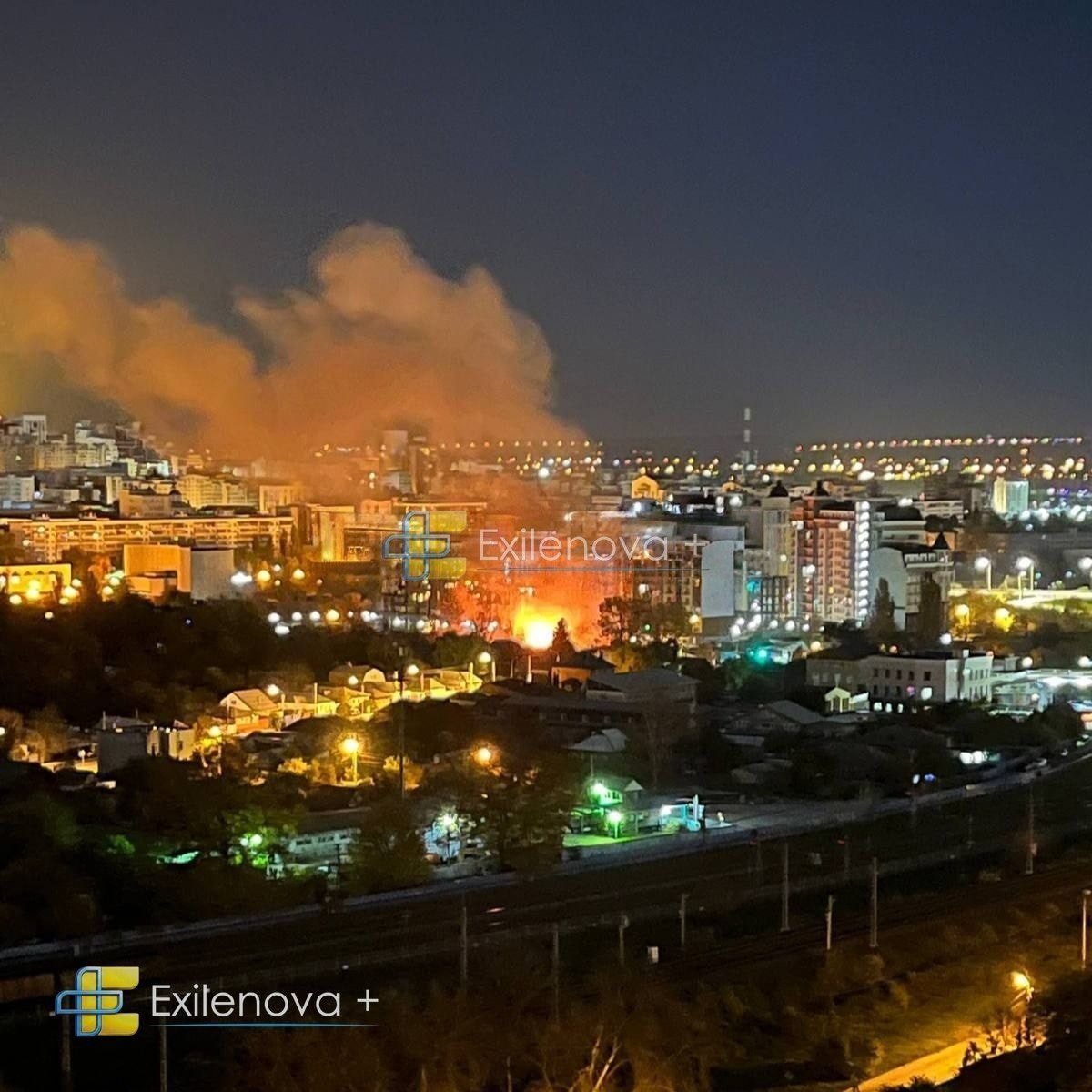
On May 27, the Tuapse oil refinery on the Black Sea was ablaze; on the 29th, the Volgograd oil refinery.
The cumulative effect is no longer episodic: as early as the third week of May, by the estimates of Reuters and RBC-Ukraine, oil refineries with a combined capacity of more than 83 million tons per year — almost a quarter of Russia's oil refining — had fully halted or sharply cut output; these plants accounted for over 30% of gasoline production and about 25% of diesel.
According to Bloomberg, as relayed by RBC-Ukraine, the exchange supply of AI-95 gasoline in European Russia fell to a third of last year's level, wholesale prices rose by more than 20%, and the government banned the export of aviation fuel and most grades of gasoline. The shortages and disruptions, which in early June were recorded in 15 regions, in less than a week had already spread to 25. Lines and rationing at gas stations reached Moscow.
We analyzed more than a thousand posts mentioning these and other drone or missile strikes from around 140 regional Russian Telegram channels across 35 regions — local news and "emergency" public channels that, for most residents of the Russian provinces, have replaced television as a source of breaking news — in the days around each of the five strikes, together with readers' reactions and comments.

This is the visible, measurable layer. But there is another: what these strikes are doing to Russian society. And here there is data that is usually missing.
The first conclusion: these strikes anger and irritate Russians and stir a sense of unease. But a six-year-old could reach that conclusion too.
The second, more important conclusion: Russians' anger is directed not only, and not even primarily, at Ukraine, but inward, at their own state.
The densest theme in the comments is mockery of the air defenses: "So where are the sirens?", "Are these air-defense forces in the room with us right now?", "They supposedly shot down the drones, but somehow Lukoil is on fire."
Next come grievances against the authorities: "The Kremlin has a bomb shelter, but what are we mere mortals supposed to do?" Demands to "hit back hard" are present in the comments, but they are a distinct minority — and a sizable part of them is actually mocking the state's impotence: "They promised to burn Kyiv to the ground on May 14 — I'm still waiting."
The third theme is fatigue. "This has been dragging on for a fifth year now, with no end in sight. Who has it gotten better for? Nothing but questions and no answers. And on top of that, you can be jailed just for asking — even liking posts is scary now," writes a reader of a Moscow public channel.
This echoes sociological data: according to a May poll by the Levada Center, 6 in 10 Russians believe it is time to move to peace negotiations. That share has declined from its peak, but the long-term trend shows noticeable fatigue accumulation.
An honest caveat is needed here. Comments on Telegram are not representative of sociology, and that same Levada "pro-negotiations" majority still demands peace on Russian terms. A loyalist pole is present in the comments as well.
The Russian state is responding with censorship. Perhaps the most telling Kremlin reaction to the May campaign is an informational one. The governor of Volgograd Oblast issued a decree banning the publication of any unofficial information about drones; local channels were forced to post reminders about the ban — and that itself became the news.
After the strike on Moscow, federal TV channels were advised to "minimally cover" the aftermath. During raids, mobile internet is switched off in the regions, and people who cannot reach their relatives during an alert read about the attack "first from foreign sources, like in Soviet times," as one commenter wryly noted.
The paradox is that censorship does not extinguish anxiety but feeds it: when the official line is "the plant is operating normally" while a glow lights up the sky outside the window, distrust of the state only grows.
The image Russia sells to the world is that of a fortress country that cannot be reached or stopped, one that can wage war indefinitely.
May 2026 undermines that image from two sides at once. Physically, Ukrainian drones systematically reach targets a thousand or more kilometers away, and Russia, despite four years of war, is unable to shield its own oil refining.
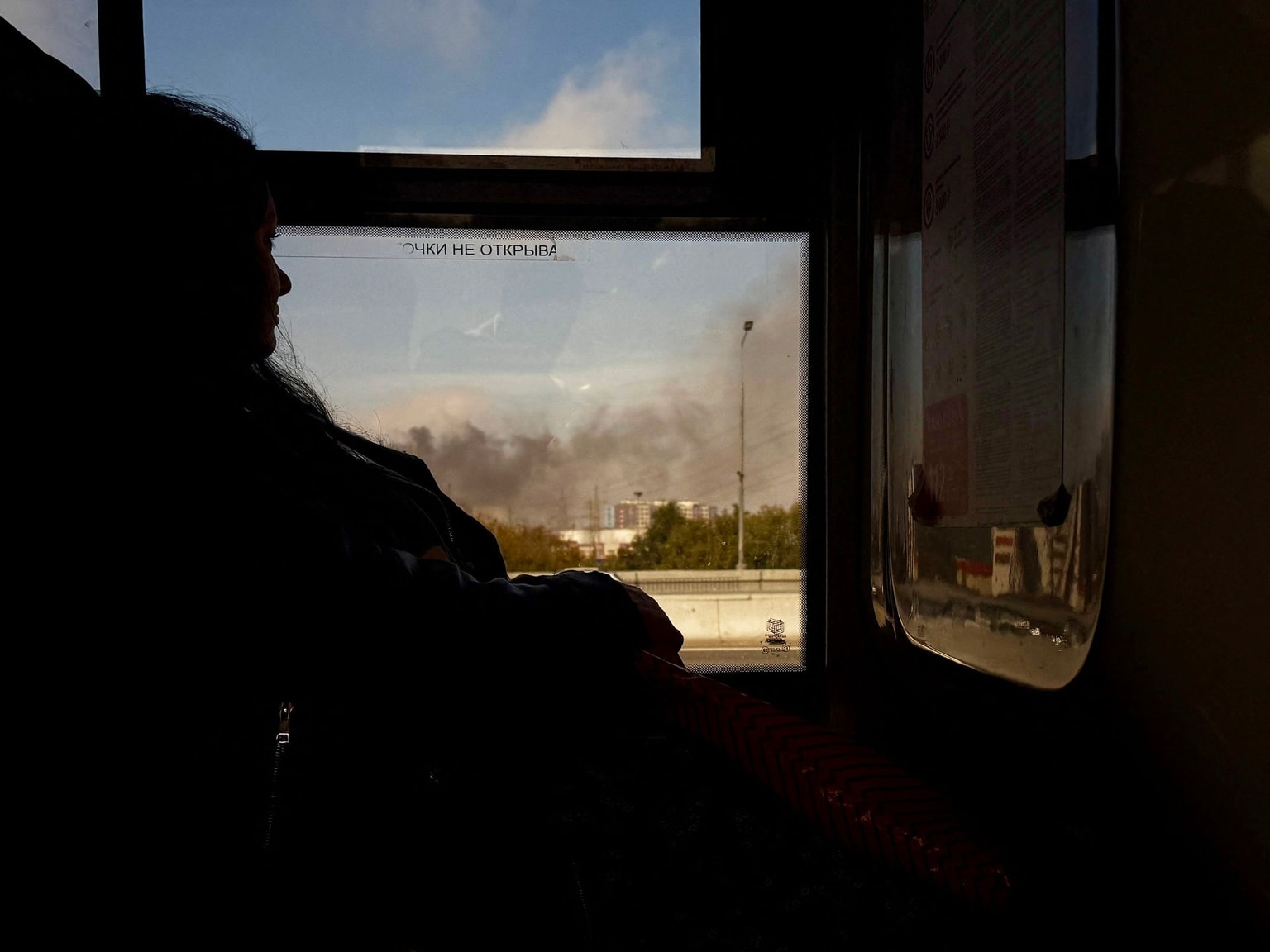
Psychologically, for millions of Russians in Perm, Kstovo, and Volgograd, the war has for the first time ceased to be a picture on the TV — it has become a siren (or its absence), a closed airport, a child on remote schooling, a line at the gas station.
There is no need to overstate it: these strikes alone will not change the regime or stop the war. But they are methodically doing what neither sanctions nor front-line dispatches achieved: shifting the cost of the war inside Russia — into its economy, its cities, and, most importantly, into the minds of its citizens.
For decades, Russian propaganda taught that the state is strong and that war is something that happens to others. Now, a Tuapse resident stages a solo picket because no one has repaired her drone-wrecked home for half a year, while Volgograd residents ignore the fundraiser for air defense.
Editor's note: The opinions expressed in the op-ed section are those of the authors and do not purport to reflect the views of the Kyiv Independent.