Eastern Europe

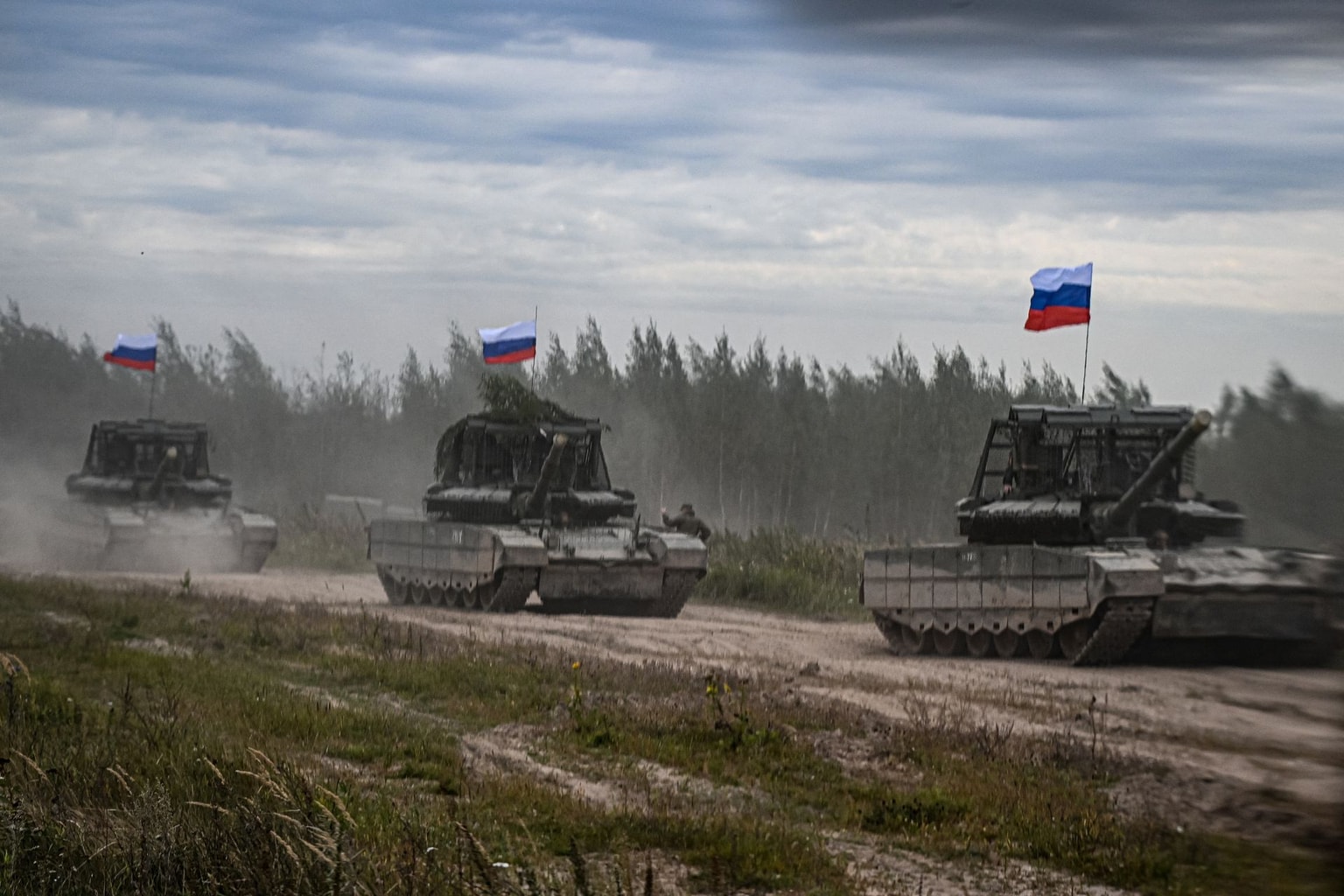
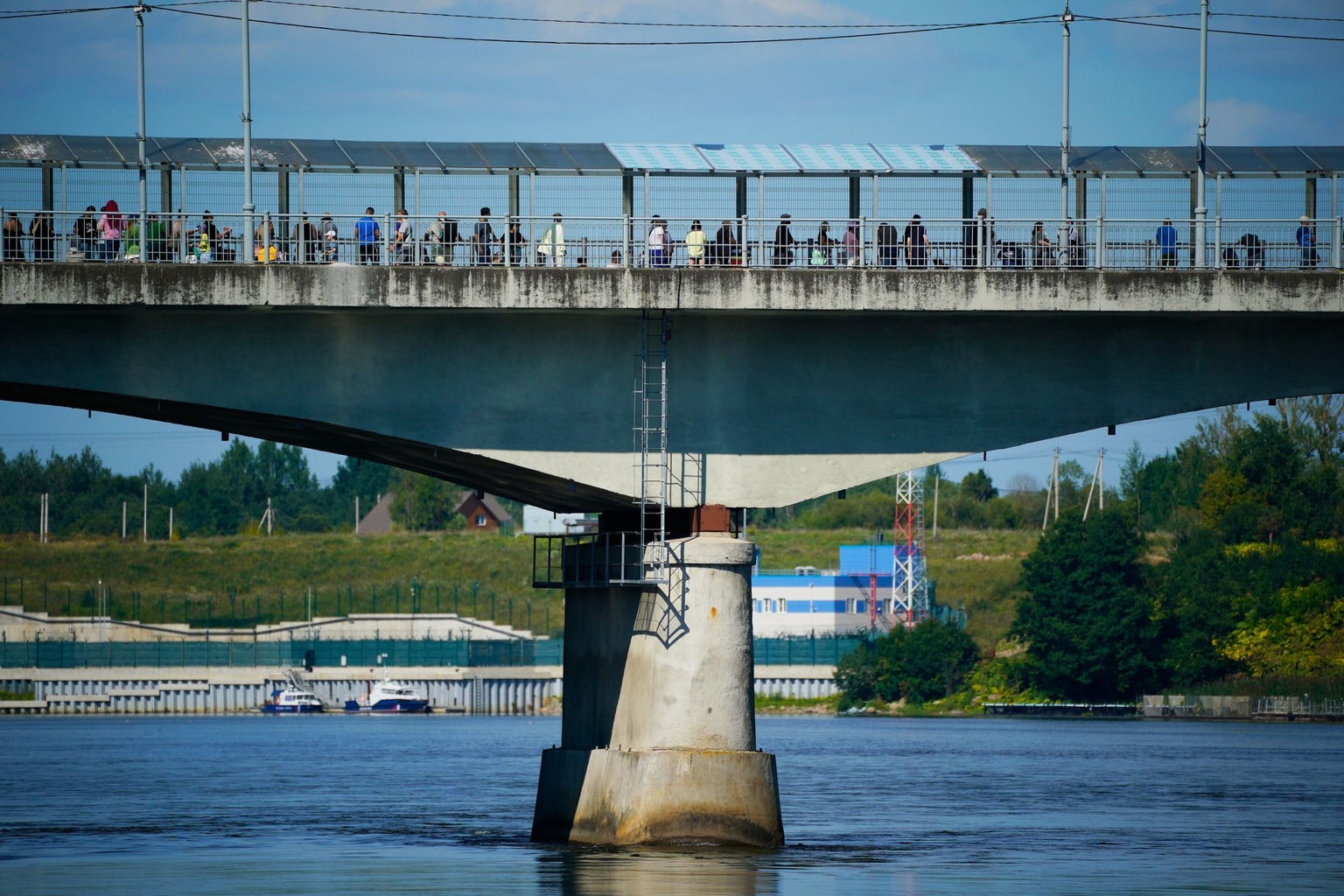
The bridge connecting Estonia with Russia is seen in Narva, Estonia, on July 24, 2024.
Eastern Europe

In Estonia’s border town, Russian-speaking majority enjoys NATO’s shield, remains mute on Russia’s threat

by Maria Yeryoma

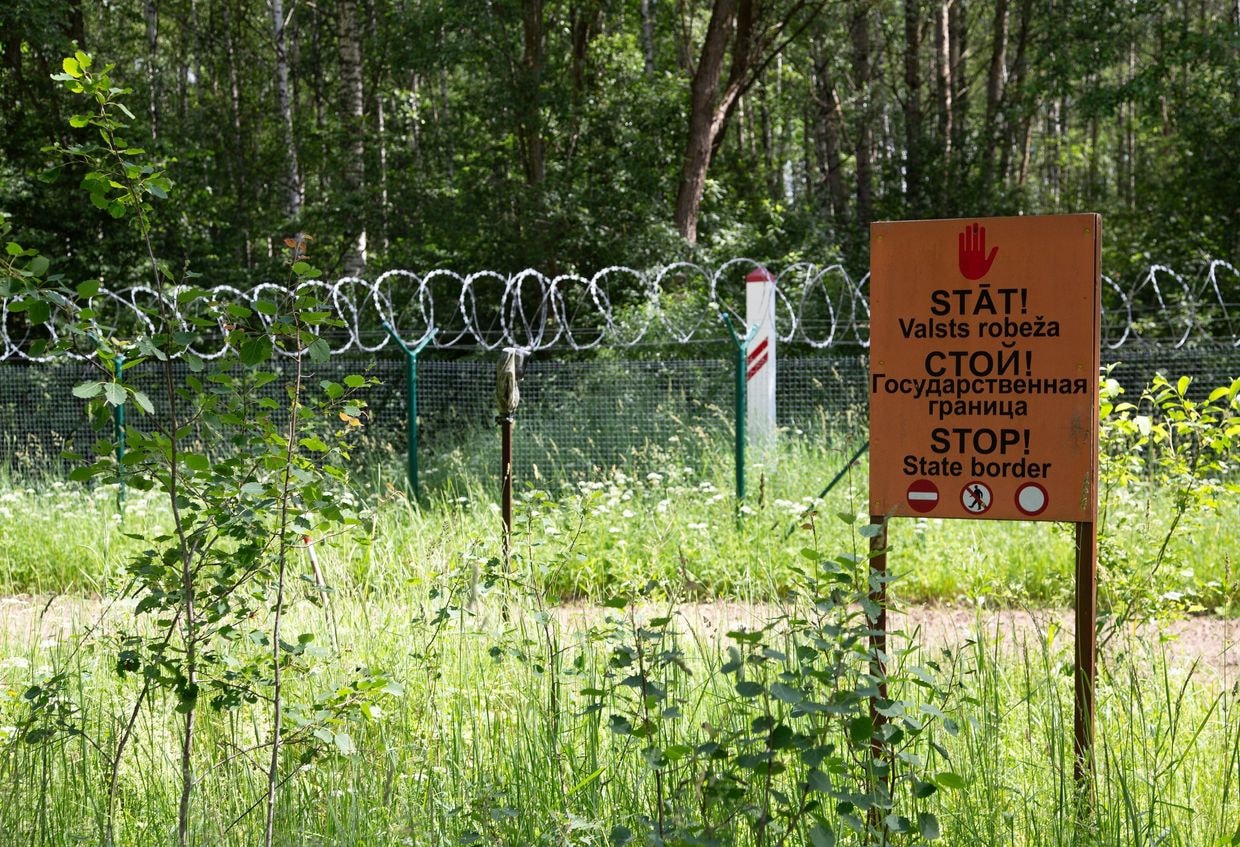
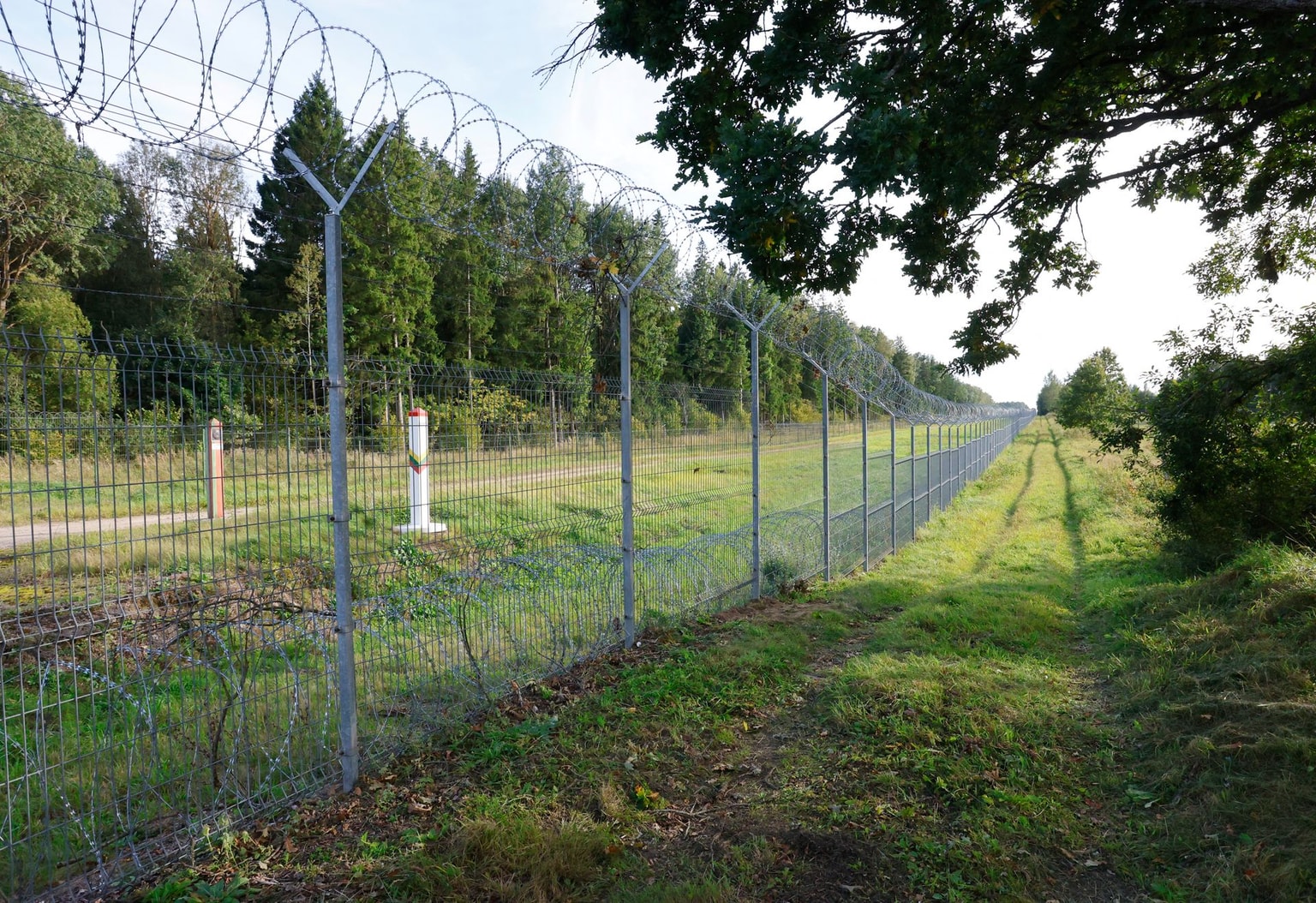
NARVA, Estonia — On both sides of the Narva River, fishermen stand knee-deep in the water between two medieval castles just 101 meters apart. Above them, the flags mark where NATO ends and Russia begins. For years, experts have been warning of the so-called "Narva scenario" — a plan in which Russia might attempt to grab an Estonian border city using its old tune, "protecting the Russian-speaking population." Following Europe's inability to handle Russia's now recurring drone incursions, the mo
News Feed

No shortcuts for Ukraine's EU accession, Dutch FM says. Reforms key to progress

Two points remain high on Ukraine's agenda: surviving the Russian onslaught and joining the European Union. President Volodymyr Zelensky believes the two should be tied together, with his office proposing to engrave a set date for Ukraine's EU membership in a potential peace deal with Russia. Tom Berendsen, the new Dutch foreign minister, disagrees with this approach. "If you set a date, you need to make sure that you get (everything done before) the date. It needs to be a realistic date," Be

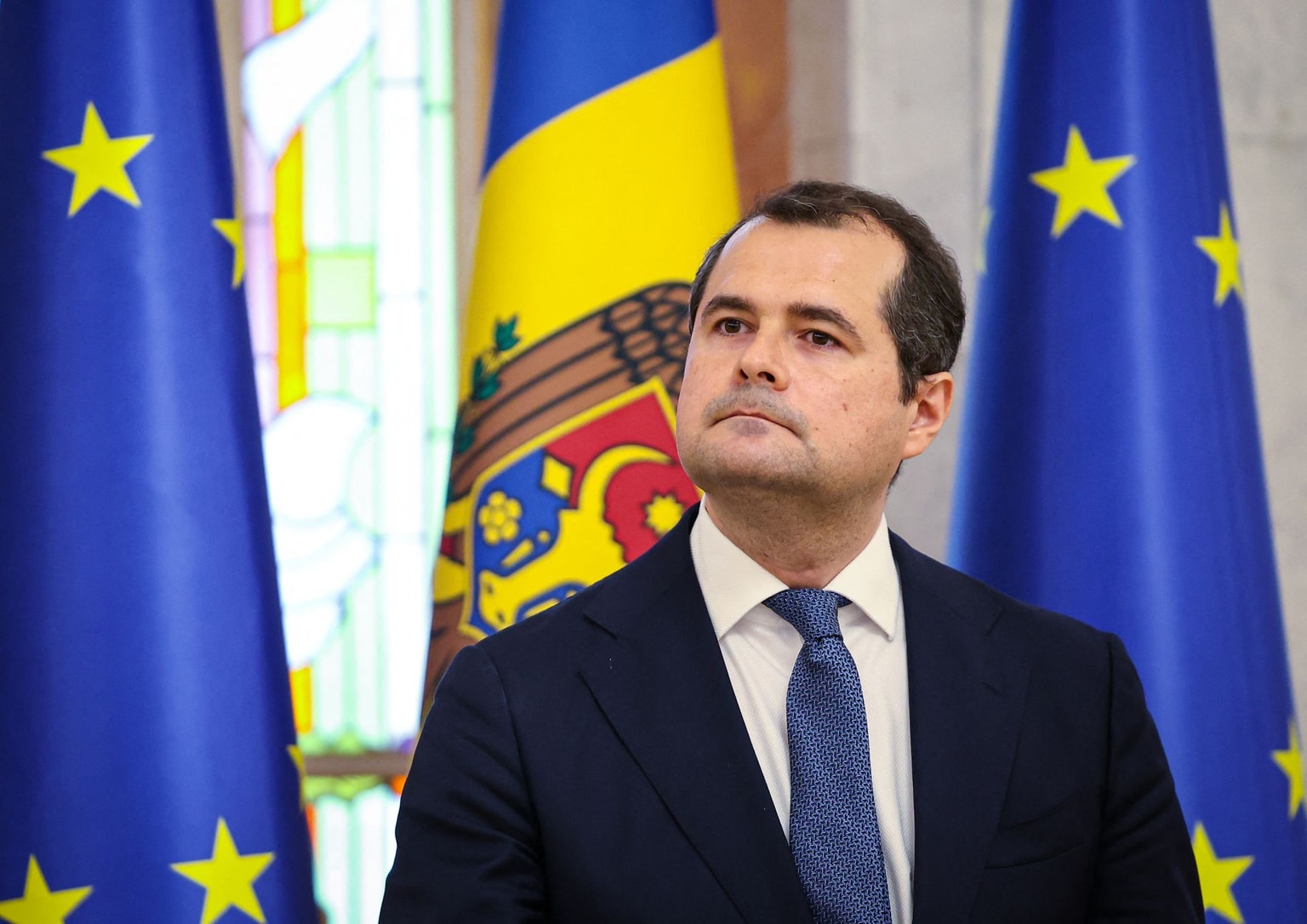
Minister of Foreign Affairs of the Netherlands Berendsen with Foreign Minister Sybiha in Kyiv, Ukraine on Feb. 28, 2026.

Europe is rediscovering the bomb

Caught between bellicose Russia and an unsteady U.S., Paris is expanding its nuclear arsenal and moving to strengthen European deterrence. The EU's only nuclear power announced on March 2 that it would increase the number of its warheads from roughly 290 to undisclosed levels — the first such move since 1992. France is also signalling its new nuclear "forward deterrence" could extend to European allies, while inviting them to joint nuclear exercises. Francois Heisbourg, a security expert at t

France’s President Emmanuel Macron in Crozon, France, on March 2, 2026.

Most Popular

1.

As markets opened on March 2, Russian officials were quick to frame the escalating Middle East crisis as an economic opportunity for the Kremlin. Within hours of the first U.S. and Israeli strikes, Russian Envoy Kirill Dmitriev quickly posted on X about crude potentially hitting "$100+" per barrel. Brent crude futures on the London ICE exchange initially had risen 13.04%, peaking at $82.37 per barrel — the highest level in over a year. Prices later eased to $79.38. The spike followed Iran's M

News Feed