Russian propagandist Simonyan charged in absentia for promoting genocide
 on Google

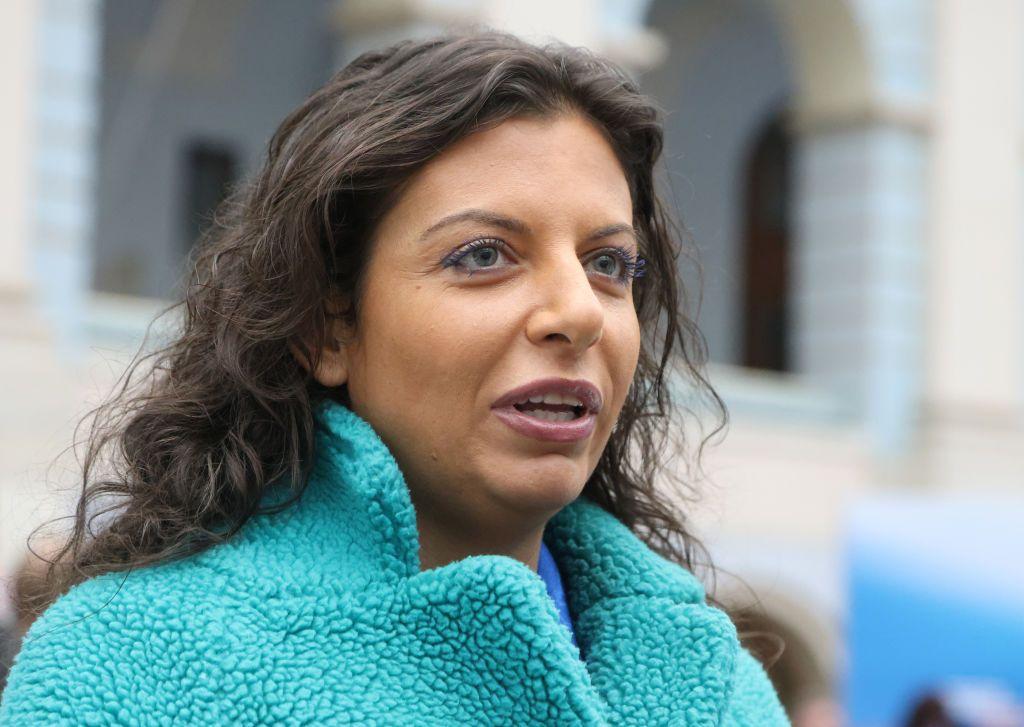
The Security Service of Ukraine (SBU) announced on April 1 that Russian propagandist Margarita Simonyan had been charged in absentia with promoting genocide and other crimes against Ukraine.
Simonyan is the head of RT, formerly known as Russia Today, a Russian state-owned media outlet seen as one of the key outlets of Russian propaganda worldwide.
On public television appearances since the full-scale invasion, Simonyan has made countless inflammatory statements about the need for an escalation of Russia's war, including into an international nuclear exchange.
The SBU also said that Simonyan publicly called for the murder of Ukrainian children in December 2023, among other comments with genocidal intent.
As a result, Simonyan was charged with promoting genocide, spreading war propaganda, justifying Russia's full-scale war, and encouraging the unlawful violation of Ukraine's territorial integrity. She was previously charged in March 2023 for the latter offense.
As Simonyan lives in Russia, she was charged in absentia. It is unlikely that she will be brought to justice in Ukraine under the current regime of Russian President Vladimir Putin.