Russia would accept security guarantees for Ukraine, Budanov says
 on Google
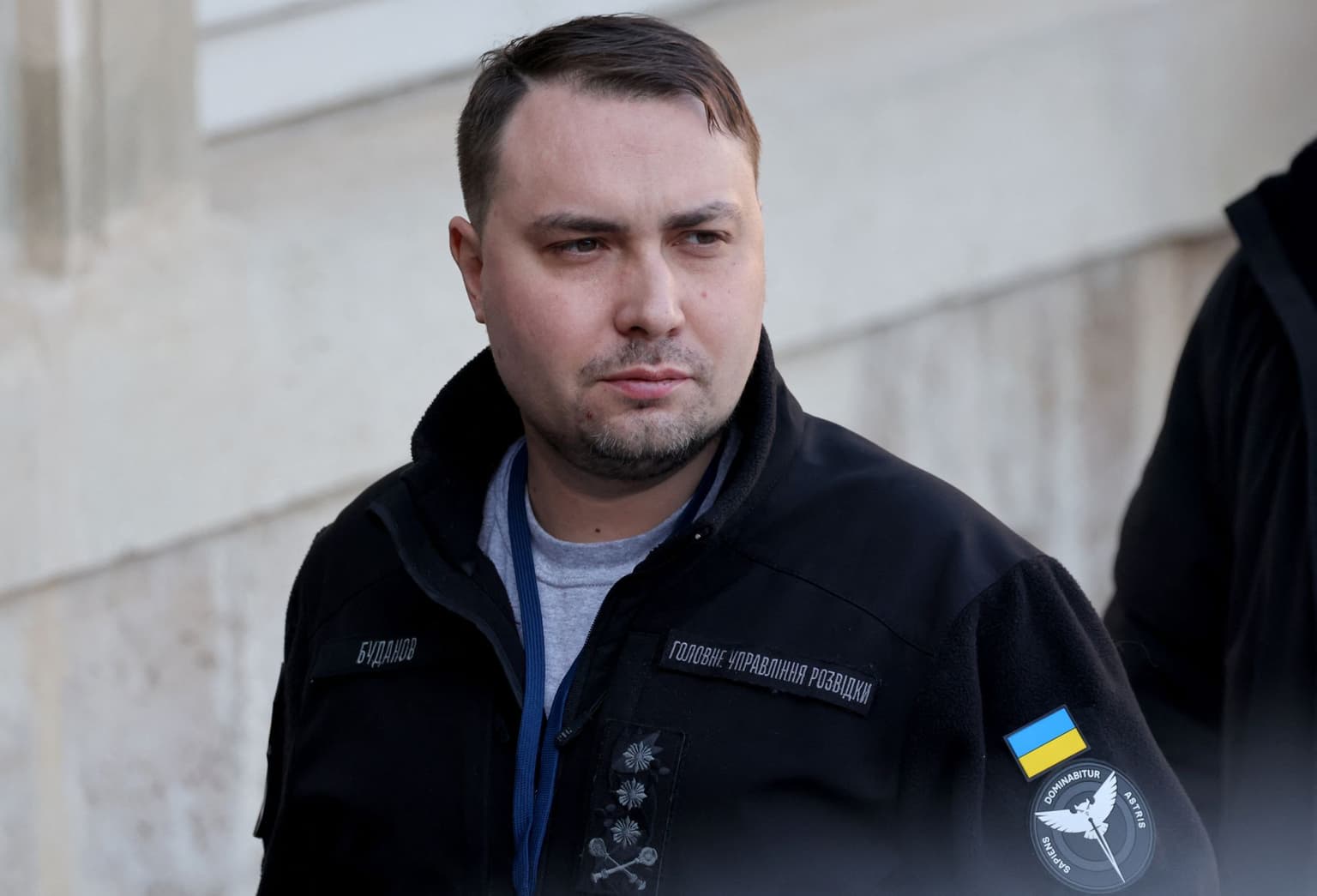
Russia would accept U.S.-backed security guarantees for Ukraine, the head of the President's Office, Kyrylo Budanov, said on Feb. 28.
Speaking to reporters during the national Yedyni Novyny (United News) telethon, Budanov said Moscow had previously indicated its willingness to accept guarantees offered by Washington.
"At past negotiations, the Russian side directly said that they would accept the security guarantees offered to Ukraine by the U.S.," Budanov said.
He added that Russia understands it may be "forced" to accept such guarantees.
Budanov's remarks came days after U.S. and Ukrainian officials met in Geneva on Feb. 26 as part of ongoing efforts to broker peace with Moscow. Russia did not participate in the talks.
The delegations reportedly discussed Ukraine's postwar recovery needs and plans for a subsequent round of negotiations that would include Russia.
As diplomatic efforts continue, Kyiv has maintained that strong, binding security guarantees from its partners — particularly the United States — are essential to any peace deal and to deterring a future Russian invasion.
It remains unclear what form those guarantees would take. Moscow has previously rejected proposals tied to Ukraine's security, including NATO membership or the deployment of European peacekeepers on Ukrainian territory — both seen as the strongest deterrents for future attacks. Russia has also sought security guarantees of its own.
Budanov said he sees "progress" on the question of security guarantees, suggesting the Kremlin may be more open to the concept than it has publicly indicated.