Russia restricts Telegram in latest push to tighten internet control
 on Google
Editor's note: This story has been updated with confirmation from Roskomnadzor.
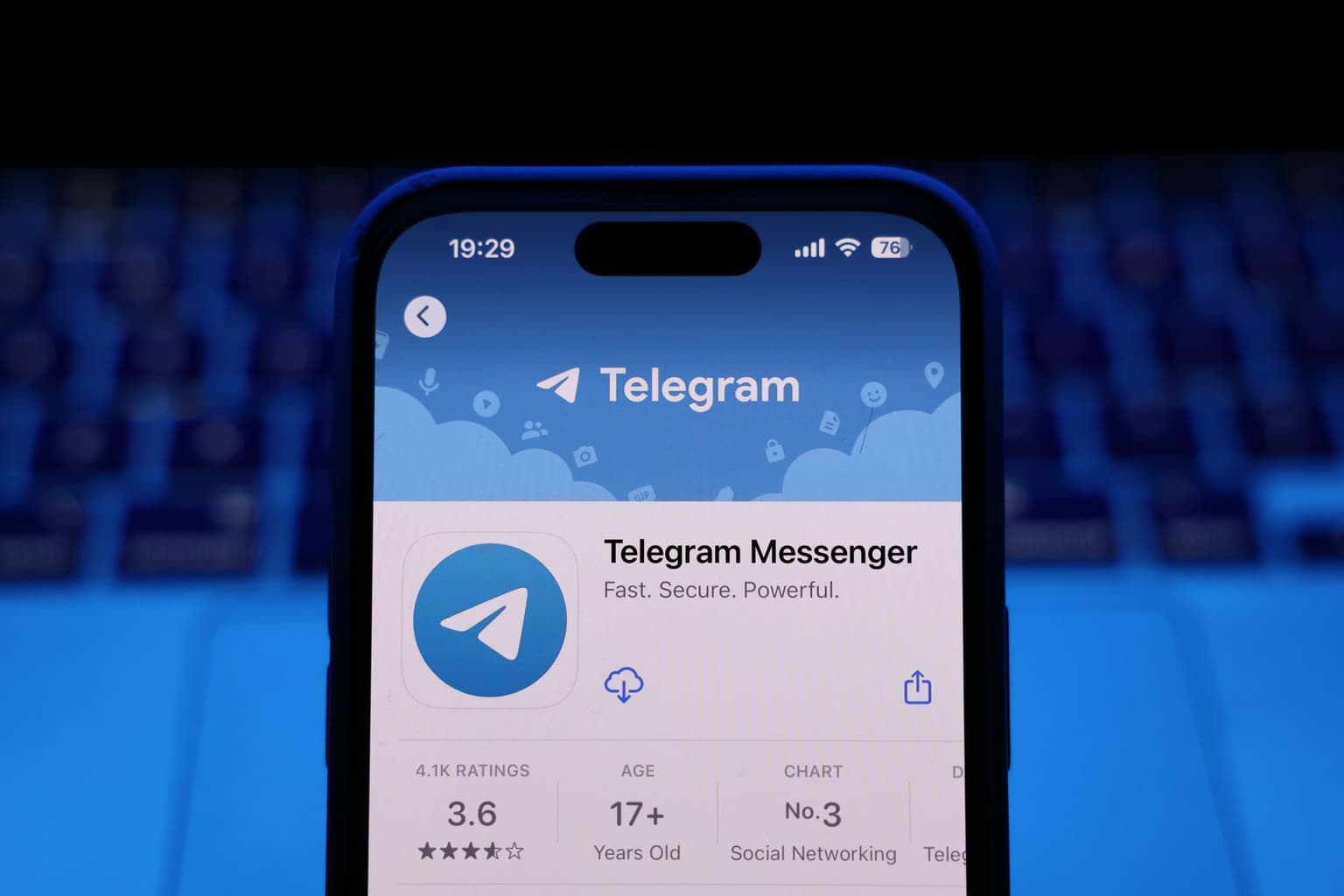
Russia's communications regulator, Roskomnadzor, began restricting the operation of Telegram on Feb. 10, targeting one of the country's most widely used messaging platforms, the regulator said.
The move fits into the Kremlin's broader push to replace Western digital services with domestic alternatives as it advances plans for a so-called "sovereign internet," tightening state control over online communications.
Roskomnadzor said it will continue to impose consistent restrictions on the Telegram messenger "in order to enforce Russian legislation and ensure the protection of citizens."
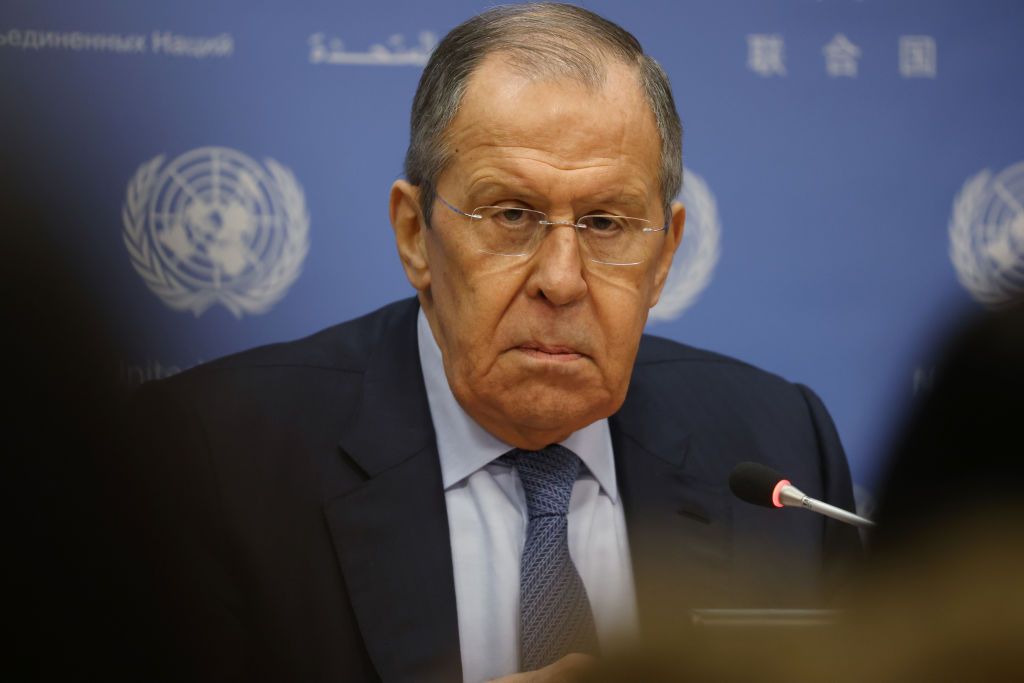
Russian lawmaker Andrei Gurulev said the restrictions on Telegram are part of Russia's "struggle with NATO," adding that citizens would have to accept the resulting inconveniences.
"Information security is an integral part of the struggle between us and NATO," he said. "I understand that this causes inconvenience for many people, including myself. But this is the demand of the times — there are threats, and we must respond to them."
Telegram users across Russia reported widespread disruptions for a second consecutive day. Complaints on outage-monitoring services surged to around 15,000, far above normal levels, with most users reporting problems downloading photos and videos.
Others said the app was slow to load or failed to connect altogether.
In previous cases, authorities have described such measures as "restricting the work" of an application, a term that typically refers to throttling traffic to the point that services become unusable.
Telegram, launched in 2013 by Russian-born entrepreneur Pavel Durov, is a cloud-based messaging app known for its speed and emphasis on privacy. Despite its origins, Durov left Russia years ago, and the platform operates outside the country's jurisdiction.
Commenting on the restrictions, Durov compared Russia to Iran.
"Russia is restricting access to Telegram in an attempt to force its citizens to switch to a state-controlled app built for surveillance and political censorship," he said. "Eight years ago, Iran tried the same strategy — and failed."
"Despite the ban, most Iranians still use Telegram. Restricting citizens' freedom is never the right answer. Telegram stands for freedom of speech and privacy, no matter the pressure."
A full-scale crackdown on Telegram could present challenges for the Kremlin, as Russian state-aligned media outlets rely heavily on the platform, where many have amassed millions of subscribers.
The apparent move comes amid a broader tightening of digital controls. In August 2025, Roskomnadzor effectively blocked calls via Telegram and WhatsApp, claiming the services were widely used for fraud, extortion, and recruiting citizens for sabotage activities.
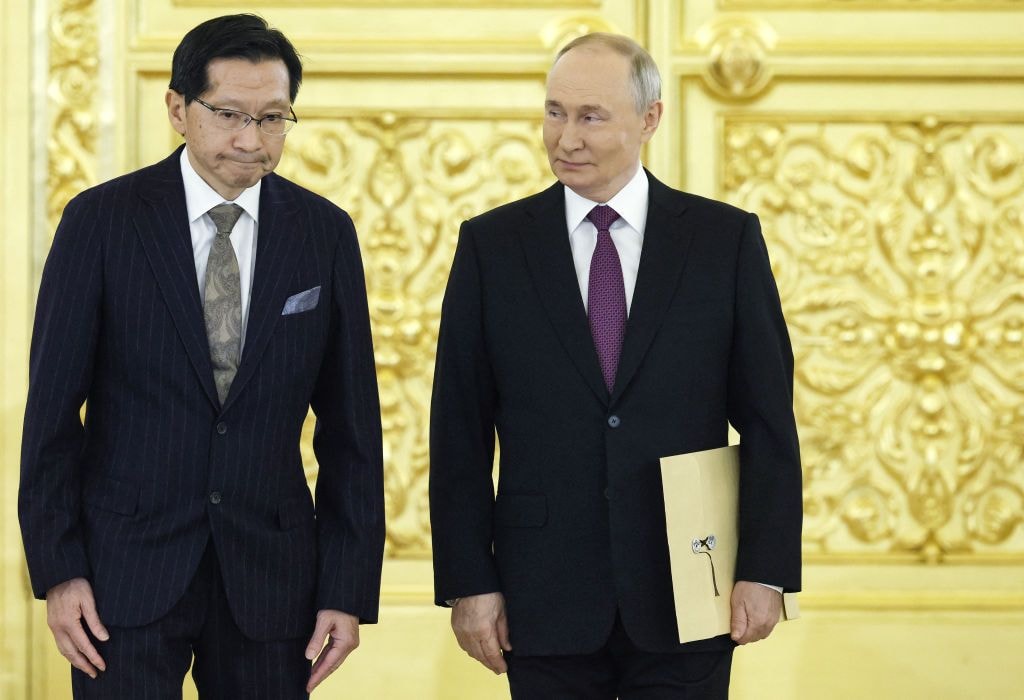
In June, President Vladimir Putin signed a law creating a national digital platform centered on the state-developed Max messenger, integrated with government services. Human rights groups have warned the platform could enable mass surveillance.
As restrictions expand, many Russians increasingly rely on virtual private networks (VPN) to bypass state censorship and access blocked or throttled services.