Russia effectively dismisses US-Ukraine peace framework, says it contradicts 'real' American plan
 on Google
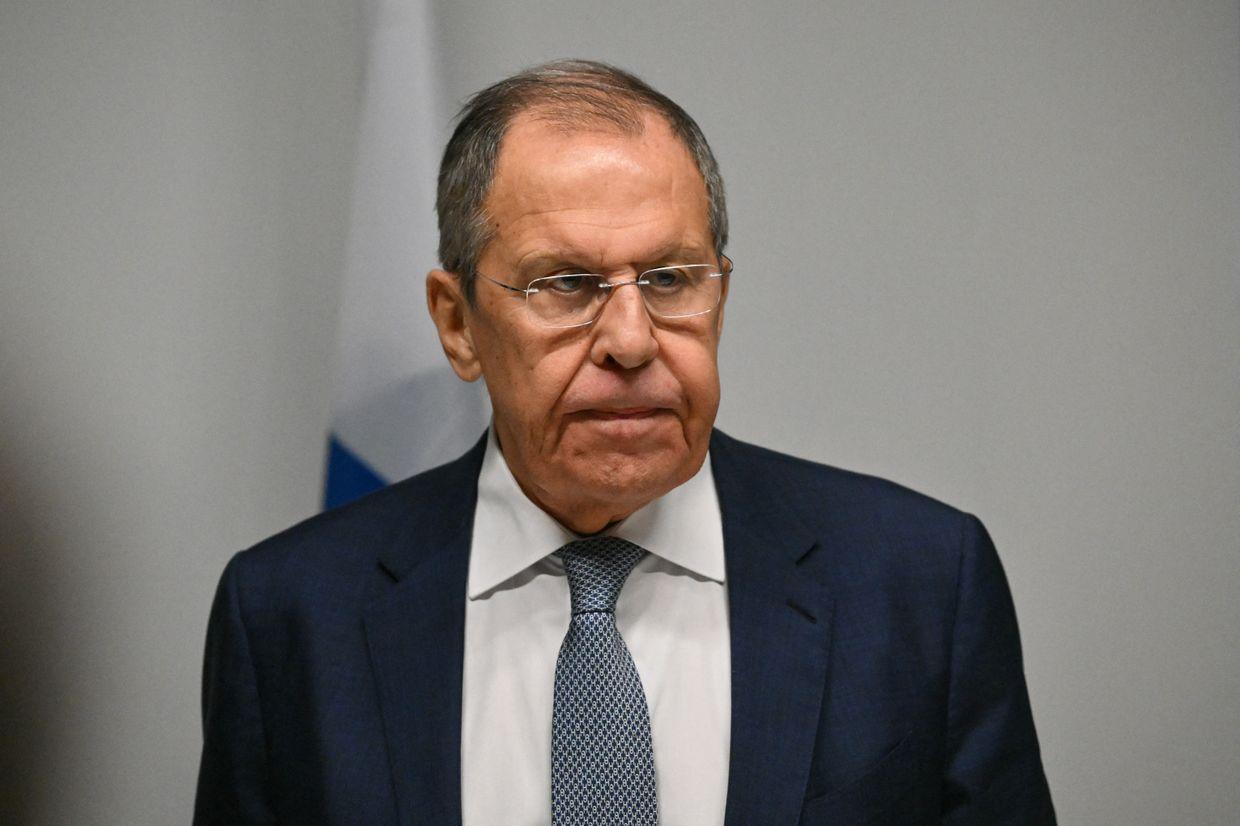
Russian Foreign Minister Sergey Lavrov on Feb. 11 effectively dismissed a U.S.-Ukraine 20-point peace framework, which had been expected to form the basis for peace negotiations.
His remarks come as diplomatic activity intensifies, with trilateral talks involving Ukraine, the U.S., and Russia potentially resuming as early as this week. The dispute over the framework highlights deep divisions over the direction of negotiations.
Lavrov said that ahead of the August summit in Alaska, U.S. Special Envoy Steve Witkoff handed Moscow a document outlining key issues "in line with realities on the ground."
The minister claimed that the sides had identified "real approaches based on the American initiative" that "opened a path to peace" and could have formed the basis for a final agreement.
"All subsequent versions are the result of an attempt by Zelensky and (Europe) to override the American initiative," Lavrov said. "Now they are waving around some kind of 'document' with 20 points, which no one has given us either officially or unofficially."
The 20-point framework Lavrov referenced was developed by U.S. and Ukrainian officials in late December 2025. An earlier 28-point draft, widely viewed in Kyiv as pressuring Ukraine toward capitulation, was revised into a shorter document.
Bloomberg earlier reported that the plan was delivered to Russian President Vladimir Putin in early January via Russian envoy Kirill Dmitriev, with Witkoff and Jared Kushner, Trump's son-in-law, later visiting Moscow to discuss it directly with Putin.
The plan was expected to serve as a basis for discussions among the three delegations.

Lavrov's comments mark the third consecutive day of his criticism of U.S. approach. On Feb. 9, he accused the Trump administration of failing to implement Russia–U.S. understandings on Ukraine.
He referred to what he called "Anchorage agreements" allegedly reached in 2025 that envisioned Ukraine surrendering the entire Donbas region without fighting.
The White House has not confirmed the existence of any such agreements and previously declined to acknowledge them in comments to the Kyiv Independent.
In a separate interview with state-owned NTV aired on Feb. 10, he said negotiations remain far from complete and warned against "some kind of enthusiastic perception" of progress.
U.S. officials, including U.S. President Donald Trump, have taken a more optimistic tone, with the president saying Ukraine and Russia are "closer than ever before" to a deal.
Lavrov is largely seen as sidelined from the direct peace track aimed at resolving Russia's war against Ukraine, with Dmitriev appearing to play the leading role in the negotiations.
Territorial issues remain the central obstacle in the peace process.
Russia has long demanded that Ukrainian forces withdraw from Donbas and has increasingly tied any future peace deal to such a move after more than a decade of fighting in the region.
Ukraine has ruled out a withdrawal, though Ukrainian officials have said alternative arrangements, including a demilitarized zone, could be considered.
The Ukrainian president has said Washington aims to end the war before summer.