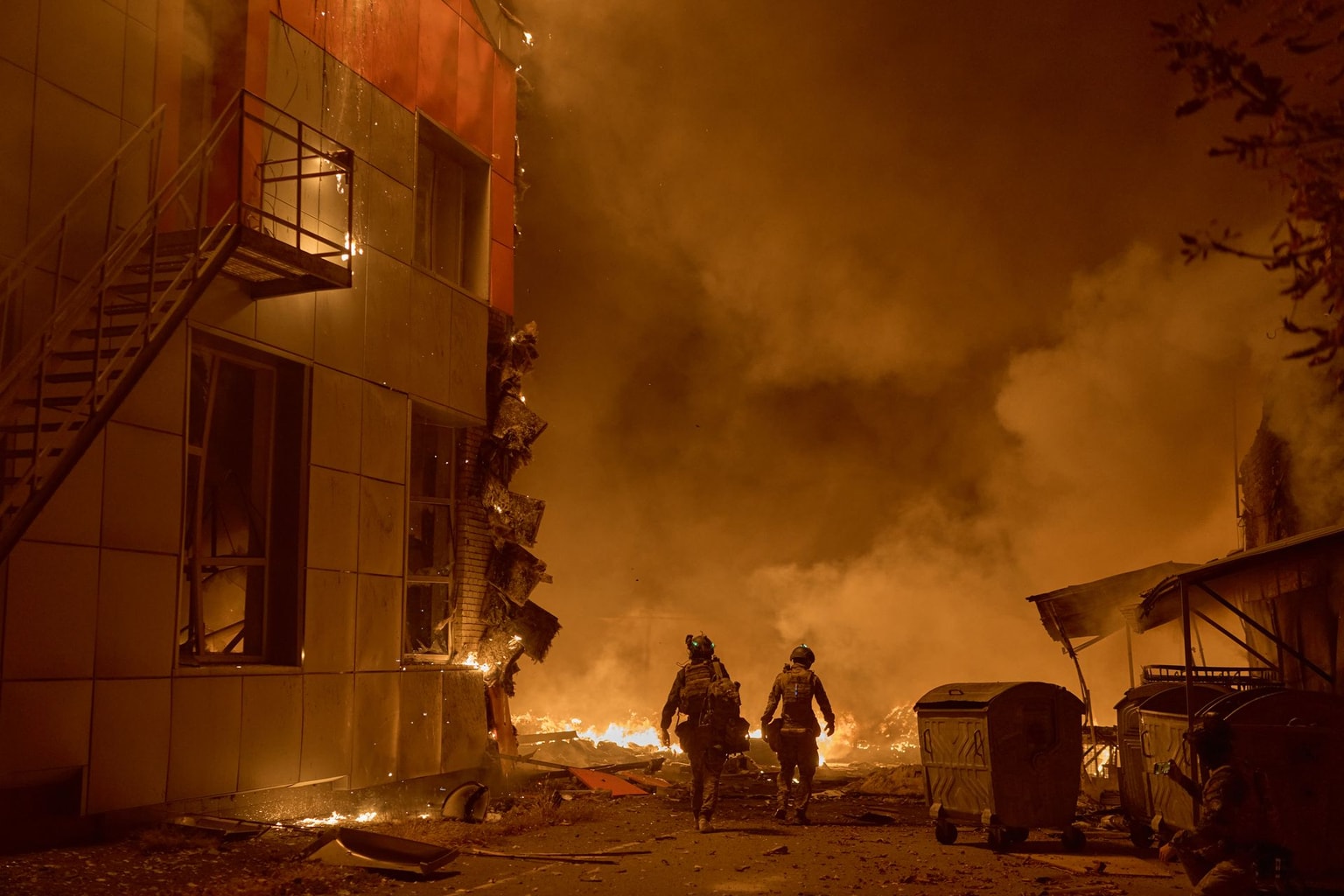
Russia’s Oreshnik strike aftermath was a carefully orchestrated psyop, media reports
 on Google
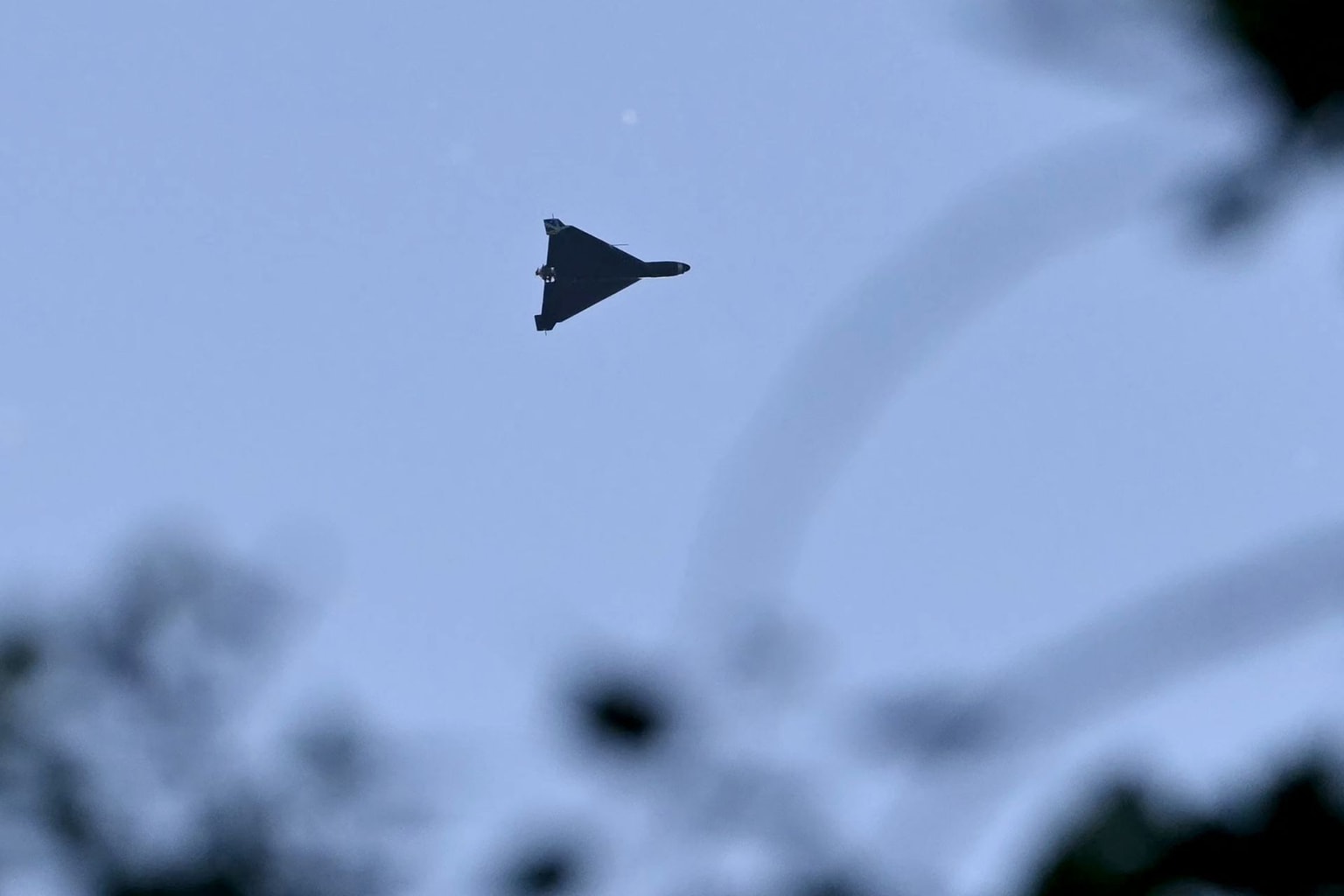
The media blitz following Russia’s strike on Dnipro with a new type of intermediate-range ballistic missile (IRBM) on Nov. 21 was a carefully staged stunt designed to scare off the West, the Moscow Times reported on Dec. 3, citing four Russian official sources.
The attack alarmed and puzzled civilians and international observers, who got used to Russia’s nuclear saber-rattling that has been ongoing since the beginning of the war.
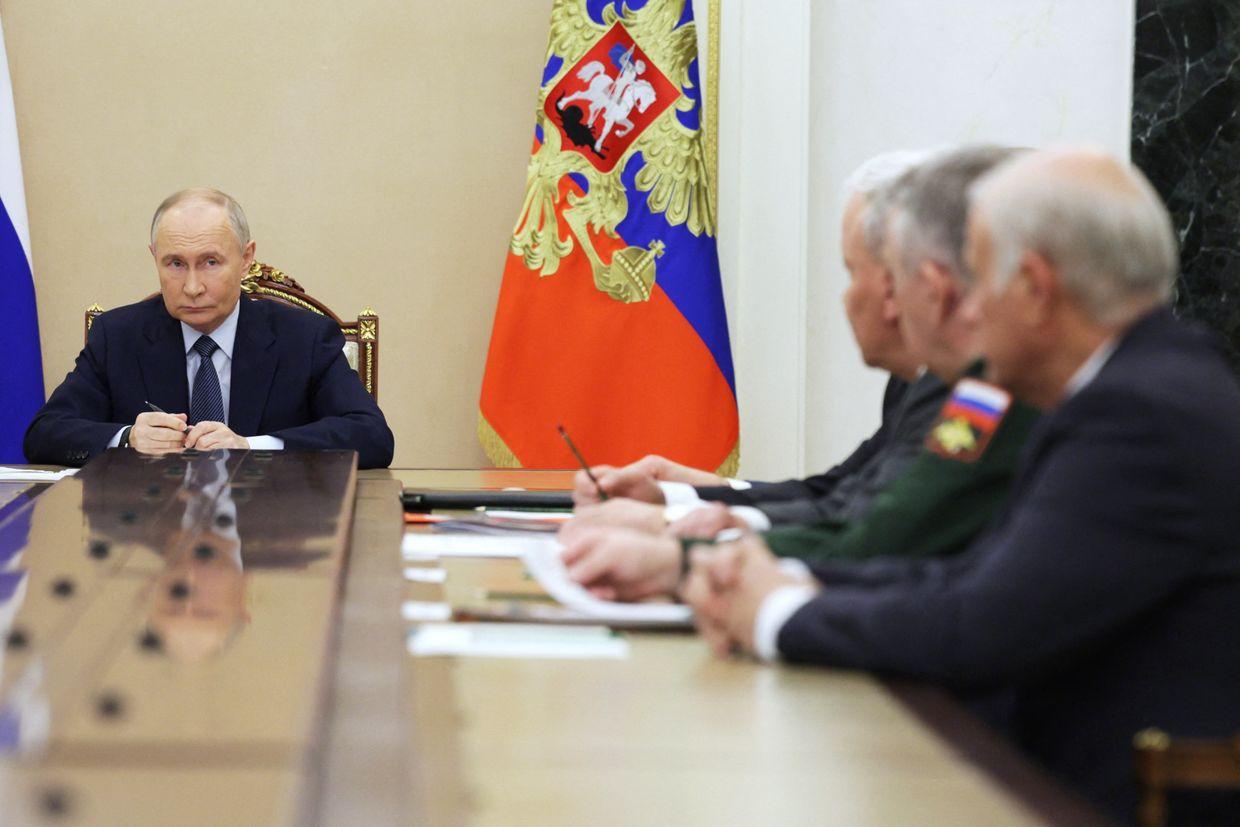
Later on Nov. 21, Putin said in a televised address that the attack was a test of Russia's "newest missile," an IRBM called Oreshnik.
During a press conference, Russian Foreign Ministry spokeswoman Maria Zakharova took a call on stage. The microphones overheard a man saying "not to comment" on questions regarding the new missile.
This was all part of a plan to scare the West into submission, the Moscow Times reported, citing its sources.
The propaganda offensive was coordinated between government, military, and intelligence officials, as well as PR experts, the outlet wrote. It came as a response to the West's decision to permit Ukraine to strike inside Russia with Western long-range arms.
"This show, which was staged and presented to the public," was composed of the actual Oreshnik strike, dissemination of footage on social media, and foreign media coverage, a Russian official told the Moscow Times.
Speaking to the outlet, experts expressed skepticism about the feasibility of mass-producing the Oreshnik, saying that the weapon is still being tested and Russia lacks the technological means to mass-produce such a weapon.
This undermines a later threat by Putin that he might strike "decision-making centers" in Kyiv by the new Oreshnik.