News Feed

Official: Russian attack damages infrastructure facility in Zaporizhzhia, causes heating outages

1 min read
Official: Russian attack damages infrastructure facility in Zaporizhzhia, causes heating outages
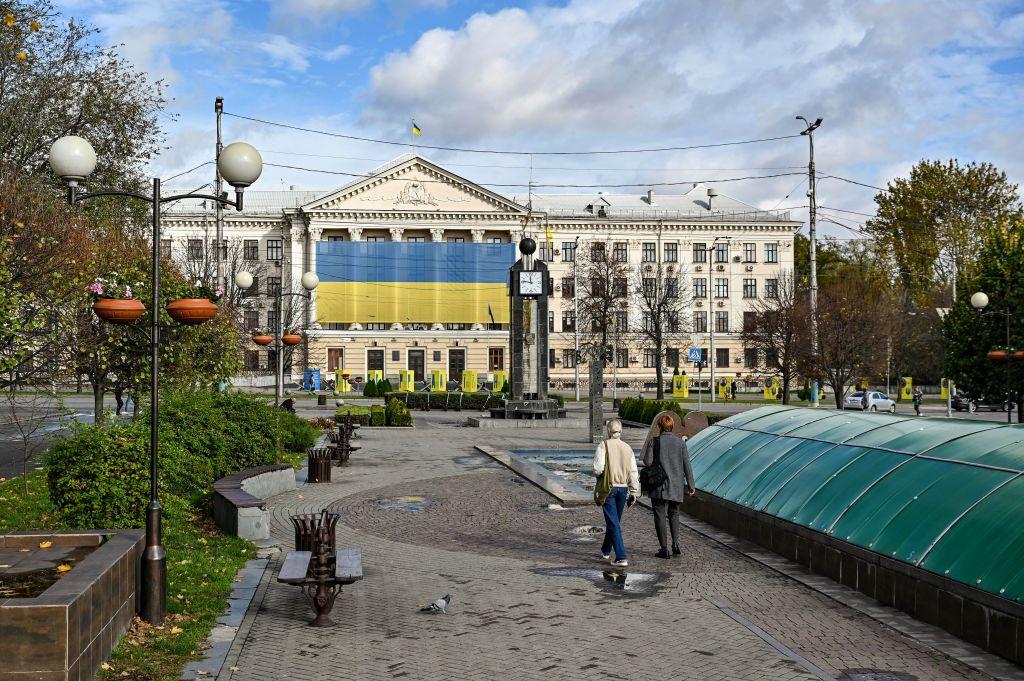
The building of the Zaporizhzhia Oblast State (Military) Administration, Zaporizhzhia, south-eastern Ukraine. (Photo for illustrative purposes) (Ukrinform/NurPhoto via Getty Images)

Russian forces struck Zaporizhzhia on the afternoon of Feb. 17, damaging an infrastructure facility and leaving around 4,000 residents without heating, Anatolii Kurtiev, the city's acting mayor, reported.

Russia has carried out a sustained effort to attack Ukraine's energy infrastructure, both through the winter of 2022-2023 and through the current one.

These attacks have led to widespread power outages, temporarily depriving civilians of electricity, heat, and other vital services.

An explosion was heard in Zaporizhzhia at around 12 p.m. local time, according to Zaporizhzhia Oblast Governor Ivan Fedorov.

Neither Fedorov nor Kurtiev specified which weaponry was used to carry out the attack.

The attack caused an interruption in the work of the city's heating network, causing heating outages in 39 apartment buildings, Kurtiev said on Telegram.

No casualties were reported.

Avatar
Dinara Khalilova

Reporter

Dinara Khalilova is a freelance Ukraine-based journalist and editor. She previously worked as a reporter and a news editor at the Kyiv Independent. In the early weeks of Russia's full-scale invasion, she worked as a fixer and local producer for Sky News' team in Ukraine. Dinara holds a BA in journalism from Taras Shevchenko National University of Kyiv and a Master's degree in media and communication from Bournemouth University in the U.K.

Read more
News Feed
 (Updated:  )

The EU's new steel allocation, set to enter into force on July 1, was introduced in response to global steel overcapacity, which has been hurting EU producers. The measure aims to restrict tariff-free steel imports to 18.3 million metric tons per year, a 47% reduction.

Show More