Official: Russia starts building railway links to occupied cities in Donetsk Oblast
 on Google
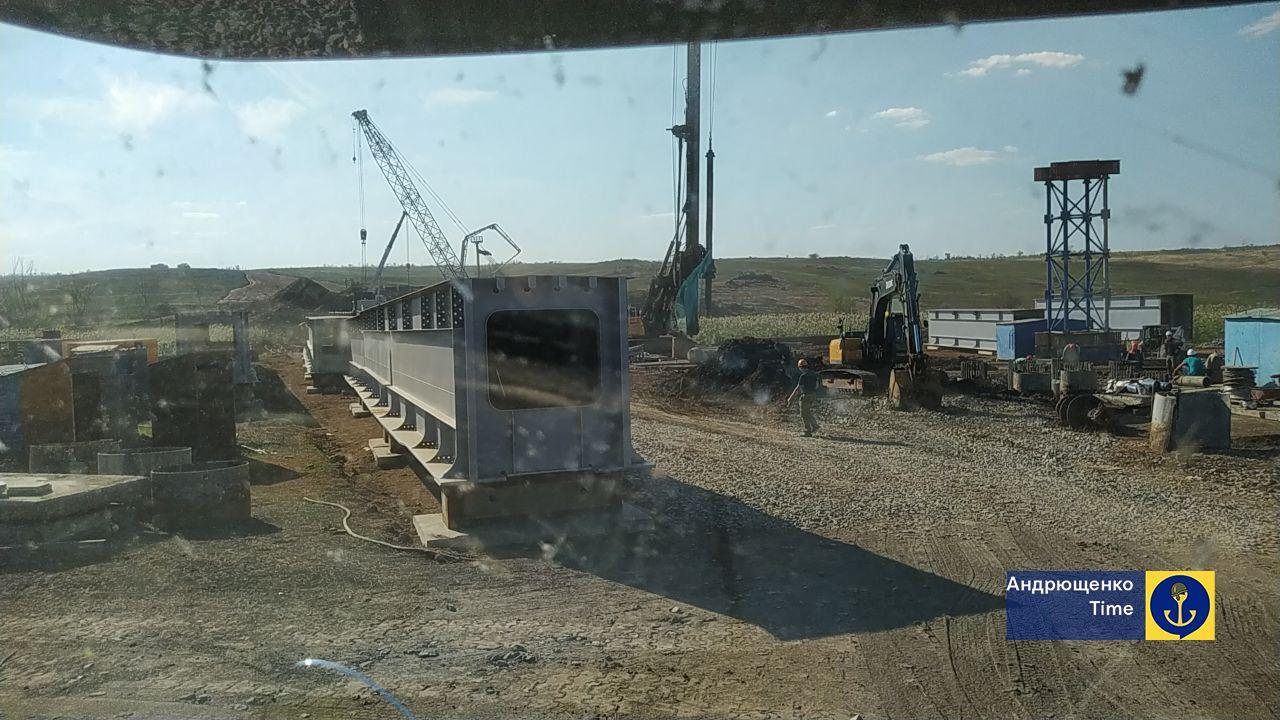
Russia started building direct railway links to the occupied Ukrainian cities Mariupol, Volnovakha, and Donetsk, which could decrease Moscow's logistical dependence on the Crimean Bridge, Petro Andriushchenko, an advisor to Melitopol's exiled mayor, said on Sept. 27.
The official noted that if these efforts are successful, Russia will connect the railway line of Mariupol-Aslanove-Kalchyk-Volnovakha in occupied Ukraine with the Russian cities of Taganrog and Rostov-on-Don.
Volnovakha links through the railway also to occupied Rozivka, Melitopol, and Crimea, he added.
Building these new connections would be a boon for Russian military and civilian logistics in the occupied territories and reduce Russia's reliance on the Crimean Kerch Bridge, Andriushchenko commented.
According to the official, the work on the new railway sections has already begun, specifically on a bridge over the Kalmius River near the village of Hranitne, Donetsk Oblast.
The Crimean Bridge, a vital connection linking the occupied peninsula with Russia's Krasnodar Krai, was severely damaged in a Ukrainian strike on July 17.
The Ukrainian military said earlier in September that the bridge had not been made fully functional yet. Drone and missile strikes against Crimea also cause regular closures of the Crimean Bridge, further hampering Russia's logistics.