on Google
Norway’s parliament on Feb. 16 approved a 7.4 billion euro (75 billion kroner) support plan for Ukraine as part of a five-year support package, the Norwegian government reported.
Ukraine will receive over 1.3 billion euros (15 billion kroner) per year under the program.
The military assistance will include the provision of weapons from the existing stocks of the Norwegian army, weapons purchased directly from manufacturers, and training for the Ukrainian military.
Norway will donate eight Leopard 2 main battle tanks and up to four support vehicles to Ukraine, the Norwegian Defense Ministry reported on Feb. 14.
The “tanks package” will also include ammunition and spare parts.
Norway will also contribute to the training of Ukrainian tank crews in Poland together with other allies, according to the country’s Defense Minister Bjorn Arild Gram.
Half of the package will fund military requirements in 2023, while the rest will fund humanitarian needs, but this split could change over time, he said.
Norway also plans to provide a grant to minimize the war’s impact on the countries of the Global South - such as high food and electricity costs

Most Popular
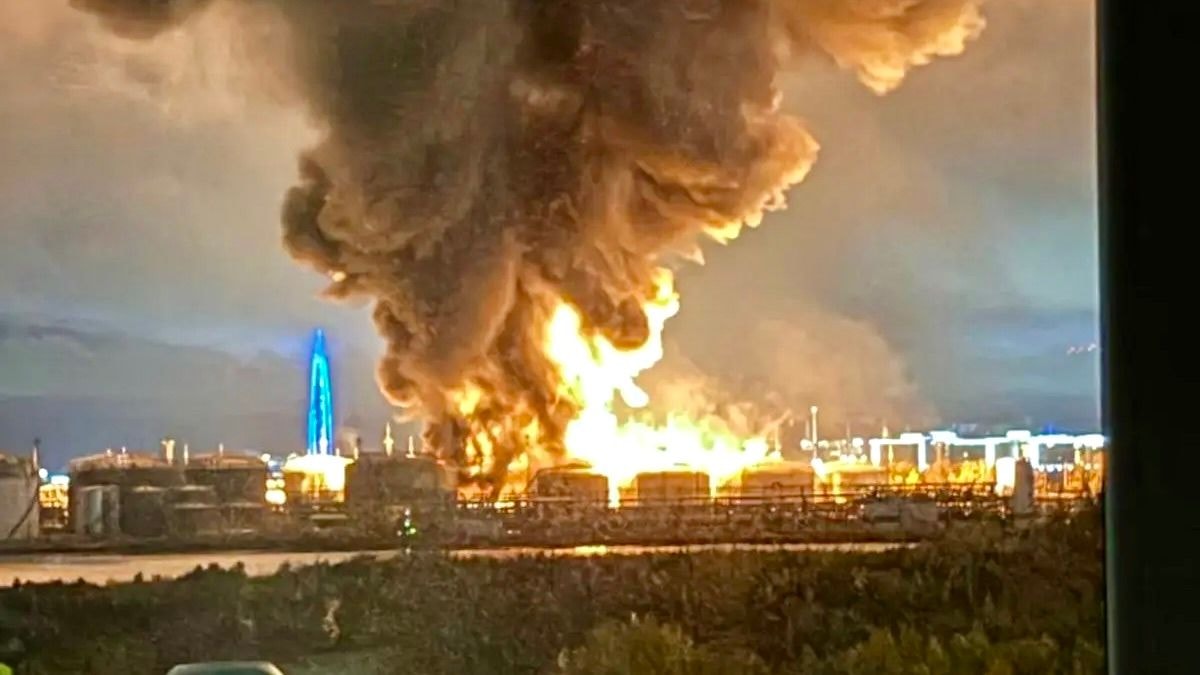
Massive Ukrainian drone attack hit oil facility, bridge, and data center in St. Petersburg
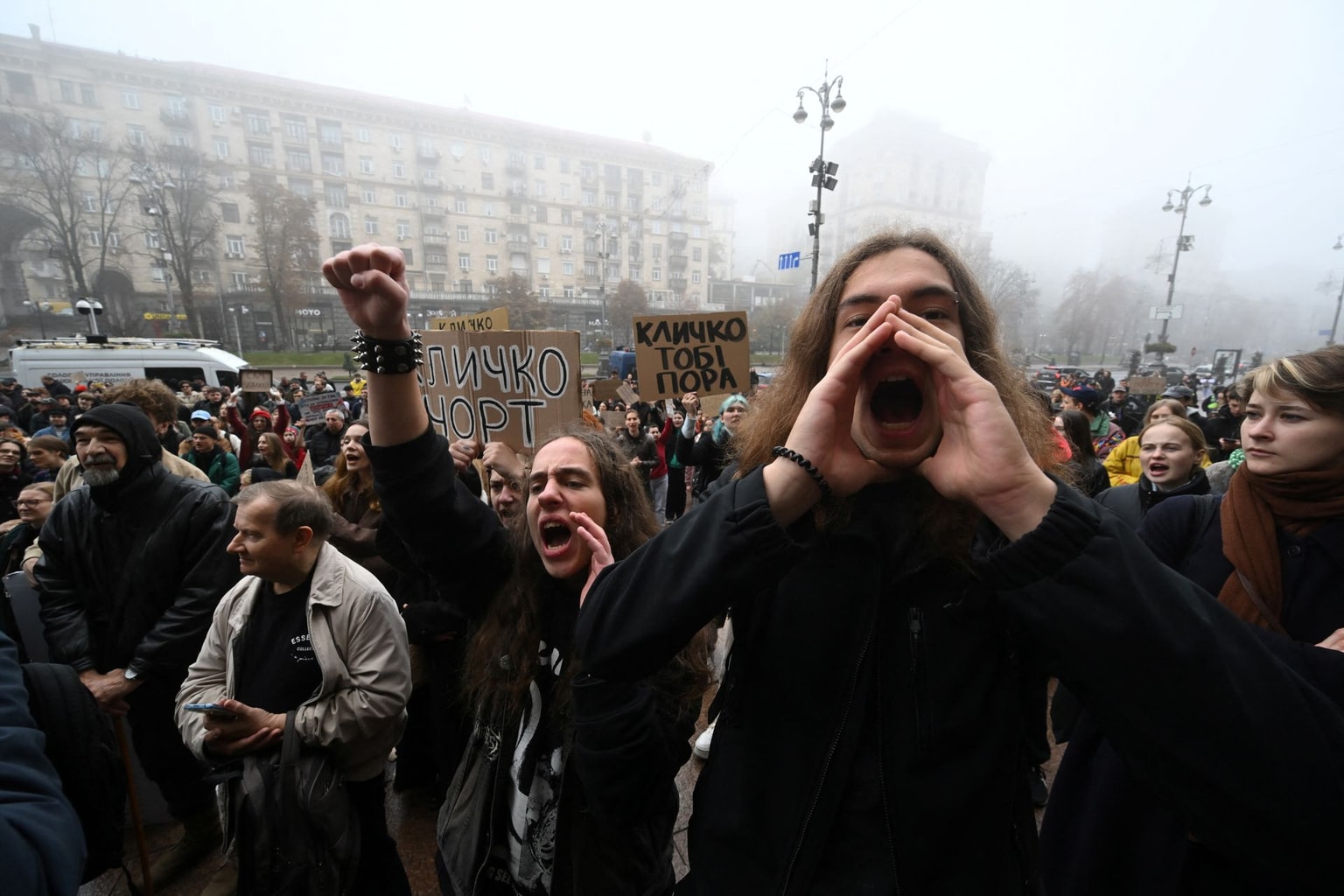
Anger over Kyiv's winter preparations fuels calls for Mayor Klitschko to resign

Sky closed over Moscow multiple nights in row as Ukraine resumes refinery strikes
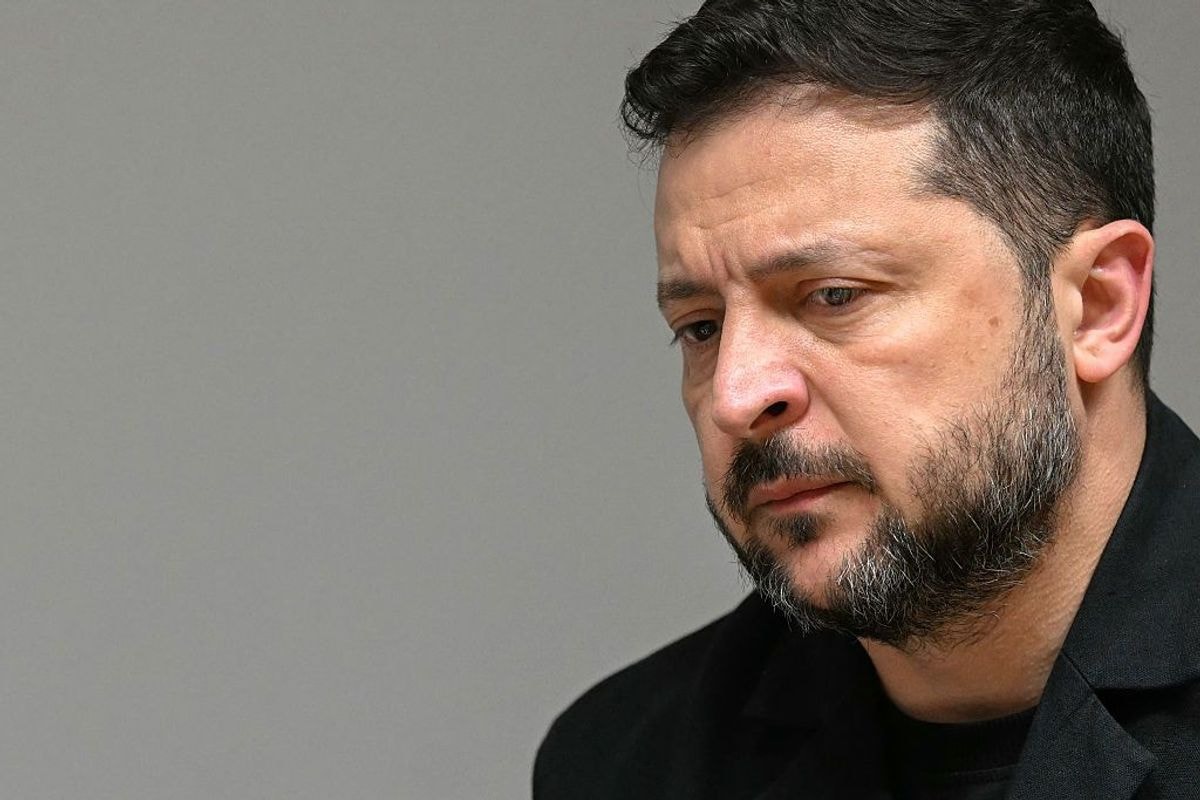
'Planned operation' — Zelensky confirms Ukraine's Starlink access not fully restored
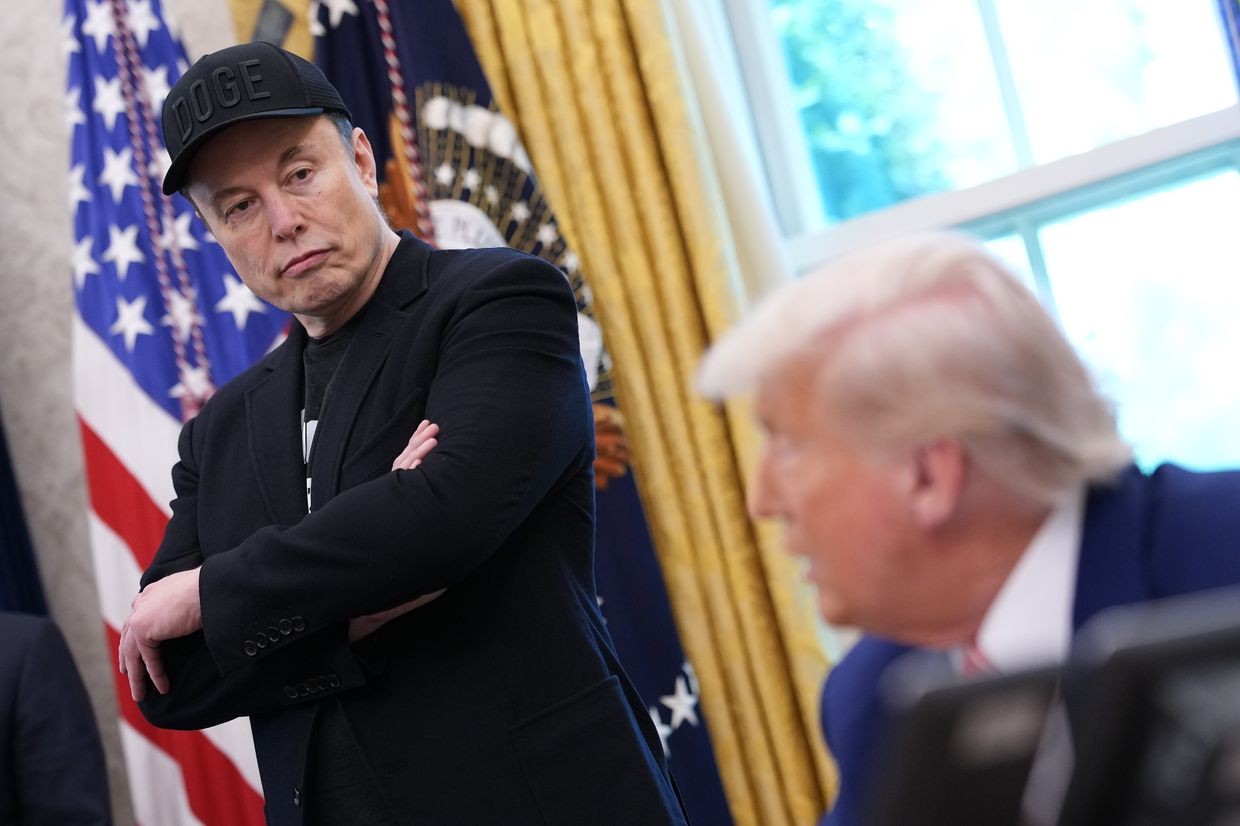
'They were both in on it' — Musk suggested Trump restrict Ukraine's Starlink service, Telegraph reports
News Feed Show More
Monday, October 19
(Updated: )
Several explosions rocked the capital just before 11 p.m., with further attacks around 3 a.m. and 7 a.m., Kyiv Independent journalists on the ground reported. Ukraine's State Emergency Service (DSNS) said damage was reported in at least three districts.
The two sides are discussing a local ceasefire to allow residents to be evacuated directly to Ukrainian-controlled territory, Lubinets said on Oct. 18.
More than 1 million square meters of real estate, particularly warehouse and logistics facilities, have been destroyed or significantly damaged this year, Prime Minister Serhii Koretskyi in an interview with BBC Ukraine.
Among the children returned to Ukrainian-controlled territory is 9-year-old Stefan, who was forced to undergo military training at a school under Russian occupation, according to Bring Kids Back UA.
Temporary Protection Status was granted to Ukraine’s citizens on March 3, 2022, just over a week after Russia begun its full-scale war against Ukraine.
The operation involved Ukraine's 92nd Separate Assault Brigade, 30th Separate Mechanized Brigade, and 10th Army Corps, along with Ukrainian drone manufacturer Gurzuf Defense.
(Updated: )
President Volodymyr Zelensky said Russian forces targeted energy facilities in 11 oblasts across Ukraine.
In the Oct. 19 attack on Kyiv, at least one person was killed, and eight others were injured as Russian missiles struck Kyiv in multiple waves overnight.
Tetiana Montian, a Ukrainian-born blogger, has supported Russia's aggression against Ukraine but at the same time accused the Russian authorities of incompetence and corruption.
The overnight assault also damaged a data center in Kyiv and infrastructure in Volyn Region, where around 66,000 electricity metering points were left without power, regional officials said.
"A trilateral meeting between the leaders of Ukraine, the U.S., and Russia could help end the war sooner," Foreign Minister Andrii Sybiha said. "A trilateral meeting between the leaders of Russia, China, and the U.S. would do only the opposite: encourage Putin to continue this war."
The number includes 2,100 casualties that Russian forces suffered over the past day.
Editors' Picks

Investigation: The romance scam tricking men into ‘rescuing’ Ukrainian women from Russian occupation
Editorial: Donald Trump is helping Russia win the war
Draft EU summit conclusions reveal what leaders will and will not say on Ukraine