NATO allies pledge over $1 billion for US arms for Ukraine
 on Google
Five NATO allies confirmed on Dec. 3 new purchases of U.S. defense materiel for Kyiv under the Prioritized Ukraine Requirements List (PURL).
The PURL initiative, launched earlier this year, enables NATO members to buy advanced U.S. weaponry for Ukraine.
During a meeting of allied foreign ministers in Brussels, two joint upcoming PURL packages, each worth $500 million, were announced: one co-financed by Germany, Norway, and Poland, and another by Germany, Norway, and the Netherlands.
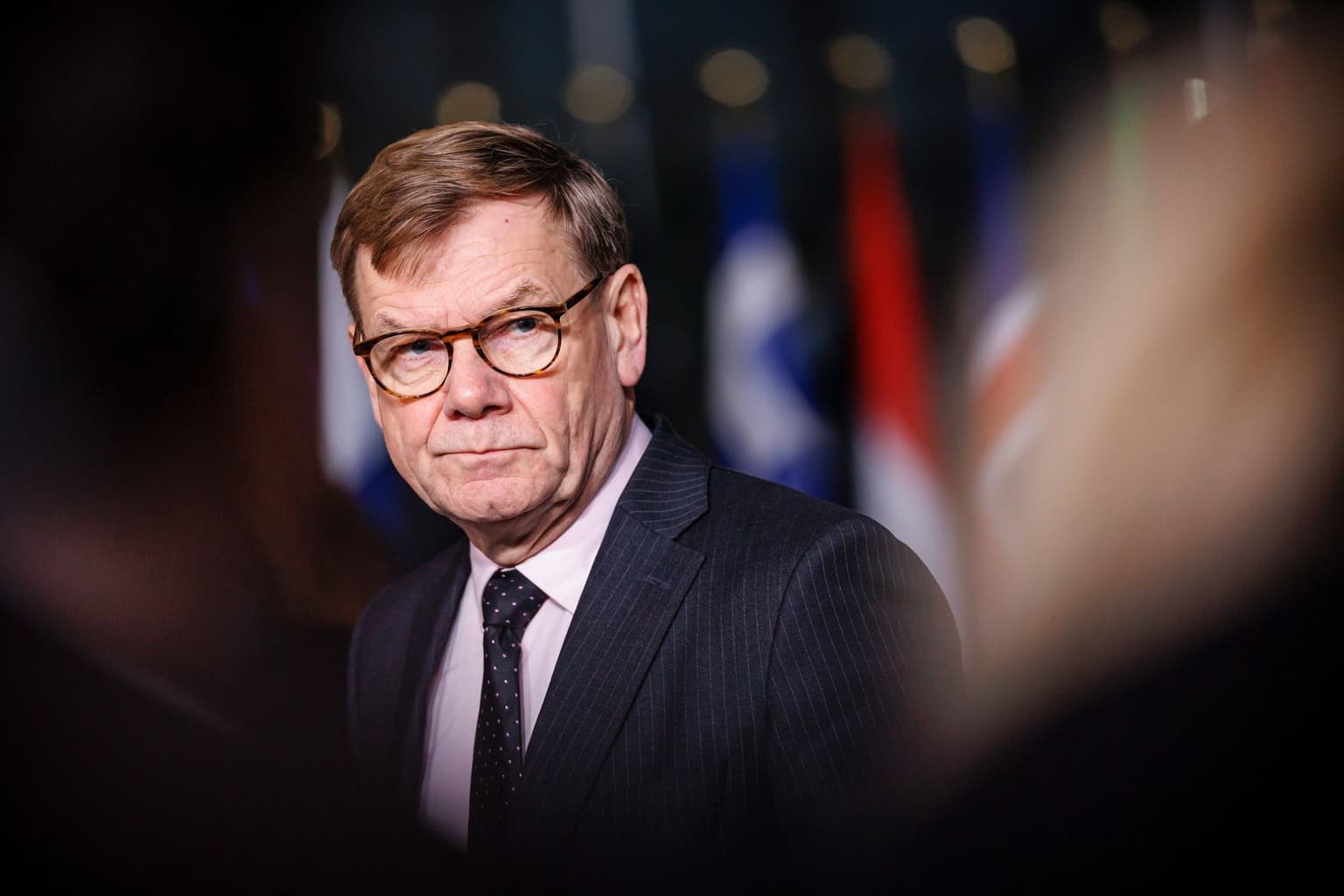
Russian President Vladimir Putin "has not yet shown any real willingness to negotiate," German Foreign Minister Johann Wadephul said in Berlin on Dec. 3, prior to his departure for Brussels.
"That is why we are maintaining pressure on Russia, and, as allies in NATO, intend to increase it further."
Separately, Canada's Foreign Minister Anita Anand said her country would also donate approximately $200 million under the PURL initiative, while the U.K. pledged an additional 10 million pounds ($13 million) in energy support.
Germany's contribution to the upcoming packages amounts to about $200 million, while Norway will donate as much as $500 million. The Netherlands confirmed its contribution of $290 million earlier this week, noting that it would include ammunition for Ukraine's air defense systems and the F-16 fighter jet fleet.
NATO Secretary General Mark Rutte said that Kyiv is set to receive up to $5 billion worth of arms under the PURL initiative by the end of this year.
The new pledges come only a day after a visit by U.S. President Donald Trump's envoys, Steve Witkoff and Jared Kushner, to Moscow to discuss a revised U.S.-Ukraine peace plan with Putin.
The two sides failed to reach a breakthrough in discussions on the Washington-backed proposal, which was unveiled in November and revised in subsequent talks with Ukrainian and European officials.
In its original form, the plan imposed harsh terms on Kyiv, including a cap on its military, a ban on joining NATO, and territorial concessions.
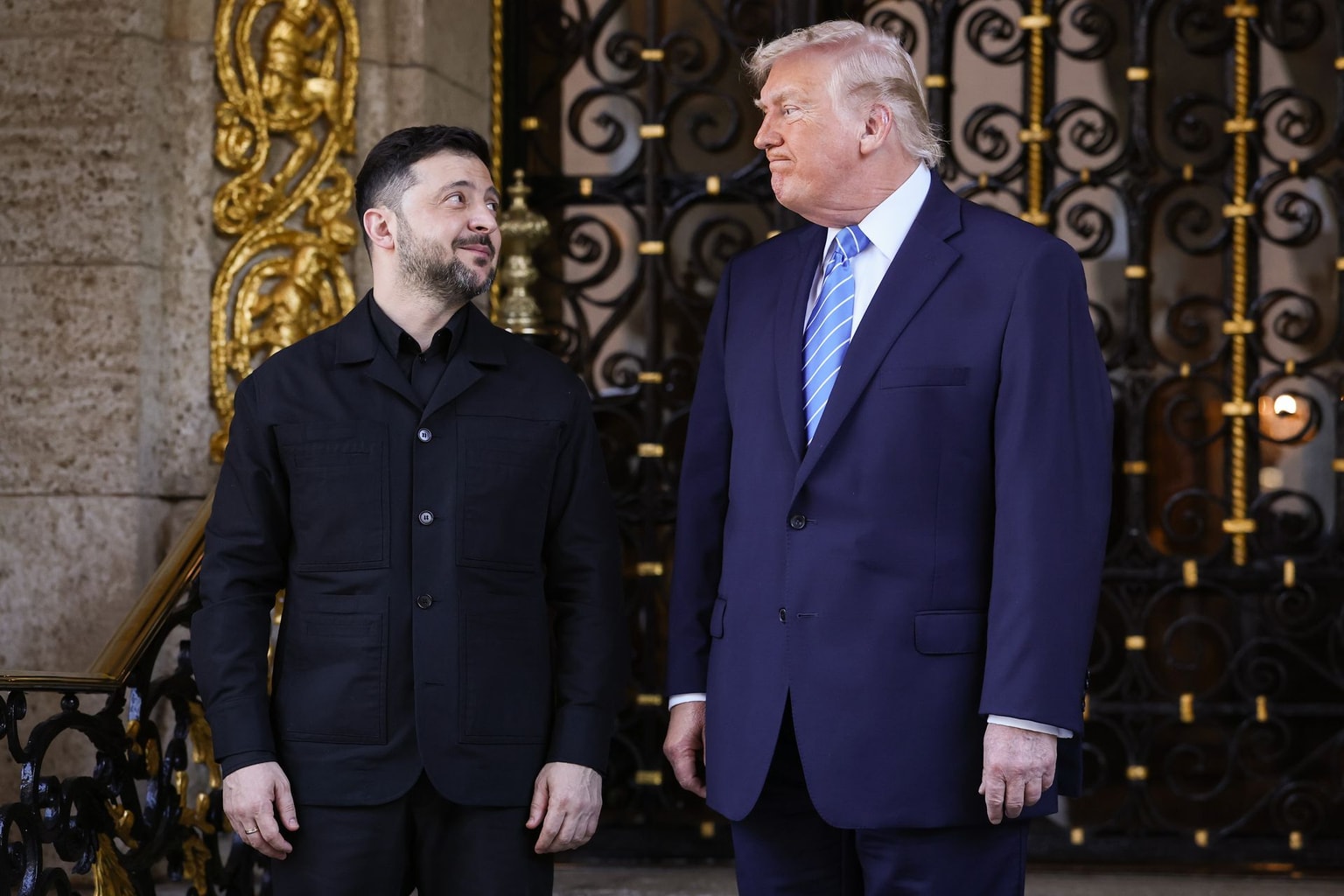
President Volodymyr Zelensky said on Dec. 1 that the plan "looks better" following further talks with Washington, but acknowledged that territorial issues remain the most challenging part of the peace efforts.
Moscow has shown no willingness to concede from its demands, including for Ukraine to withdraw from the Donbas region — a demand Kyiv has rejected.
European ministers are meeting in Brussels to reaffirm their support for Ukraine, even as U.S. Secretary of State Marco Rubio is skipping the session, sending his deputy instead.
"What we see is that Putin has not changed any course. He's pushing more aggressively on the battlefield," Estonian Foreign Minister Margus Tsahkna told reporters in Brussels.
"It’s pretty obvious that he doesn't want to have any kind of peace."
The NATO meeting on Dec. 3 will also include talks with Ukrainian officials, as Kyiv's negotiators are expected to brief European national security advisors on the current state of peace talks.