'Away from Moscow!' — The enduring cry of writer Mykola Khvylovy, the voice of a generation purged by Stalin
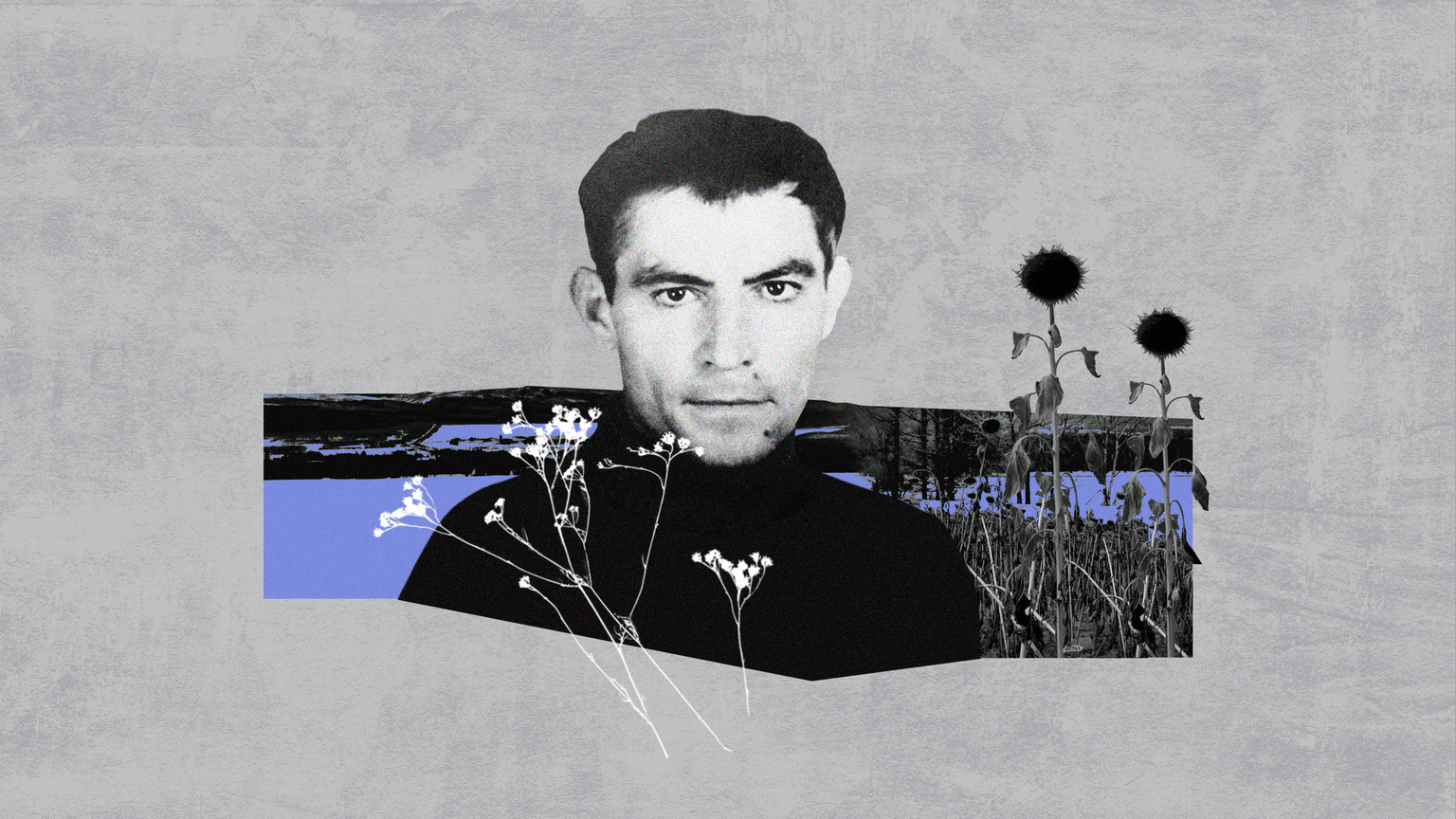
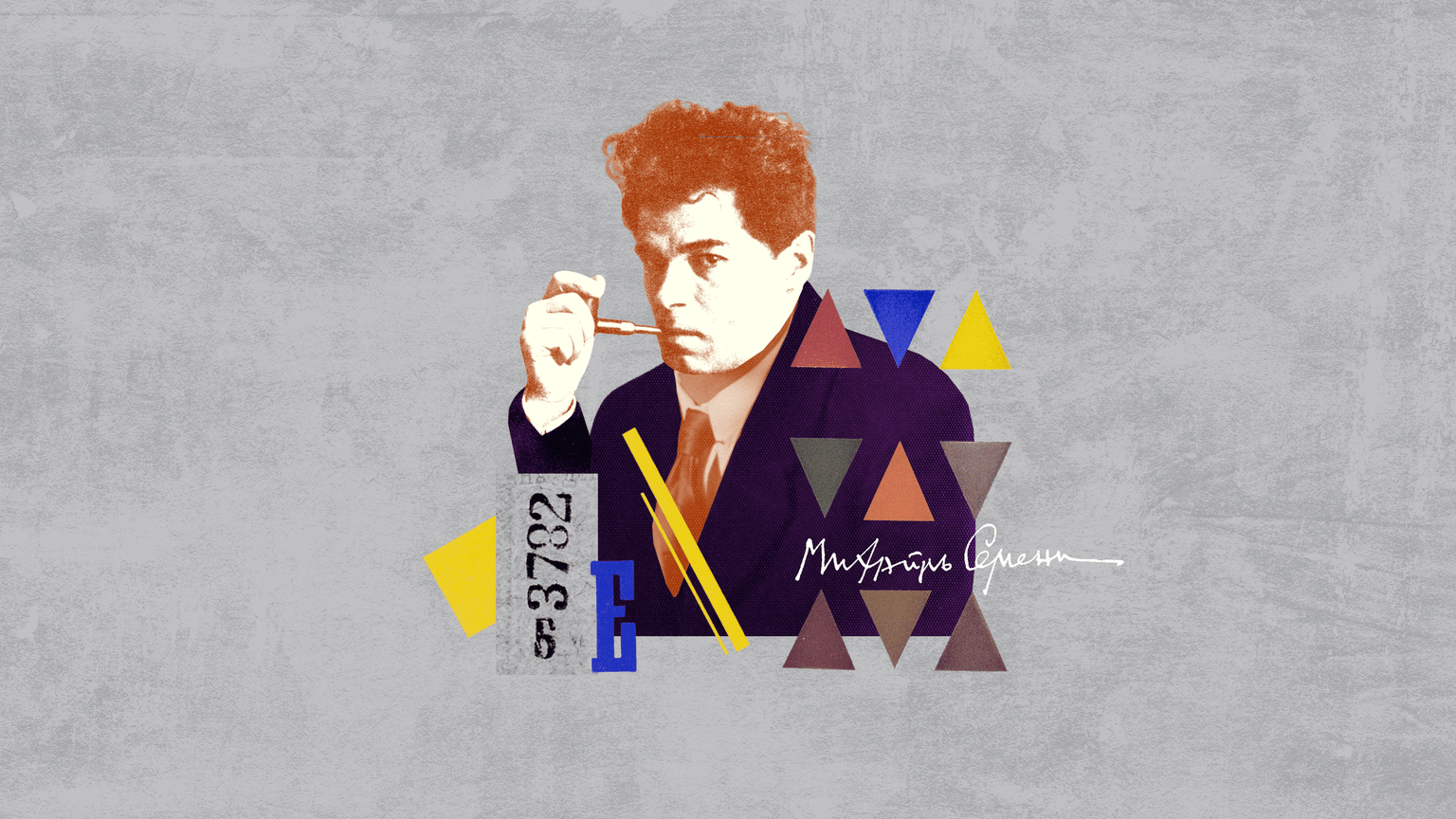
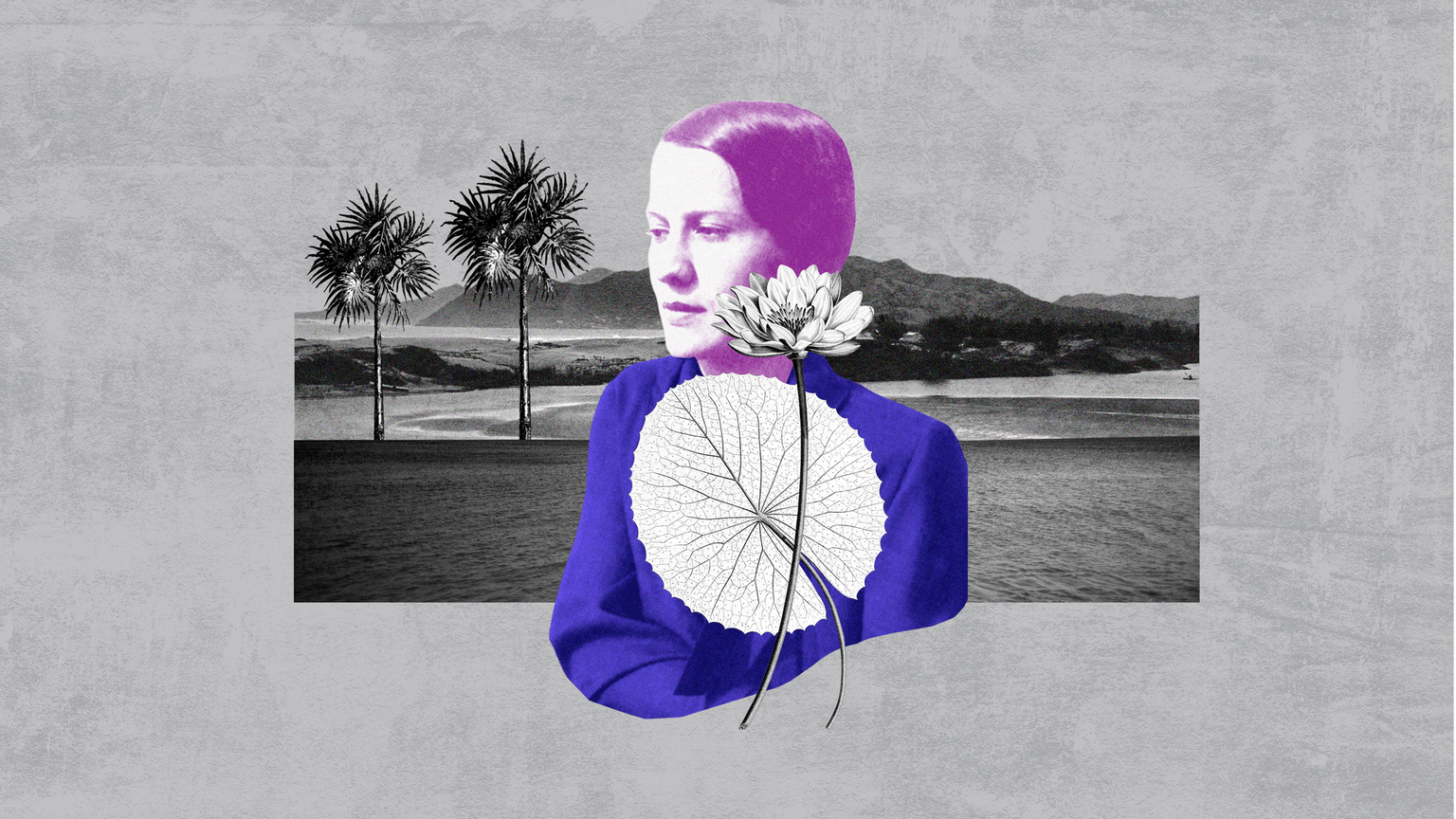
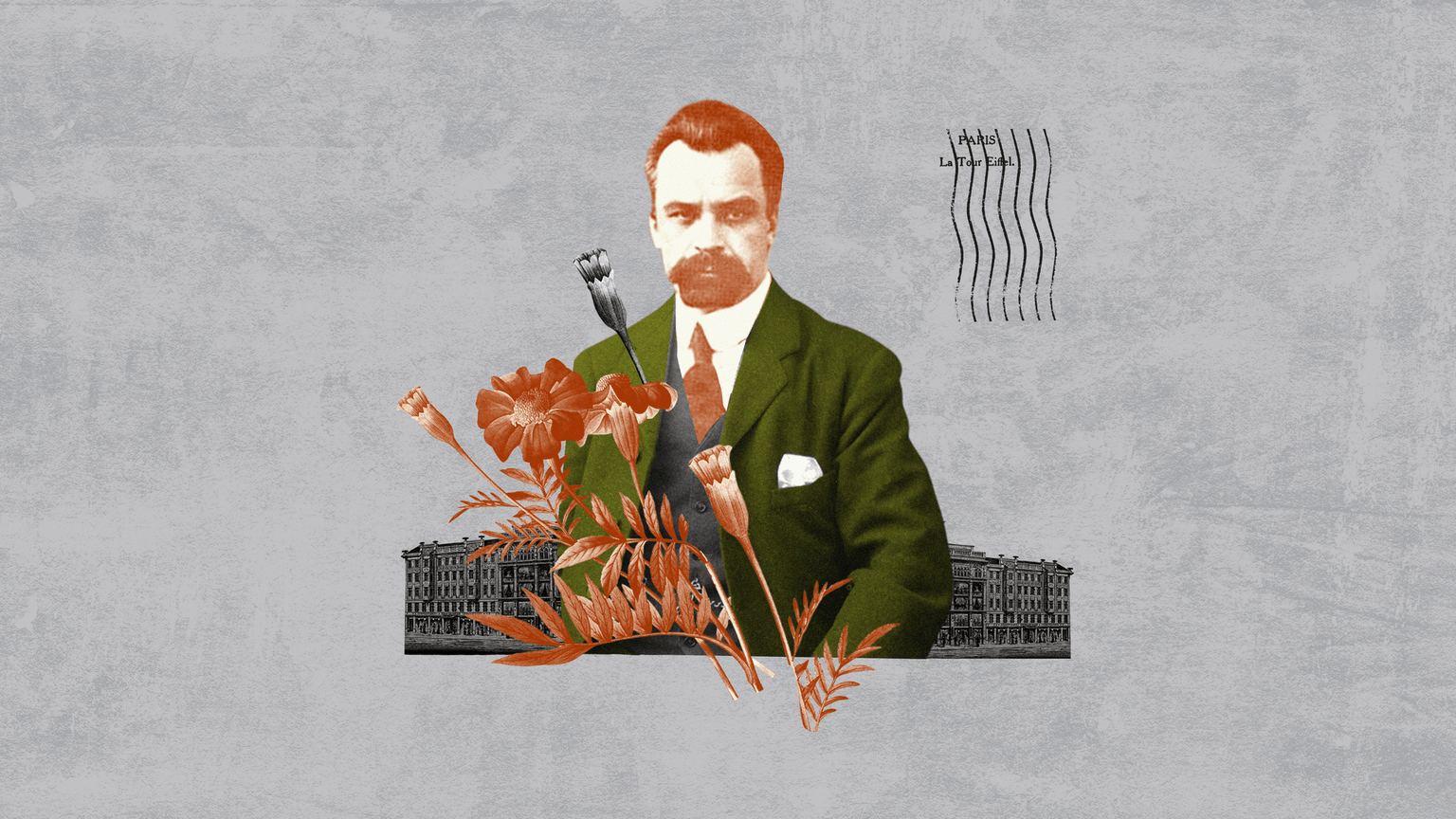
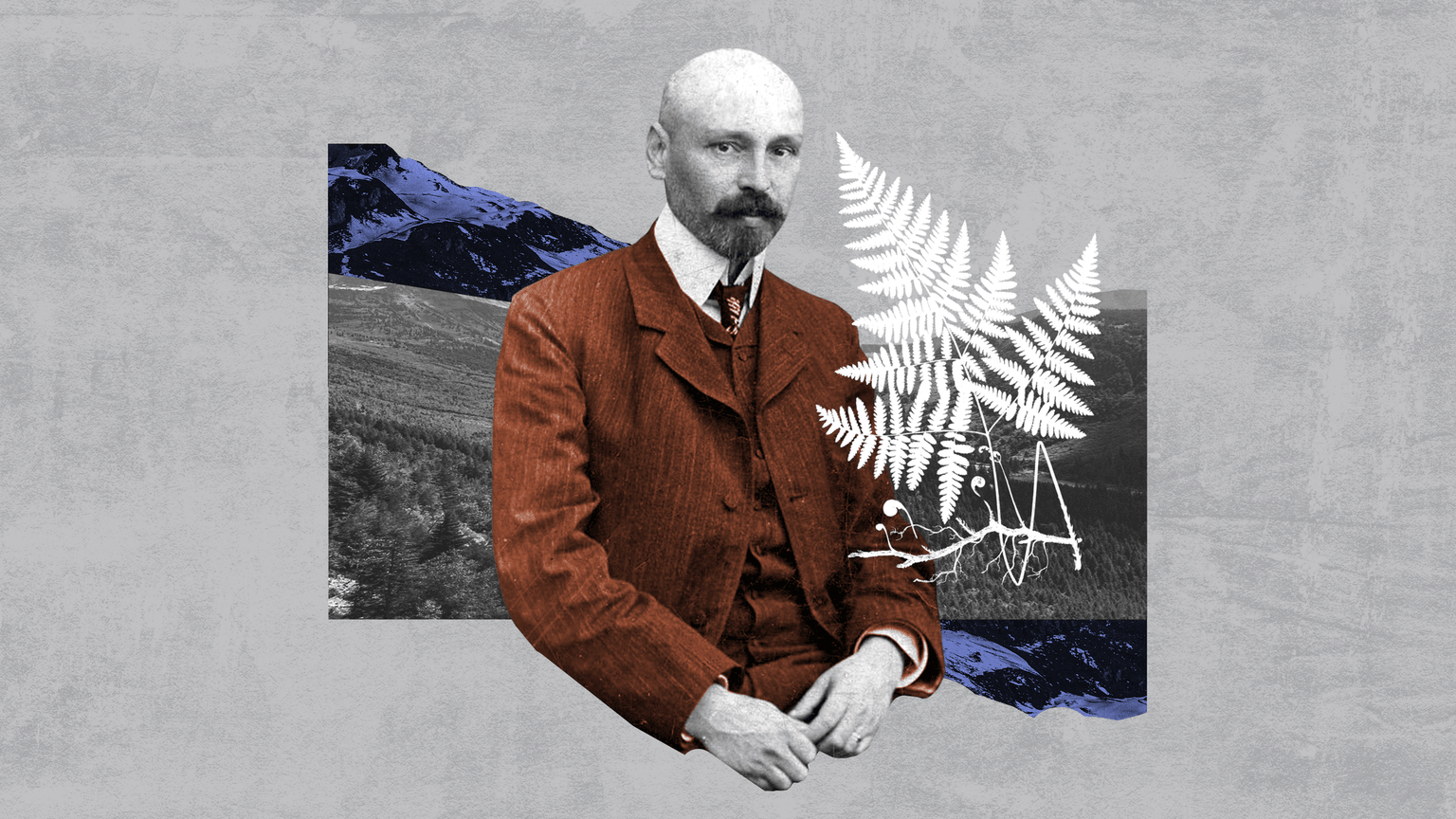
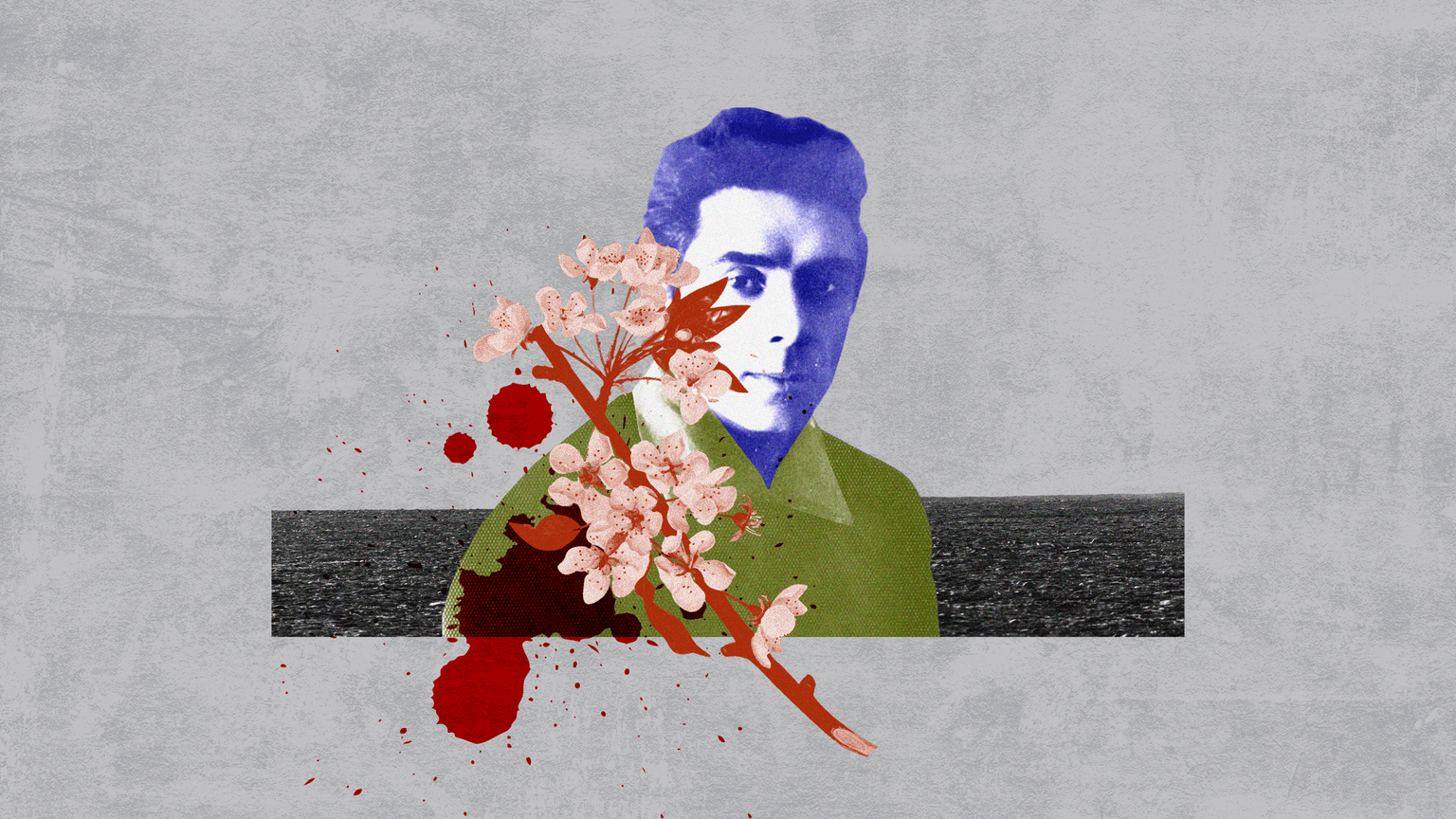
Ukrainian prose writer, poet, and essayist Mykola Khvylovy. (Anastasiia Starko / The Kyiv Independent)

Editor's Note: This story is part of the "Hidden Canon" – a special series celebrating Ukrainian classic literature and aiming to bring it to a wider international audience. The series is supported by the Ukrainian Institute.
One late morning in May 1933, the 39-year-old Ukrainian author Mykola Khvylovy excused himself from the guests in his apartment, telling his fellow writers that he would fetch his new manuscript to read to them.
Instead, upon entering his study, he shot himself in the head.
As a prose writer, poet, and essayist, Khvylovy was a key figure in Ukraine's literary renaissance of the 1920s and a champion of its cultural independence. His suicide was not only the result of profound personal turmoil but also a response to the collective catastrophe during the Stalinist purges that befell him and his fellow Ukrainian intellectuals.
"(Mykailo) Yalovy's arrest is the execution of an entire generation. For what? For being the most sincere of communists?" Khvylovy wrote in his suicide note, referring to the recent arrest of a fellow writer who in 1937 would be executed alongside thousands of others in the Sandarmokh forest in Russia's northern Karelia region.
read also
"I don't understand anything. Today is a beautiful sunny day. You can't imagine how much I love life. It hurts unbearably."
Given the scale of Soviet repression that swept through Ukraine — silencing, imprisoning, and killing its brightest minds — Khvylovy's generation came to be known posthumously as the Executed Renaissance.
For Khvylovy, literature was never merely an artistic pursuit but a national and moral imperative.
"In Khvylovy's writings, there's tension in every line, because for him every text was an opportunity to make up for decades and centuries of oppression and lost opportunities," translator and literary scholar Alessandro Achilli told the Kyiv Independent.
"Khvylovy saw his own work and that of his generation as imbued with intellectual responsibility, first of all towards the to-be-(re)built nation, which of course meant that every line, sentence, and word meant hugely."
Khvylovy's best-known prose work, "I, Romance," is a modernist novella that explores the psychological and moral disintegration of an unnamed revolutionary in the early years of Soviet Ukraine.
"I am a Chekist, but I am also a human being," the narrator of the novella declares in one of his most haunting lines.
Torn between his revolutionary duty and the lingering image of his loving mother, one of his last links to his humanity, the narrator is haunted by guilt and hallucinations as he oversees executions. His emotional crisis reaches its peak when his mother is among those condemned, forcing him to confront the inhumanity he has become part of.
"The emptiness closed in on me. Only the moon spilled its green light from the punctured sky above. I gripped my Mauser, but my hand was growing weak, and I felt like I might start sobbing small, childlike tears, the way I did as a boy against my mother's warm breast. I wanted to cry out, 'Mother! Listen to me: come here! I have to kill you.' And then an unhappy voice sliced through my mind. Again, I heard my mother saying that I — her stubborn son — had worn myself out completely."
The novella envelops the reader in a sensorial whirlwind where beauty and terror are inextricably entwined, each detail — whether the faded velvet of aristocratic curtains or the acrid tang of gun oil — resonating with psychological intensity.
"Our dwelling is a grand palace — it once belonged to a nobleman who was later shot. There are strange curtains with old patterns, and portraits of a princely family. Everywhere I look in my makeshift office, these things watch me from the shadows. Somewhere nearby, the military phone gives off a sad, restless ring, like the horn of a distant train station," the narrator says.
"On a plush sofa sits an armed Tatar, his legs tucked under him, singing a slow, Eastern tune: ala-la-la. I turn to look at the portraits: the prince is scowling, the princess wears an expression of cold disdain, and the young princes are lost in the shadows of ancient oaks."
Khvylovy began his career as a supporter of communism, passionately committed to the ideals of the revolution and the promise of a new, just society. However, his initial zeal soon gave way to profound skepticism as he witnessed firsthand the violence, repression, and moral ambiguity that increasingly characterized Soviet rule. Disillusioned by the regime's willingness to sacrifice individual conscience and humanity in the name of ideological purity, Khvylovy became one of its most perceptive — and anguished — critics.
Most importantly, this skepticism extended to the treatment of Ukraine under Soviet rule, which sought to erode Ukrainian national identity.
The Soviet Union promoted the idea of a "brotherhood of nations," yet the Russian language and culture remained dominant. Although the early Soviet government initially encouraged the development of local languages and cultures through policies such as "korenizatsiia," it later reversed course, suppressing many of the intellectuals who had led these movements for fear that they might foster nationalist opposition to Soviet rule.
As a result, many in the Soviet Union came to believe that speaking Russian and looking to Moscow and St. Petersburg (then Leningrad) for cultural inspiration offered greater stability, social acceptance, and professional opportunity. Although the Soviet Union officially portrayed itself as a multinational federation of equal republics, in reality, it functioned as an empire dominated by Moscow.

Khvylovy firmly rejected the idea that Ukrainian literature should look to Russia for inspiration, arguing instead that the Ukrainian literary tradition belonged within the broader European literary canon. Russia's historical development, he contended, had produced a literary tradition marked by insularity and a lack of creative dynamism.
In his 1926 polemical pamphlet "Ukraine or Little Russia?" Khvylovy wrote that "the great Russian literature is, above all…pessimistic literature — more precisely, passively pessimistic. In Western European literature, there wasn't much optimism either, but their pessimism always called society to action, to building, to 'unknown horizons'."
"That pessimism (in Western European literature) not only spurred struggle, but in it society found the meaning of life. Russian passive pessimism bred cadres of "superfluous people" — simply put, parasites — "dreamers," people "without definite occupation," whiners…"
Khvylovy's slogan "Away from Moscow!" was primarily about culture and literature — not about endorsing capitalism. As a committed communist in the 1920s, he envisioned a Ukrainian socialist culture that was modern, internationally engaged, and independent of Russian cultural dominance. According to Khvylovy, Ukrainians and other non-Russians of the Soviet Union, shaped by revolution, war, and history of subjugation, had a unique role — more so than Moscow — in overcoming imperial traditions and creating a new socialist civilization.
This put him squarely in the crosshairs of the Soviet authorities — even attracting the personal attention of Joseph Stalin. In 1926, Stalin penned a letter to other communist officials expressing concern about the pace of the ongoing Ukrainian cultural revival, explicitly naming Khvylovy.
"While Western European proletarians admire the banner flying over Moscow, the Ukrainian communist Khvylovy has nothing to say in favor of Moscow except to urge Ukrainian activists to flee from it 'as quickly as possible.' And this is called internationalism! What can one say about other non-communist Ukrainian intellectuals, if communists begin to speak, and not just speak but write in our Soviet press, in the language of Khvylovy?" Stalin wrote.

Khvylovy was soon accused in official newspapers of "nationalist deviation," "bourgeois nationalism," and "anti-Soviet" tendencies. Editors increasingly refused to publish his work, and previously published writings were withdrawn from circulation. In 1931, the Ukrainian literary group Vaplite (Free Academy of Proletarian Literature), which Khvylovy helped found and lead, was forced to dissolve due to government pressure. Khvylovy and many of his colleagues were placed under Soviet secret police (NKVD) surveillance, and he witnessed the arrest and murder of several friends while facing ongoing pressure to publicly renounce his views.
The horrors of the Holodomor, Stalin's manmade famine of 1932-1933 that killed an estimated 3.5 to 5 million Ukrainians, also had a deep impact on Khvylovy's psyche. While residents of Kharkiv, the regional capital, were less affected than those in nearby villages, many fleeing the countryside arrived in the city seeking food, work, or humanitarian relief. Authorities attempted to restrict entry, as the influx of desperate people begging for help — some dropping dead in the streets — strained the city's resources and brought it close to crisis.
The writer Arkadii Liubchenko describes in "His Secret" — a memoir about his friendship with Khvylovy and reflections on the spring of 1933, leading up to when Khvylovy committed suicide — a scene where the two are face-to-face with some of the victims.
"A hand stretched out between us — long, bony, yellow, and trembling, like a shriveled leaf clinging to a branch. The palm quivered in the air, its fingers hooked and stiff with cold. A timid, pleading voice barely rose above a whisper: 'Please, show some mercy. Not to me — to the children…' Pleading with us was a young woman whose grief had clearly aged her before her time. Beside her stood her two boys in homemade coats, blue with cold and looking fearfully tense," Liubchenko recalled.
"Khvylovy pulled out his wallet, scooped up everything in it, and gave it to her. I gave something too. The woman bowed in astonishment and slowly walked away. Behind her, clutching tightly at the hems of her coat, trotted her children, stunned by the city and by misfortune."
Although Khvylovy's life ended in tragedy, his literary legacy could not be fully suppressed by Soviet authorities. Instead, his works endured — often circulated in secret — and became a wellspring of inspiration and resilience for future generations of Ukrainian intellectuals.
For those who would later walk the difficult path of dissent, Khvylovy's example offered both a warning and a source of strength, affirming the enduring power of conscience and the value of cultural resistance in the face of authoritarian repression.
"His nation-building project was possible only if conceived as part of a broader generational commitment," Achilli explained.
"And the legacy of this intellectual belief based on both ambition and solidarity would then be revitalized by the Sixtiers (in the later years of the Soviet Union) — intellectuals such as Vasyl Stus, Ivan Svitlychnyi, and Vasyl Symonenko, among others."
Editor's note: There exist out-of-print English translations of Khvylovy's polemical pamphlets and prose, but a modern translation of his work, available to a wider audience, is long overdue.