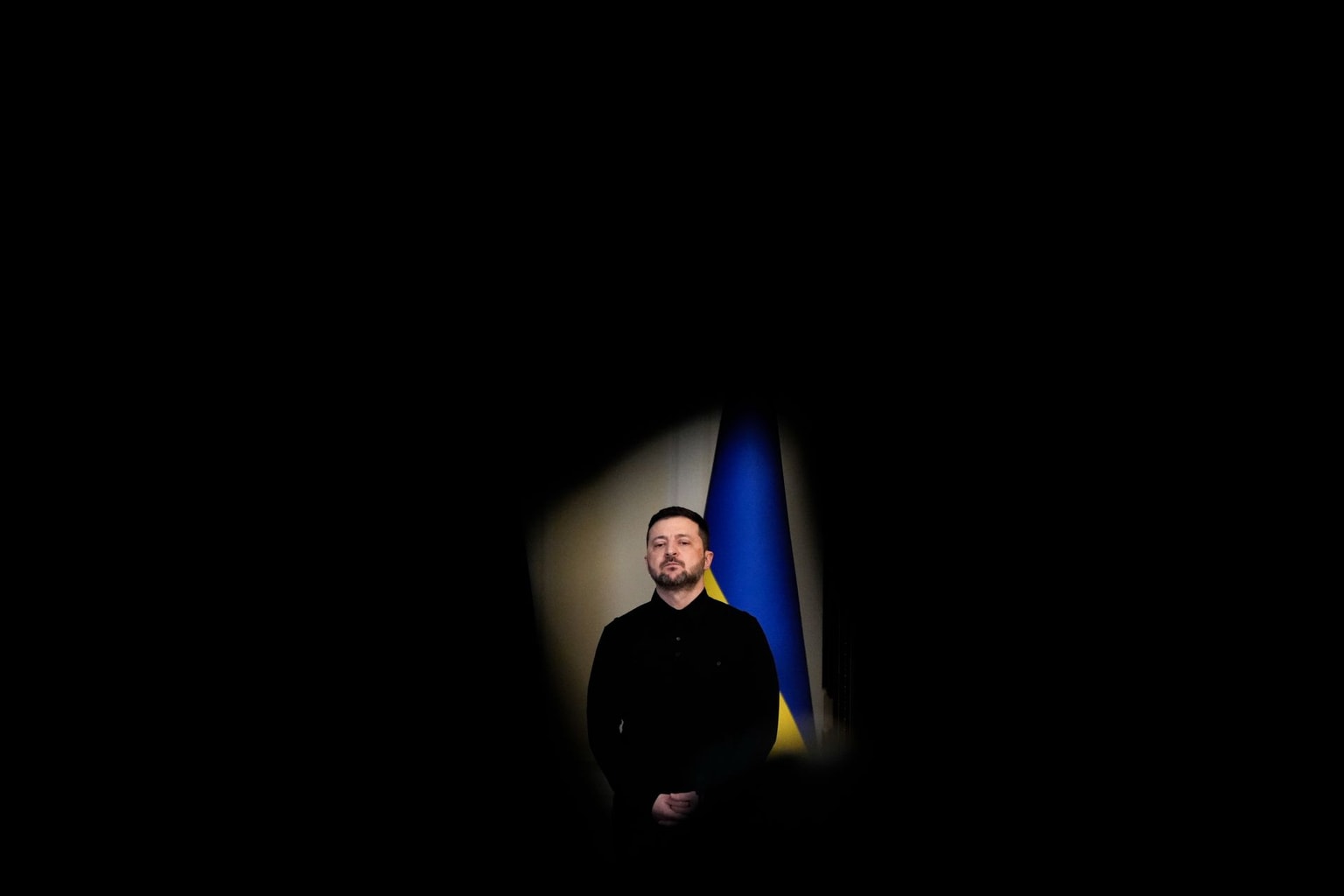
Lithuania warns against 'hollow' Article 5-like guarantees for Ukraine
 on Google
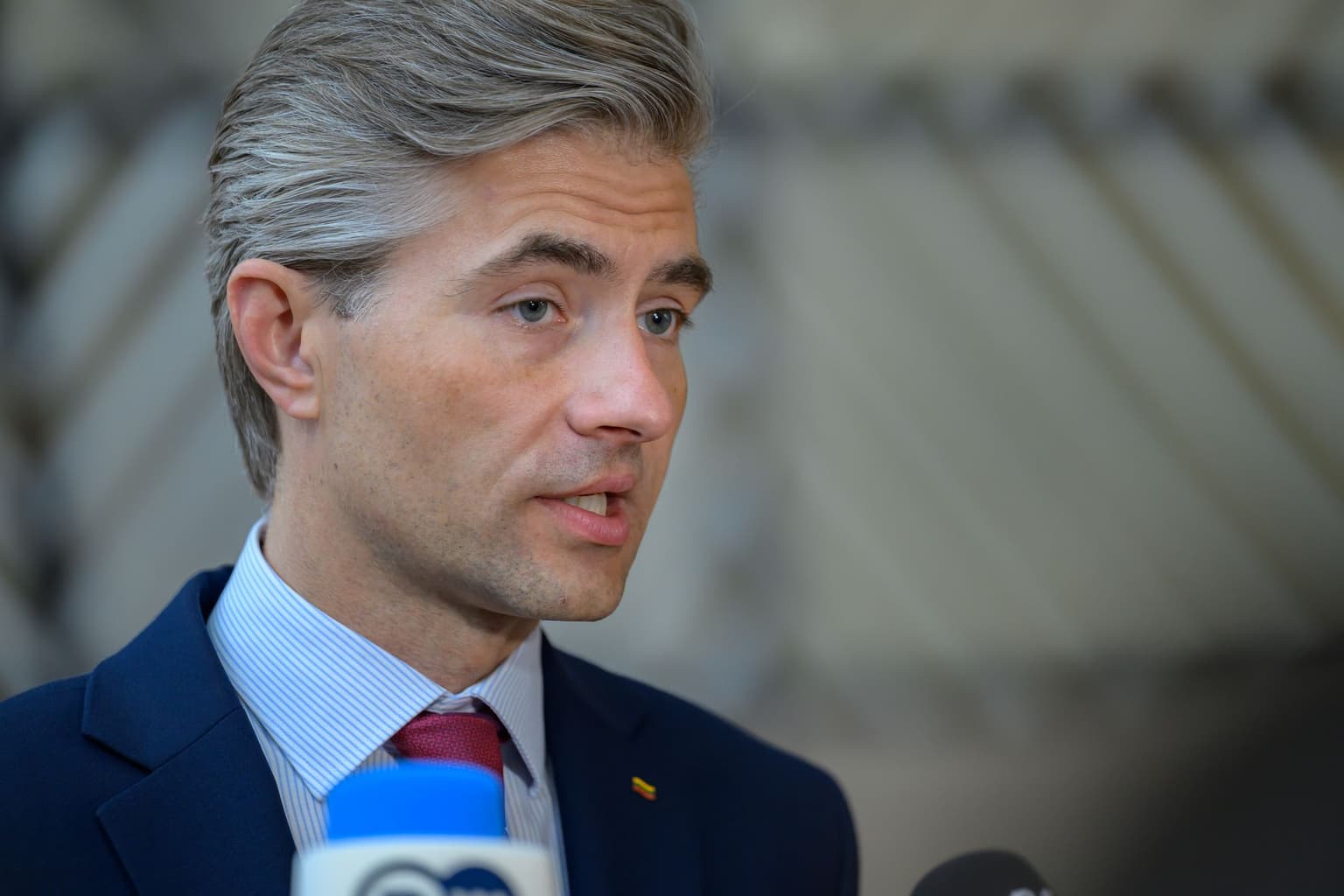
Lithuanian Foreign Minister Kestutis Budrys on Feb. 14 dismissed the concept of "Article 5-like" security guarantees that Ukraine is negotiating with the West, urging realistic solutions instead of "hollow" promises.
"There can be nothing similar to Article 5… Because Article 5 means that if you are in trouble, I promise you that I will come and if it is needed, I will die for you," he told the Kyiv Independent in an interview on the sidelines of the Munich Security Conference.
Any other approximations are mere "rhetorical expressions," according to Lithuania's chief diplomat.
Blocked from full NATO membership, Ukraine has been negotiating with Western partners for post-war security guarantees modeled on NATO's Article 5 mutual defense clause, aiming to deter future Russian aggression.
NATO's Article 5 states that an attack against one member is an attack against all, and that allies vow to provide assistance, including through military means.
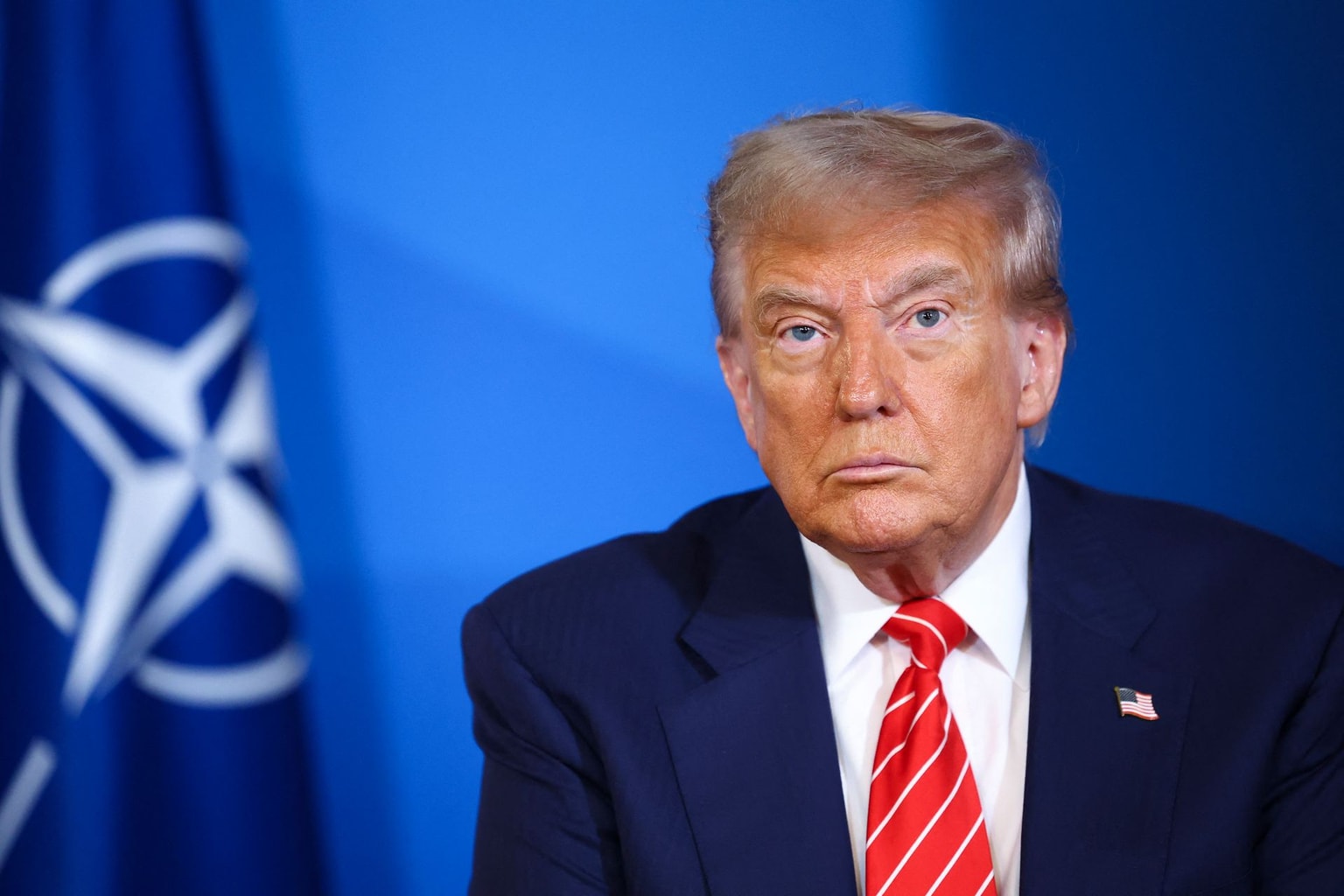
The Trump administration has signaled its readiness to provide such assurances to Ukraine as part of peace talks, sparking debate over their reliability and whether they could weaken NATO's credibility.
"Real security guarantees mean forces that are coming to support Ukraine. If not, then there are other measures," Budrys said, naming future EU membership or financial support for the Ukrainian Armed Forces as more realistic options.
To ensure a just and lasting peace in Ukraine, Kyiv's partners must "invest in this process" and "avoid hollow structures and some fake agreements and guarantees," the minister added.
Politico reported earlier in February that Finnish Foreign Minister Elina Valtonen urged U.S. officials to avoid comparing any bilateral agreements to be signed with Kyiv to Article 5, so as not to conflate the two.
Finland, which joined NATO in 2023, shares a 1,340-kilometer (830-mile) border with Russia, while Lithuania neighbors Russia's heavily armed exclave, Kaliningrad, and Moscow's ally, Belarus, putting both allies at the forefront of a potential conflict.
U.S. President Donald Trump, who has often lambasted European allies and aggressively pushed for the annexation of Greeland, acknowledged on Jan. 9 that his commitment to Ukraine's future defense hinges on his belief that Russia would not invade again.
Talks on security guarantees continue as U.S., Russian, and Ukrainian officials are set to meet again in Geneva on Feb. 17-18.
While President Volodymyr Zelensky called for 20-year-long security guarantees to be signed before a peace agreement, Washington has been reluctant to sign off on any assurances so far, pushing for a quick peace deal first.