Lithuania allocates $38 million to buy shells for Ukraine via Czech initiative
 on Google

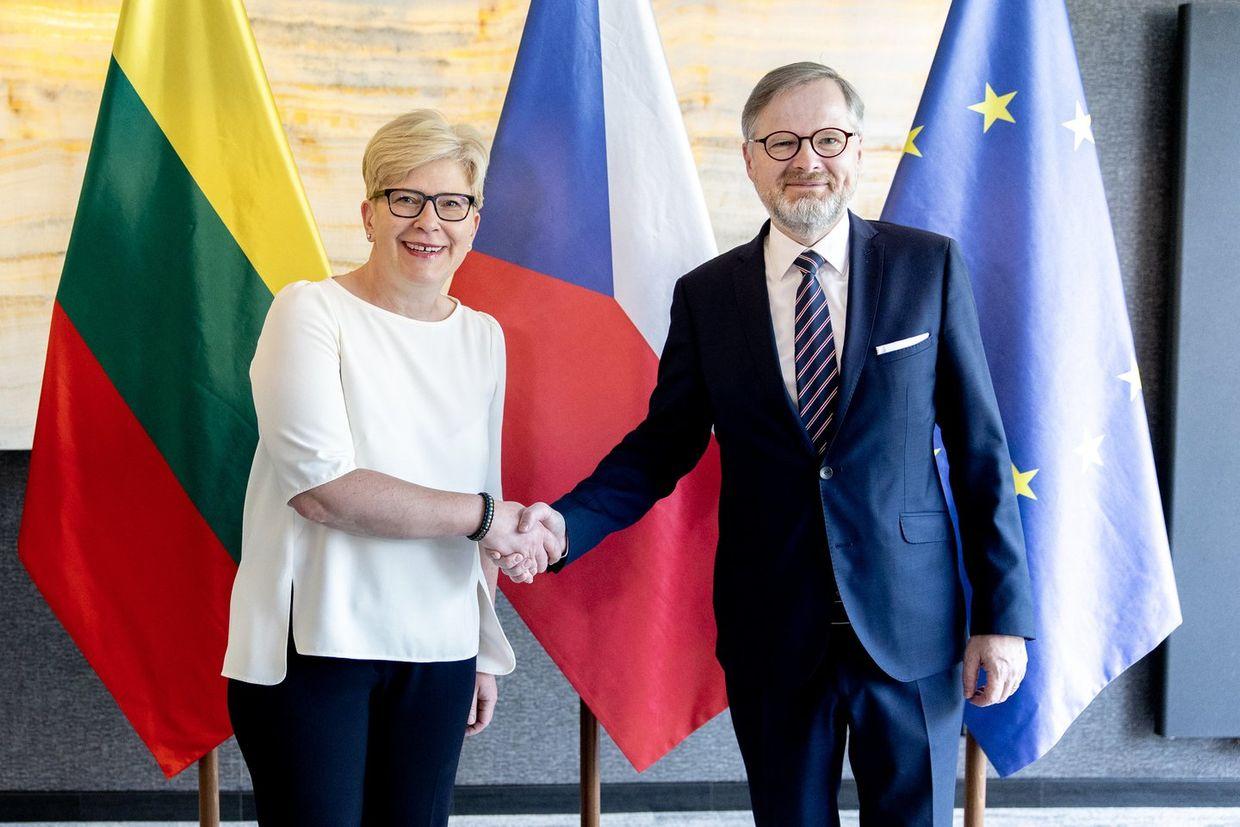
Lithuania had pledged 35 million euros (around $38 million) for the Czech initiative to buy artillery shells for Ukraine, Lithuanian Prime Minister Ingrida Simonyte said on March 20.
Czech President Petr Pavel said in February that Prague had identified 500,000 155 mm shells and 300,000 122 mm shells outside of Europe that could be bought and sent to Ukraine after the necessary funds were allocated to the initiative.
Artillery shells are a crucial capability for Ukraine as the country faces critical ammunition shortages. Delays in U.S. military assistance, caused by disputes in Congress, have already had a direct impact on the battlefield, contributing to the loss of the key front-line city of Avdiivka.
"Lithuania will contribute to all the international efforts that bring Ukraine closer to her and our victory," Simonyte said on X.
Vilnius announced its intention to join Prague's efforts already on March 4, but the exact size of the commitment has not been known until now.
Czech Prime Minister Petr Fiala said on March 12 that the initiative has already secured the purchase of 300,000 shells and received nonbinding commitments for 200,000 more.
According to Fiala's security advisor, Tomas Pojar, the rounds could start flowing to Ukraine by June.