Russia's withdrawal from Ukraine condition for easing EU sanctions, commission says
 on Google
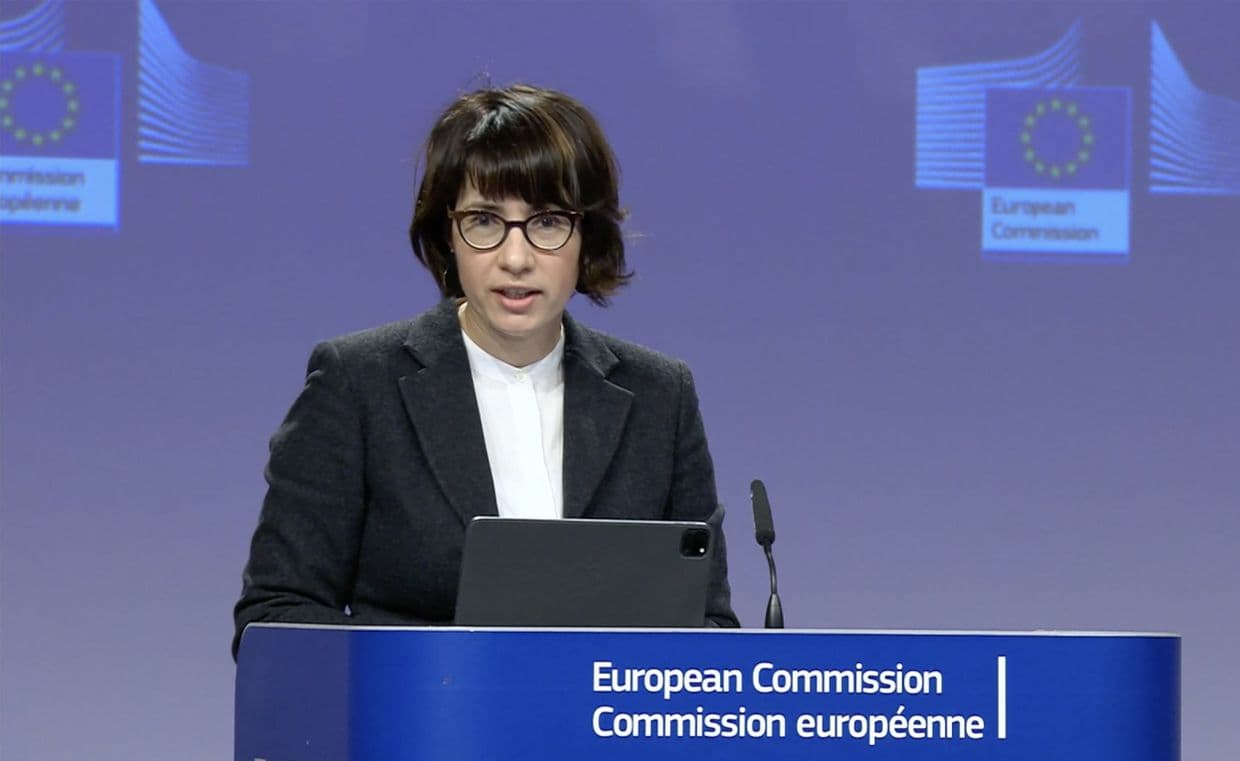
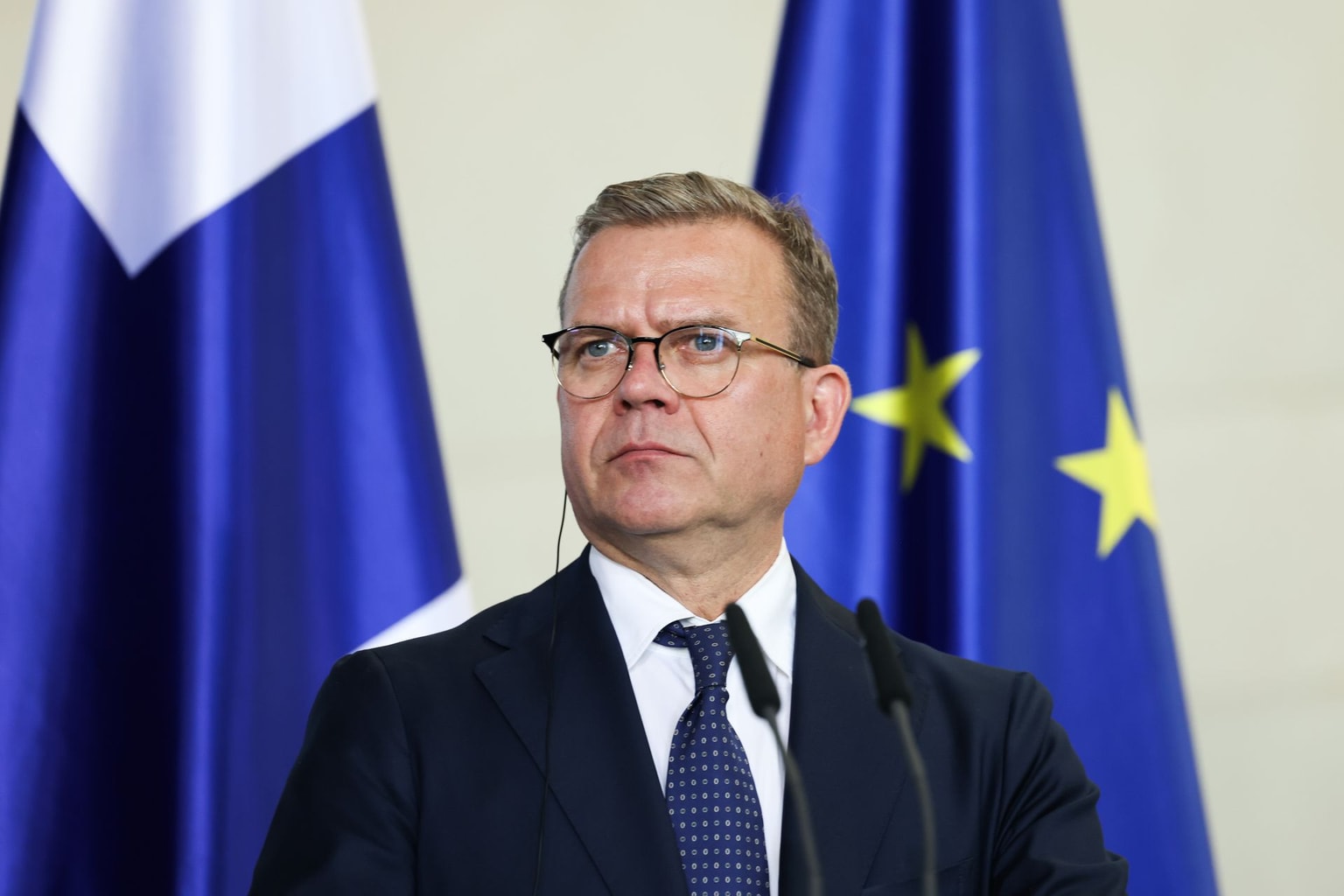
Russia's "unconditional withdrawal" from Ukraine is one of the main preconditions for changing or lifting EU sanctions, European Commission spokesperson Anitta Hipper told Ukrainian media outlet Suspilne on March 26.
Hipper's statement follows Russia's demand that Western sanctions on its agricultural exports be lifted before implementing a ceasefire in the Black Sea.
The spokesperson emphasized that EU sanctions do not target Russia's agricultural trade, including food, grain, and fertilizers, with third countries. She reiterated that lifting sanctions would require Russia to withdraw fully from Ukraine.
Following two days of talks in Riyadh, on March 25, Ukraine, Russia, and the U.S. agreed to implement a ceasefire in the Black Sea and a ban on strikes against energy infrastructure. Unlike Russia, Ukraine and the U.S. did not directly link the deal to sanctions relief.
Washington has agreed to help facilitate Russian food and fertilizer exports by lowering maritime insurance costs and enhancing access to global ports and payment systems. U.S. President Donald Trump previously said that Washington is "looking at" the possibility of lifting some sanctions on Russia to secure the Black Sea ceasefire.
Moscow insists that the Black Sea ceasefire will take effect only if the West lifts sanctions on Rosselkhozbank and other financial institutions linked to food trade, restoring their access to the SWIFT payment system.
The Kremlin is also demanding the removal of sanctions on Russian food producers, exporters, and Russian-flagged cargo vessels involved in agricultural trade.
The EU's sanctions framework includes economic restrictions on over 2,400 individuals and entities tied to Russia.