Last Seen in Crimea: Kyiv Independent documentary investigates Russia's secret detention system for Ukrainian civilians
 on Google
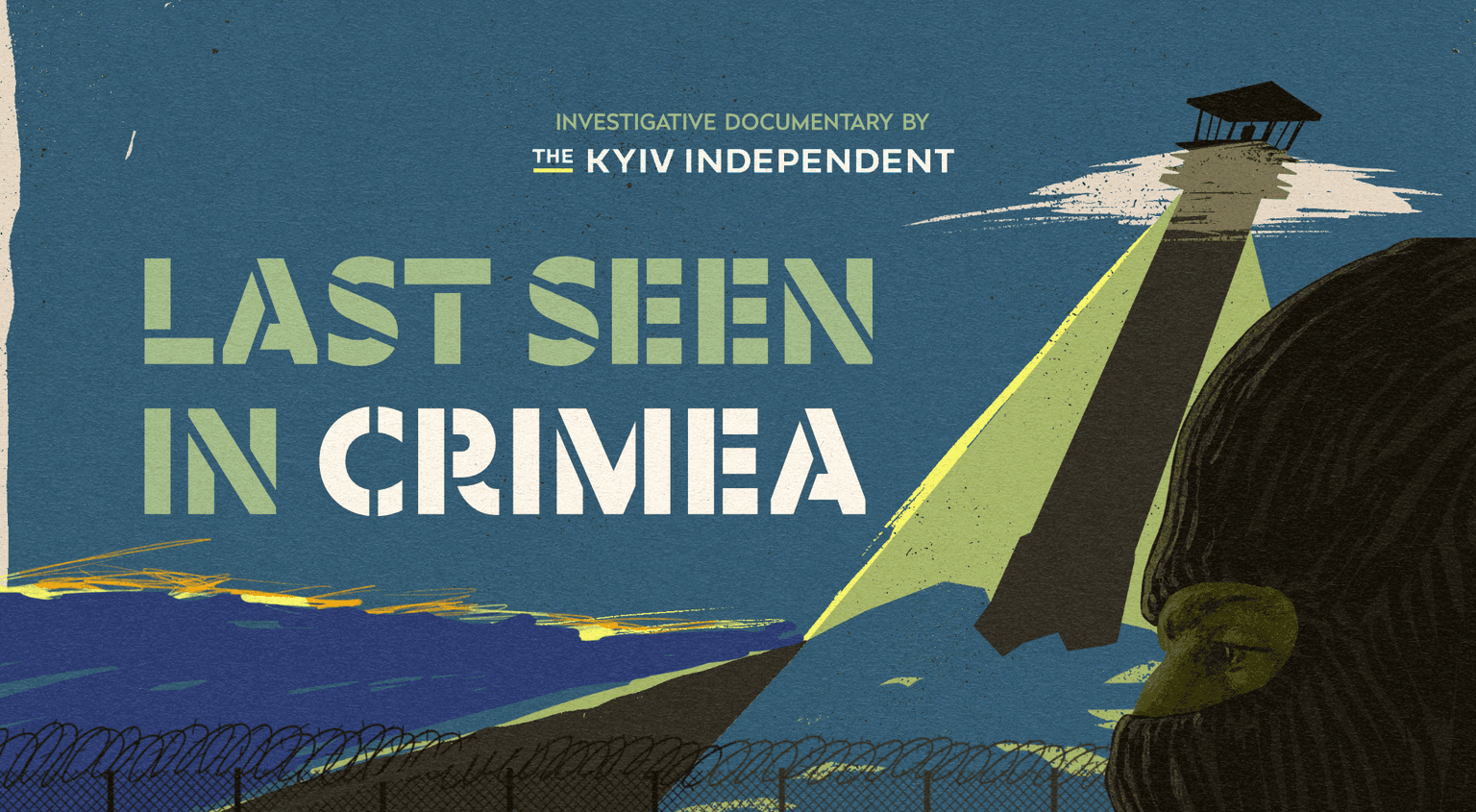
The Kyiv Independent's War Crimes Investigations Unit has released Last Seen in Crimea, a new documentary investigating a system of detention in Russian-occupied Crimea where Ukrainian civilians have been held without contact with the outside world, often without formal charges, and subjected to torture and other forms of abuse.
The documentary was released online on Sept. 11, on the Kyiv Independent's YouTube channel and website. An in-person screening was held in Kyiv on the same day at the National Museum of the History of Ukraine in the Second World War, followed by an audience Q&A with the Kyiv Independent team.
The investigation traces how Russia's system of political repression in Crimea, built up since the 2014 occupation, has expanded to include civilians taken from territories occupied after Russia's full-scale invasion of Ukraine.
At the center of the film are two detention facilities in Crimea's capital of Simferopol — SIZO No. 2 and the more secretive SIZO No. 8 — as well as the officials and structures behind them.
The Kyiv Independent's reporting found evidence that SIZO No. 2, formally operated by Russia's Federal Penitentiary Service, has been used to hold Ukrainian civilians under conditions that former detainees describe as abusive and coercive, with Federal Security Service (FSB) personnel having particular access to the facility.
SIZO No. 8, meanwhile, was formally transferred under FSB control in 2026 and has remained largely closed to public scrutiny. The investigation also identified Anton Panin, a former FSB investigator involved in the politically motivated case against Crimean Tatar activist Nariman Dzhelyal and his co-defendants, as the apparent head of SIZO No. 8 shortly before the facility came under FSB control.
"For us, one of the key goals of this investigation was to identify the individuals directly responsible for the unlawful detention, ill-treatment, and torture of Ukrainian civilian detainees in the occupied territories," says film author Olesia Bida.
"Systems like this do not operate on their own — they depend on those who run them and those who carry out their orders."

One of the survivors featured in the film, Anatolii, a businessman from Kherson Oblast,, was abducted from his home after helping wounded Ukrainian soldiers escape Russian-occupied territory. He spent years being moved between makeshift detention sites and prisons before being taken to SIZO No. 2 in Simferopol, where he was tortured and held in abusive conditions. His family did not know whether he was alive for months.
The documentary also follows Dzhelyal, a Crimean Tatar activist who spent five months in SIZO No. 2 after being detained in 2021 and accused of sabotage. He was later sentenced to 17 years in prison before being released in a prisoner exchange and is now Ukraine's ambassador to Turkey.
A third story follows Tetiana Zelena, whose brother Serhii Lykhomanov was detained in Crimea in December 2023. His family spent two months trying to establish where he was being held before learning that he was in SIZO No. 8. His lawyer was denied access to him even after a court authorized a visit.
Together, the stories show how the system operates across different stages of detention: people can disappear without their families knowing where they are, be held without meaningful access to legal representation, and in some cases remain outside any formal legal process altogether.
Human rights experts interviewed for the film describe this status as incommunicado detention — people held without charges, court decisions, or contact with the outside world.
For the investigation, the Kyiv Independent interviewed 13 former detainees of SIZO No. 2 and obtained testimony from three additional former detainees through their lawyers. The team also spoke with around two dozen relatives of Ukrainian civilians who remain in detention. Because many of those still held are unable to speak publicly, some relatives requested anonymity for the safety of the detainees.
The investigators also cross-referenced leaked Russian databases, procurement records, court and other documents, and social media activity to identify people involved in the detention system. This reporting helped the team trace the career of Panin, who had previously worked as an FSB investigator and was later linked to the administration of SIZO No. 8.
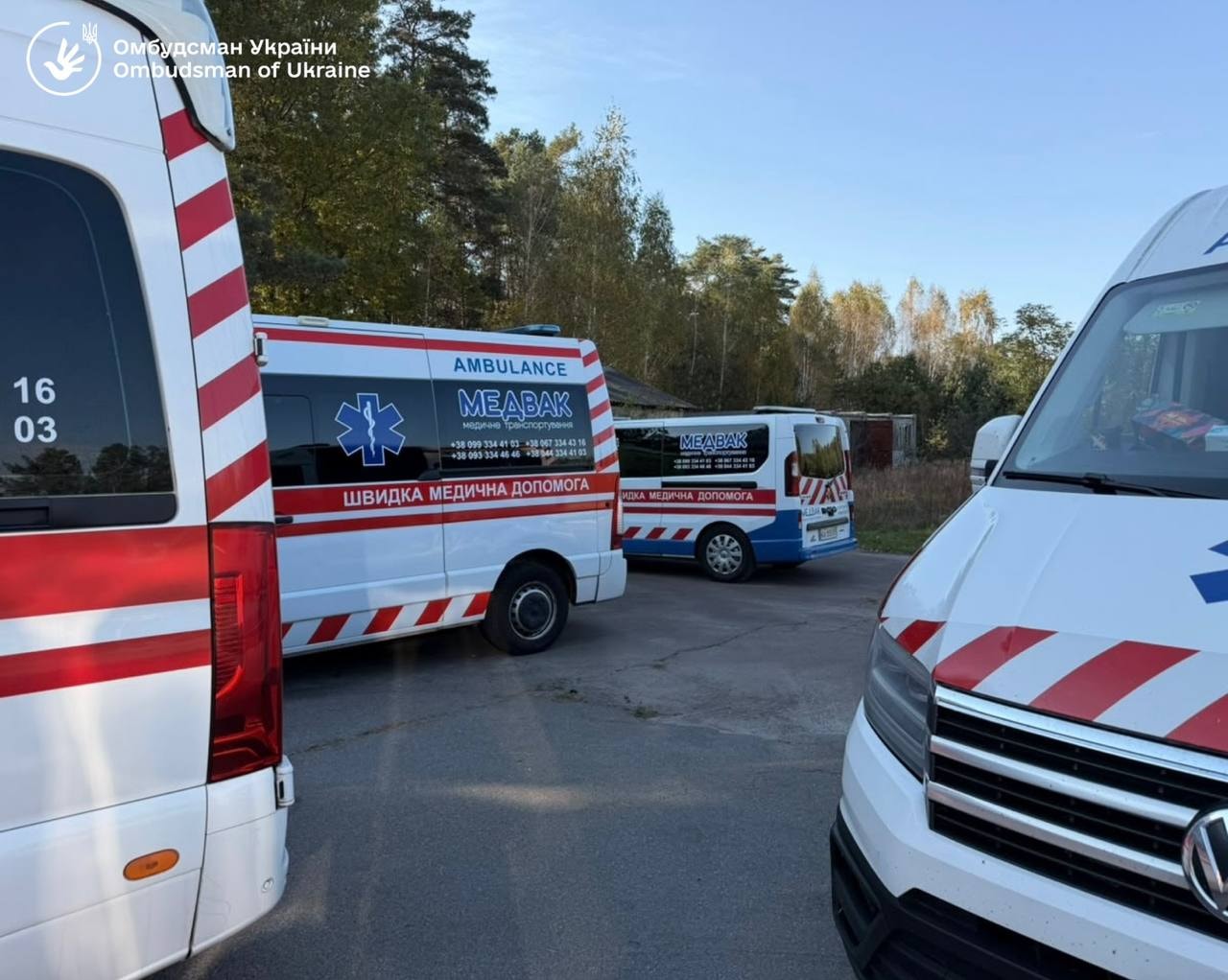
The scale of the system extends far beyond the people featured in the film. According to Ukraine's Ombudsman Dmytro Lubinets, Russia is holding roughly 16,000 Ukrainian civilians across some 200 detention sites in Russia and occupied Ukrainian territories.
Only around 450 had been returned home at the time of the film's release. Unlike prisoners of war, Ukrainian civilian detainees do not have a functioning exchange mechanism. The U.N. Human Rights Monitoring Mission in Ukraine has also documented deaths of Ukrainian civilians in Russian captivity.
The documentary can be watched on the Kyiv Independent's YouTube channel and website, alongside the full written investigation, Inside Russia's FSB prison system in occupied Crimea, by Bida, a War Crimes Investigations Unit reporter and the film''s author.
Last Seen in Crimea is the latest documentary from the Kyiv Independent's War Crimes Investigations Unit, founded in 2023 to document Russian atrocities against Ukrainian civilians. Over three years, the unit has produced more than a dozen documentaries, held more than 90 screenings worldwide, and received multiple journalism awards, including an IRE Award.
Readers who want to support further investigations like this one can join the Kyiv Independent community.

The team behind Last Seen in Crimea:
Author Olesia Bida
Director Maksym Yakobchuk
Video Editor Dmytro Chaika
Journalist & Researcher Myroslava Chaiun
Cinematographers Oleh Halaidych, Liza Pyrozhkova, Nikita Petrenko, Mykola Lebediev, Max Salii
Executive Producer Anastasiia Mozghova
Line Producer Lera Zaherst
Head of War Crimes Investigations Unit Yevheniia Motorevska
Editor-in-Chief of the Kyiv Independent Olga Rudenko