'Only on Russia's terms' — Kremlin criticizes US proposals on economic deals
 on Google
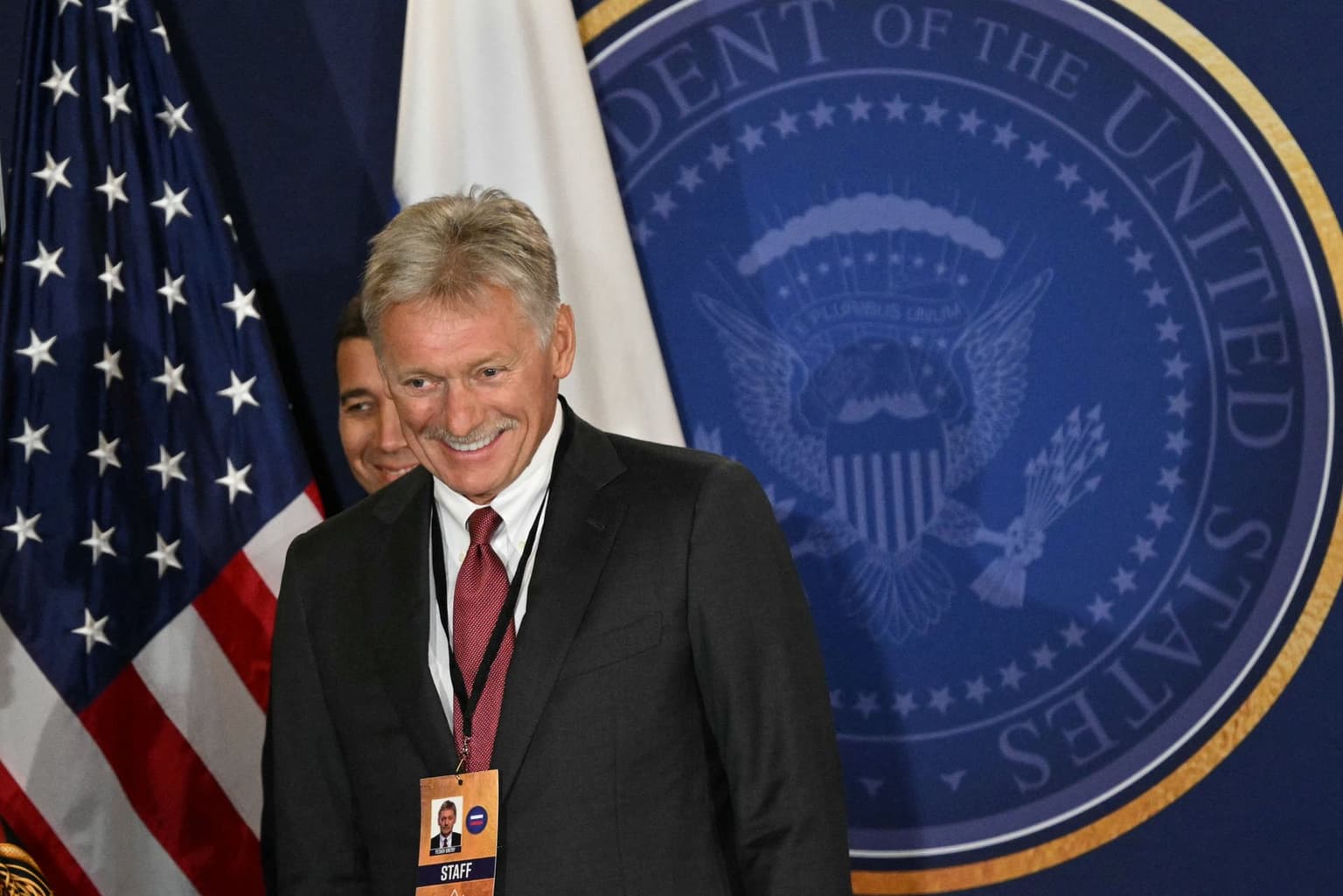
Kremlin spokesperson Dmitry Peskov criticized Washington on March 27 for tying potential U.S.-Russia economic cooperation to progress in negotiations to end Moscow's war against Ukraine.
His remarks come as Russia continues to promote large-scale economic cooperation with the U.S. while negotiations to end the war remain stalled over Moscow's maximalist demands.
"The U.S. side is linking the entire situation to the resolution of the conflict in Ukraine," Peskov said during a daily briefing. "We believe this is wrong and that it harms our interests — and not just ours, but also the interests of American companies."
Russian envoy Kirill Dmitriev, who is involved in economic discussions with U.S. President Donald Trump's envoys, said on March 26 that Moscow holds a strong position in talks.
"Russia holds the strongest position and possesses the most powerful resources," Dmitriev told Russian state media. "Everything will be done only on Russia's terms."
Dmitriev previously said on Feb. 18 that lifting sanctions could unlock joint projects between Russia and the U.S. worth more than $14 trillion. The proposal has drawn scrutiny in Kyiv, where officials fear economic incentives could be tied to concessions in negotiations.
President Volodymyr Zelensky said on Feb. 6 that Ukrainian intelligence had briefed him on what he described as a roughly $12 trillion framework for potential U.S.-Russia economic cooperation.
Reports indicate Moscow is seeking sanctions relief, including restoration of access to dollar-based payment systems, long-term contracts for American aircraft, and joint projects in energy and mining.
Proposals reportedly also include cooperation in nuclear energy and expanded extraction of lithium, copper, nickel, and platinum, as well as joint ventures in hard-to-recover oil production.
Russia has signaled that U.S. companies could receive preferential treatment if they return to the Russian market and that previous American investments could be considered in compensation discussions following Western corporate exits after the full-scale invasion.