Ukraine's wartime action thriller 'Killhouse' reaches global audience on Netflix
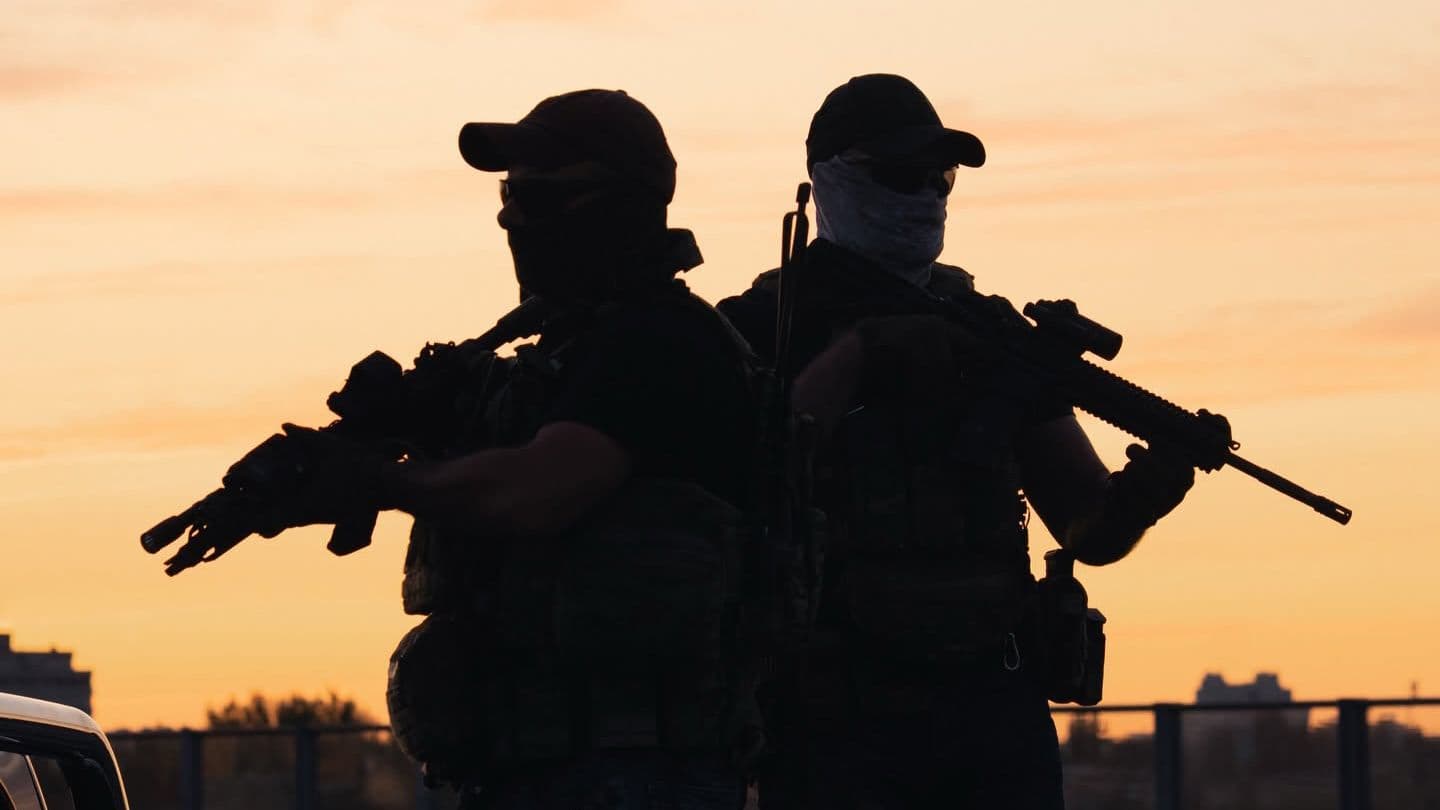
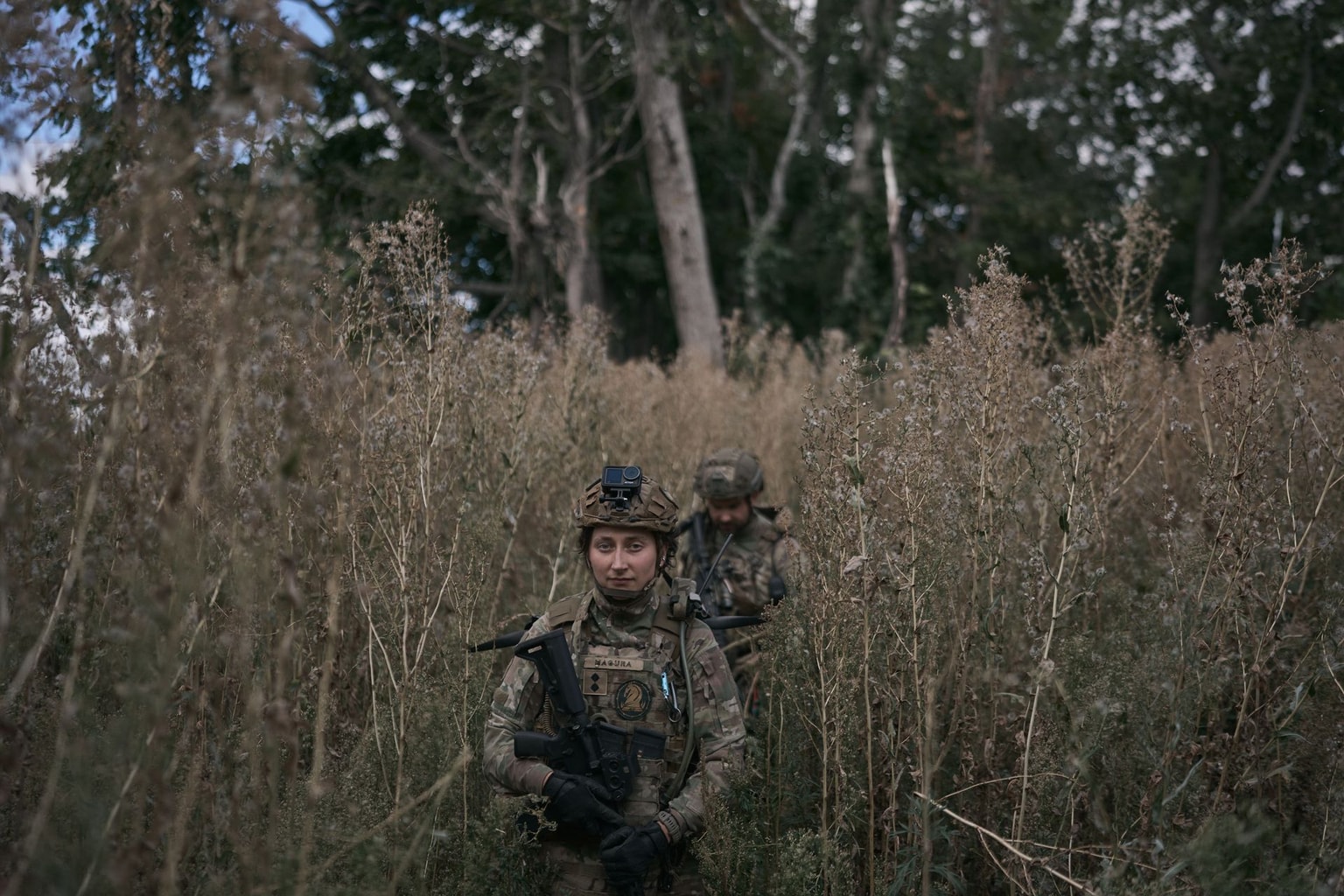
A pair of soldiers stand back-to-back as they hold their rifles in an undated photo. (Killhouse / Facebook)
 on Google
Ukraine's new action film "Killhouse" is set to reach a global audience, hitting the Netflix streaming platform on June 26 in Ukraine, with international distribution planned for autumn.
Few scenes hit as hard in "Killhouse" as when Ukrainian soldiers decide to launch a high-risk mission to rescue a near-death civilian from the gray zone, a territory sandwiched between Ukrainian and Russian lines.
In the film, the Russian commander watching them from his position assumes that the civilian being rescued must be of extraordinary importance. For the Ukrainian soldiers risking their lives, however, the reason is far simpler: one of their own needs help, and that alone is enough.
Partly inspired by real events, Lyubomir Levitsky's "Killhouse" begins with a civilian couple who venture into the gray zone to rescue their daughter, who has been kidnapped and taken to Russian-occupied territory. The occupation authorities running the so-called "summer camp" where she is being held promise her parents they'll release her in exchange for a ransom and an in-person pickup. After receiving little practical assistance from international organizations, the couple decides to undertake the dangerous mission themselves.
Their attempt quickly turns into a nightmare when their vehicle comes under attack from a nearby Russian assault unit. Spotted by drone operators from Ukraine's Third Separate Assault Brigade, Ukrainian soldiers launch a rescue operation and save the couple. But their daughter ultimately falls into the hands of the very same Russian soldiers who attacked them, and the soldiers issue a chilling ultimatum: they will exchange the girl only for an American journalist embedded with Ukraine's International Legion. Faced with the choice of evacuating with a CIA extraction team or staying behind, the journalist must decide whether to trust Ukraine's military to save both her and the kidnapped child.
The film stands out because it highlights the bravery and resourcefulness of Ukraine's soldiers, but is careful not to glorify war. In a direct — and sometimes claustrophobic — way, it shows the real dangers soldiers face every day on the front lines. It also doesn't shy away from hard truths, showing that a single misstep can cost not just a soldier's own life, but the lives of those fighting alongside them. Watching this valiant portrayal of Ukraine's military, viewers can't help but be inspired by them.

What's largely — and notably — absent from this portrayal, however, is the depiction of female soldiers. Over 75,000 women currently serve in Ukraine's armed forces, with more than 5,500 on the front lines, according to Oleksandr Syrskyi, commander-in-chief of the Armed Forces, as of early March. Yet in "Killhouse," military life is depicted through an unmistakably hyper-masculine lens.
However, this omission hardly detracts from the film's ability to effectively portray the Ukrainian military's sense of duty, sacrifice, and the extraordinary lengths servicemembers will go to in order to save a life. One of the film's most gripping through lines is its persistent return to a single, pressing question: After losing so much, how does a person find the strength to carry on?
The answer to this question is perhaps best illustrated by the arc of one of the film's central figures, a drone operator known by the call sign Sid — it's his discovery of the couple in distress during a patrol flight that sets the film's events in motion. However, the film's lengthy flashbacks, which aim to explain why Sid was temporarily pulled back from front-line duty before the main story unfolds, sometimes bog down the pacing. Instead of letting viewers infer Sid's wartime trauma through more nuanced storytelling, the film chooses to spell out each formative moment, straying from the classic "show, don't tell" approach.
If "Killhouse" sometimes stumbles in its pacing, however, it more than compensates with its raw immediacy and a sense of conviction rooted in the real-life experience of wartime. In many ways, "Killhouse" distinguishes itself as an innovative — even postmodern — action film, pushing established boundaries and raising the bar with its approach to form. This includes its casting choices. While it's not unusual for war films to draw on real-life experiences, "Killhouse" takes this a step further by blurring the line between fiction and reality through its cast.
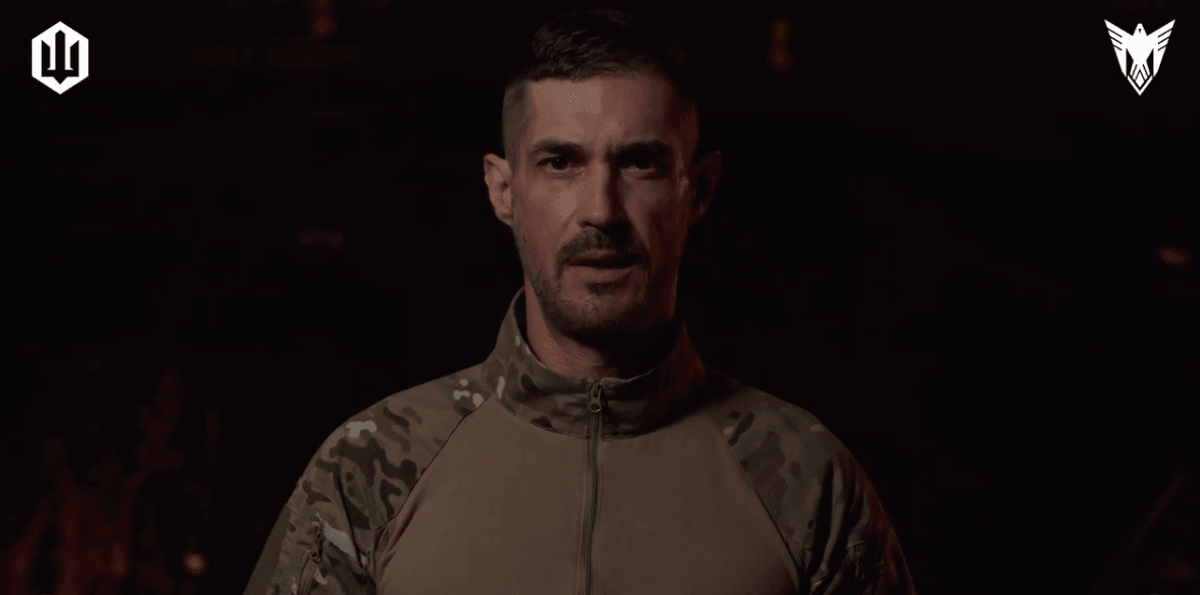
The film features actual participants from a range of backgrounds: American journalist Audrey Macalpine, for example, plays a fictionalized version of herself, while high-profile figures like Kyrylo Budanov, the former head of military intelligence (HUR), Vasyl Maliuk, the former head of Ukraine's Security Service (SBU), and Andriy Biletskyi, brigadier general of the Third Assault Brigade, appear as themselves. The cast also includes many active Ukrainian servicemembers performing alongside professional actors.
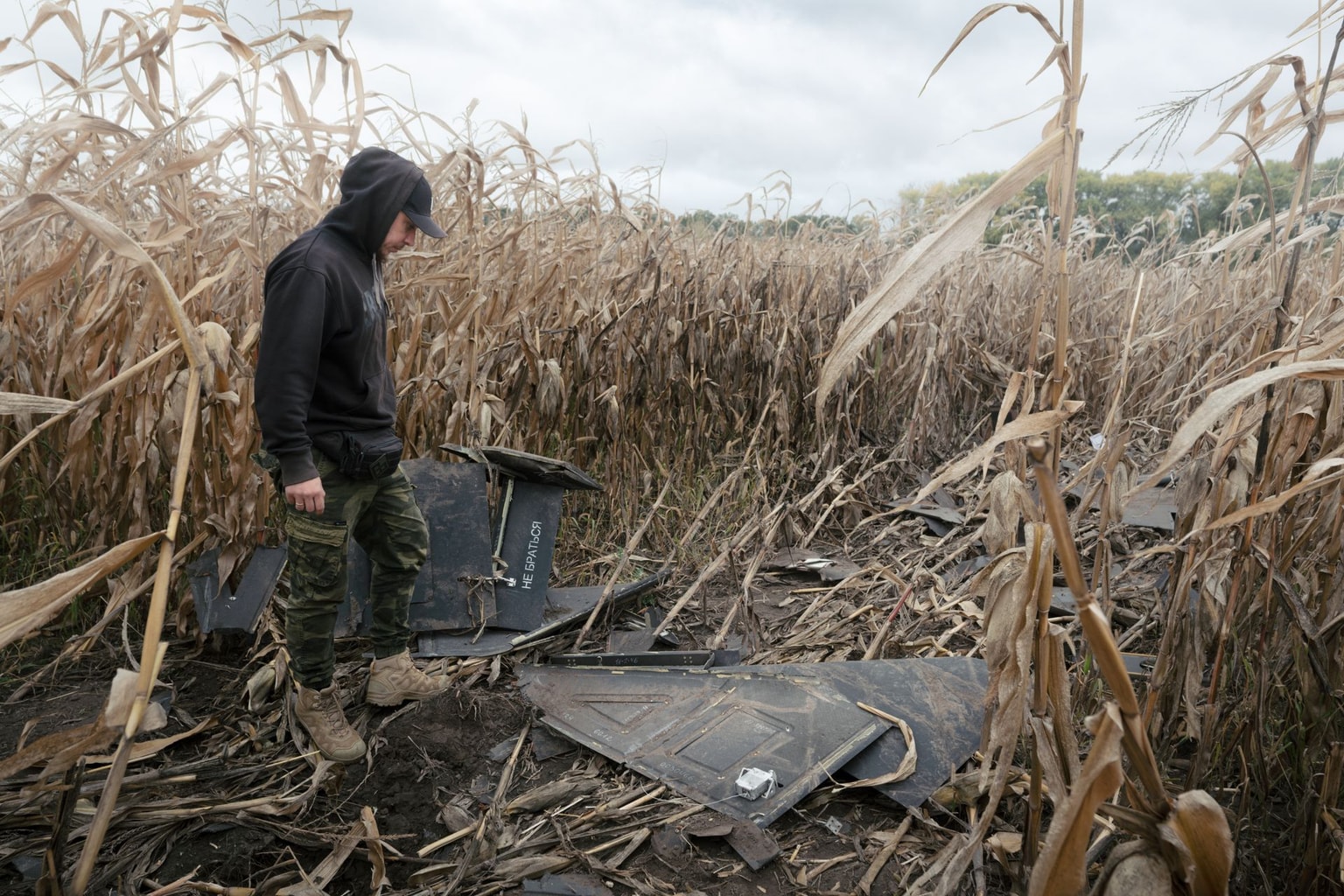
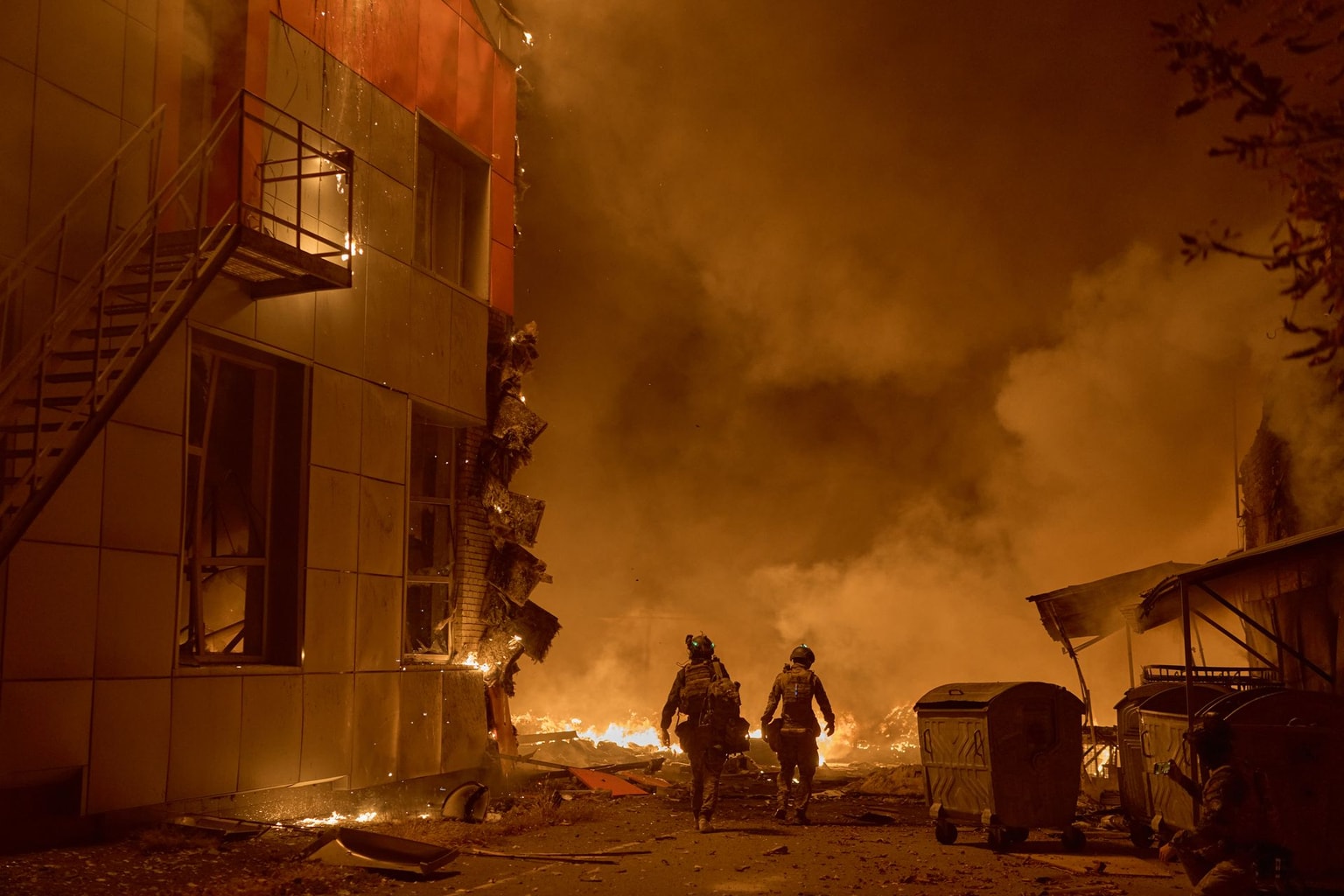
Unsurprisingly, the film also sets a new benchmark for cinematography, capturing the realities of a war increasingly defined by drone warfare. The visuals are both breathtaking, deeply immersive, and realistic. The filmmakers also highlight the versatility of FPV drones on the battlefield, including a scene where one is used to deliver a tourniquet and other supplies to save a life before soldiers can reach the wounded.
Some of the most gripping shots, other than the explosive battle sequences, can be attributed to subtle camera work — like a tense, quick shot that reveals just how close the kidnapped daughter's mother comes to stepping on a mine while fleeing Russian soldiers. It's in these moments that the film delivers a visceral sense of front-line fear, immersing viewers in the raw anxiety and unpredictability of war.
As Russia's war against Ukraine rages on, and as Ukrainians are forced to make difficult choices and perform extraordinary feats on a daily basis, the film serves as a powerful reminder that, even in the face of unimaginable loss, the value of human life endures as both the simplest and most urgent motivating force to continue fighting. Through its uncompromising lens, "Killhouse" captures the bravery of those living through Russia's war against Ukraine and insists that, amid the chaos and devastation, what truly matters is our capacity to hold onto our humanity.
Note from the author:
Hi, this is Kate Tsurkan—thank you for reading. Ukrainian cinema is thriving, and films like "Killhouse" are a perfect example of that. I hope my review inspires you to seek out and support Ukrainian filmmakers.
If you like reading about this sort of thing, please consider supporting The Kyiv Independent.