Iran seeking intelligence from Russia in war against US, CIA director says
 on Google
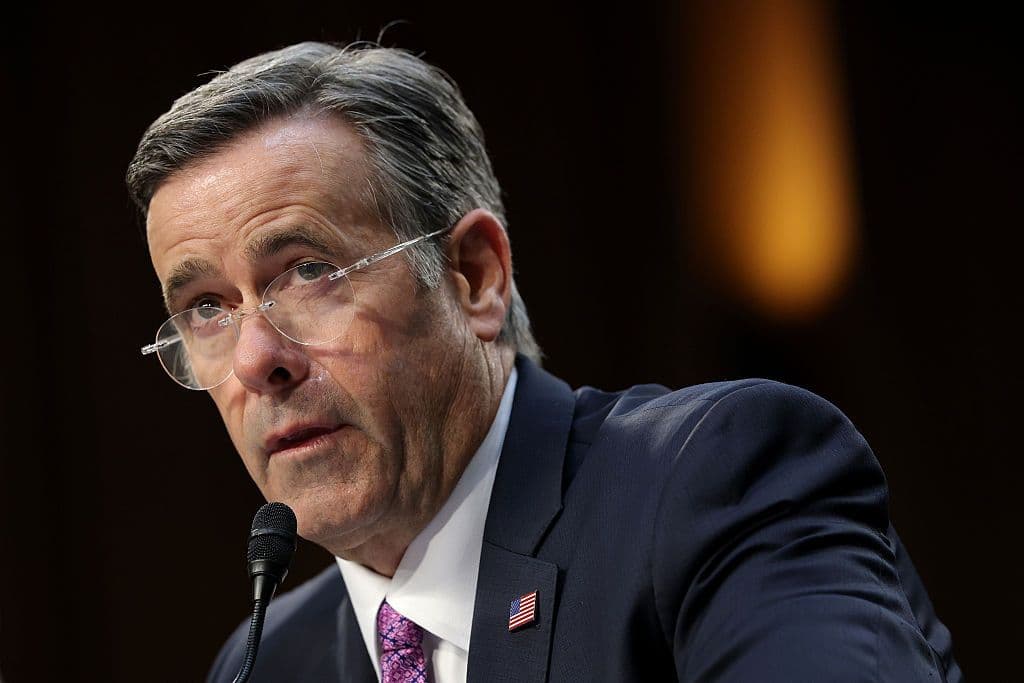
Iran is asking Russia to share intelligence on U.S. military assets in the Middle East, Central Intelligence Agency (CIA) Director John Ratcliffe confirmed during a congressional hearing on March 18.
Ratcliffe's comments follow multiple reports that Moscow has provided Tehran with information on the locations of U.S. military facilities, including ships and aircraft in the Middle East, amid the ongoing U.S.-Israel war against Iran. Russia has denied the allegations.
Special Envoy Steve Witkoff said that Russian President Vladimir Putin denied sharing any intelligence with Iran during a recent phone call with U.S. President Donald Trump.
"We can take them at their word," Witkoff said.
When asked about Witkoff's remarks during a Senate Intelligence Committee hearing on worldwide threats, Ratcliffe offered a different assessment.
"No, I don't take Vladimir Putin at his word," he said.
Ratcliffe confirmed that Iran is seeking intelligence assistance from Russia and other countries, but would not say publicly whether Moscow had provided the requested information.
"The Iranians are requesting intelligence assistance from Russia, from China, and from other adversaries of the United States, and whether or not those countries are is something we can talk about in the classified portion," Ratcliffe said.
U.S. National Intelligence Director Tulsi Gabbard also refused to share details on Russian intelligence sharing during the open session.
"What I can tell you is that, according to the Department of War, any support that Iran may be receiving is not inhibiting their operational effects," Gabbard said.
Gabbard's remarks are an apt summation of the Trump administration's response thus far to reports that Russia is helping Iran attack U.S. targets in the Middle East. Trump has been dismissive of the claims, saying that intelligence sharing would make no difference in Iran's ability to strike the U.S.
The U.S. has also temporarily eased sanctions on Russian oil transit in response to spikes in global energy prices brought on by its war against Iran. The move followed a decision to grant India a temporary waiver to purchase Russian crude already loaded on tankers at sea
Even before the sanctions were lifted, Russia had already begun to reap financial benefits from the U.S.-Israeli war against Iran. Moscow raked in an additional $6.9 billion in oil revenues during the first two weeks of fighting, according to an analysis by the Center for Research on Energy and Clean Air (CREA).
Trump has claimed that the U.S. will reimpose restrictions once the war ends — though no resolution is currently in sight.