on Google
The International Monetary Fund (IMF) approved on March 31 an agreement with Ukraine for four-year financing aid worth about $15.6 billion, part of an overall $115 billion package.
Around $2.7 billion will be immediately disbursed, the IMF wrote in its statement, to sustain economic and financial stability "at a time of exceptionally high uncertainty" in Ukraine.
Gita Gopinath, the IMF's first deputy managing director, said that despite the wartime conditions, Ukraine's government had managed to keep the economy stable enough for the new agreement.
"The authorities have nevertheless managed to maintain overall macroeconomic and financial stability, thanks to skillful policymaking and substantial external support," Gopinath said.
The creditor countries that supported the new agreement include Group of Seven nations, as well as Belgium, Lithuania, the Netherlands, Poland, Slovakia and Spain.
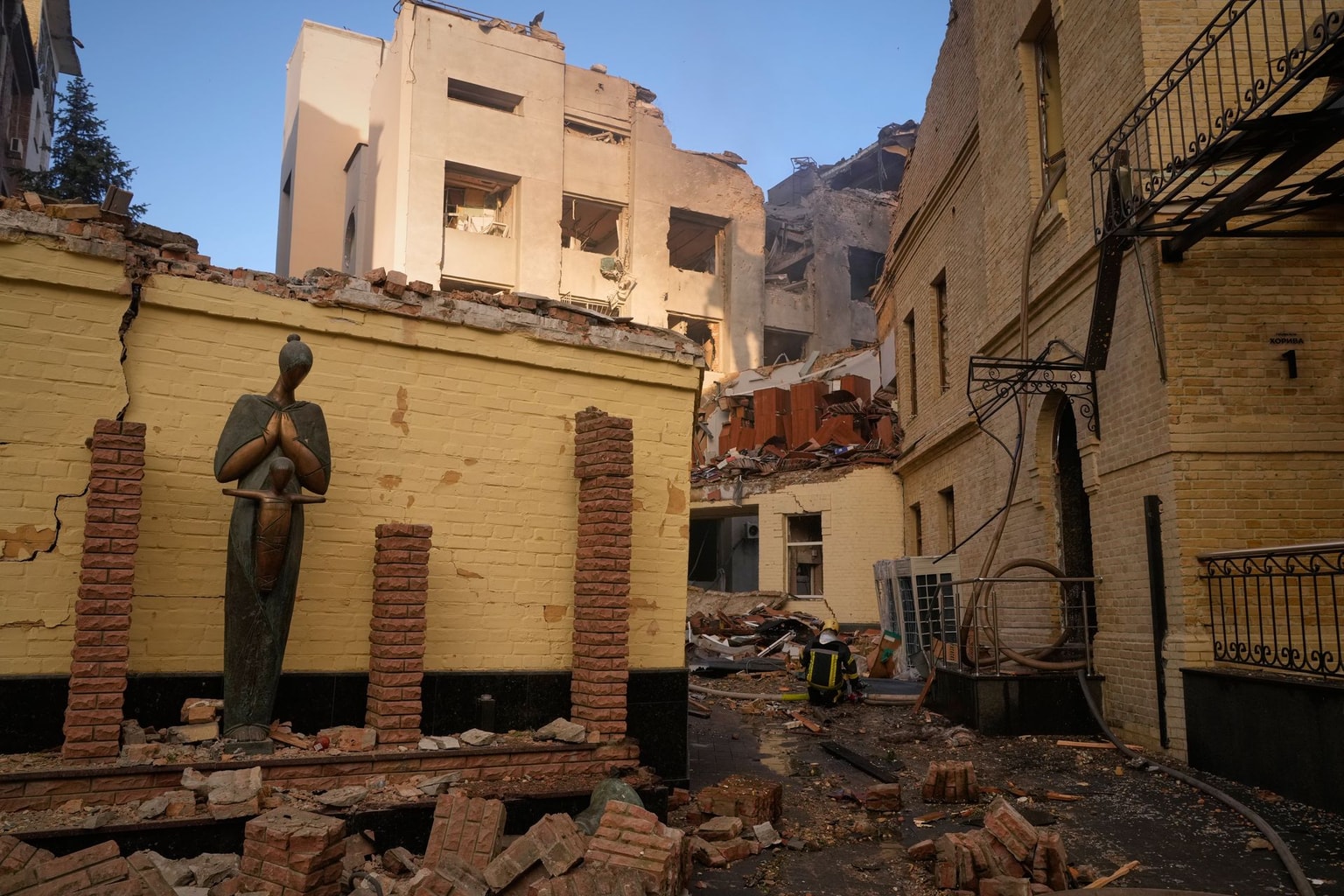
In early December, the World Bank estimated that the cost of Ukraine’s post-war reconstruction is upwards of 600 billion euros.
Following Russia’s continuous attacks on the country’s critical infrastructure since early October, the World Bank’s estimate of the cost of Ukraine’s post-war recovery increased by over 200 billion euros since June, when the forecast was set at 350 billion euros.