Hungary returns Ukrainian bank vehicles but keeps $82 million in gold, cash
 on Google
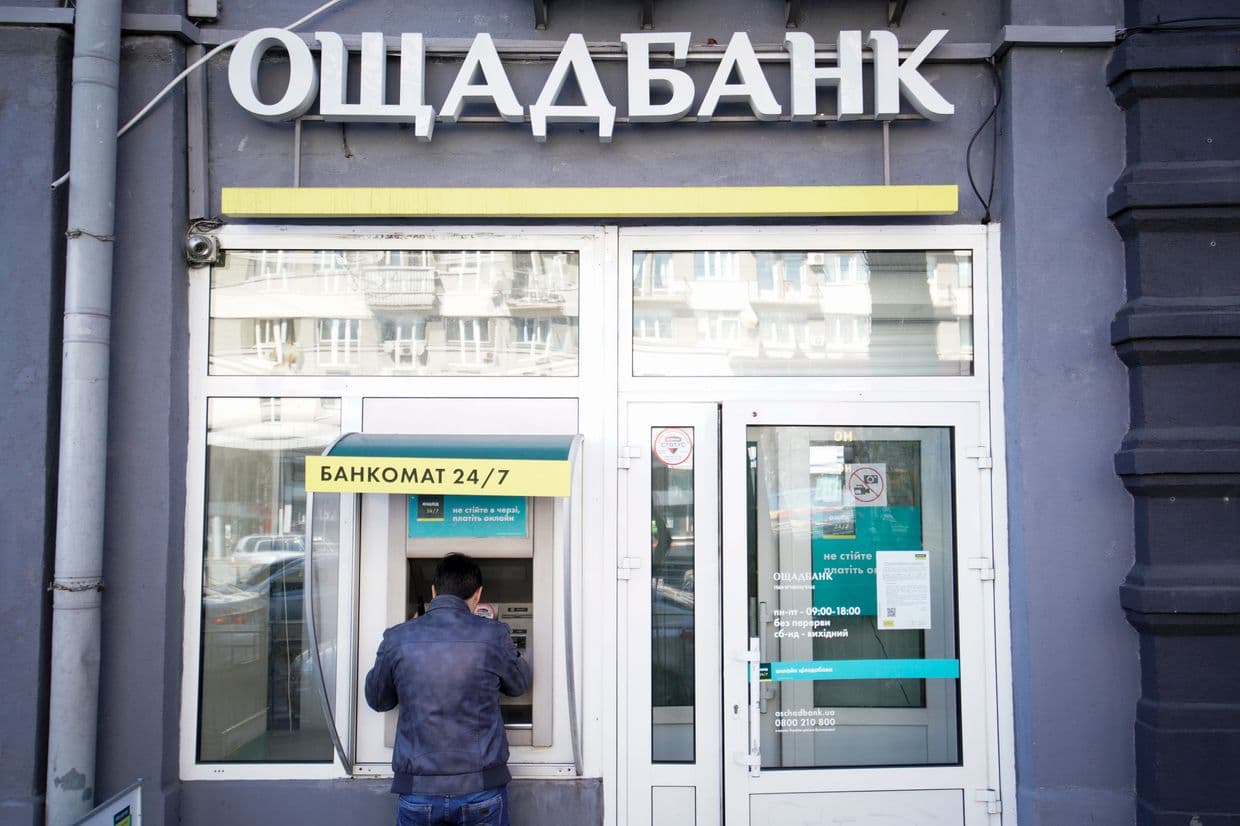
Hungary returned two seized armored bank vehicles to Ukraine on March 12 but is withholding cash and gold worth about $82 million, claiming it is investigating alleged money laundering — an accusation Kyiv denies and has condemned as theft.
The vehicles and other valuables belong to Ukraine's state-owned Oschadbank, which announced the return of the armored cars on social media. Hungarian authorities detained seven of the bank's employees on March 5 while they were transporting cash and gold from Austria to Ukraine.
The employees were released the following day, but Hungarian authorities kept the bank's property, including the vehicles, cash, and gold.
Oschadbank said March 7 it would pursue legal action to recover the assets still held in Hungary.
Hungarian officials initially said the employees were detained on suspicion of money laundering — allegations denied by both Ukraine and Oschadbank.

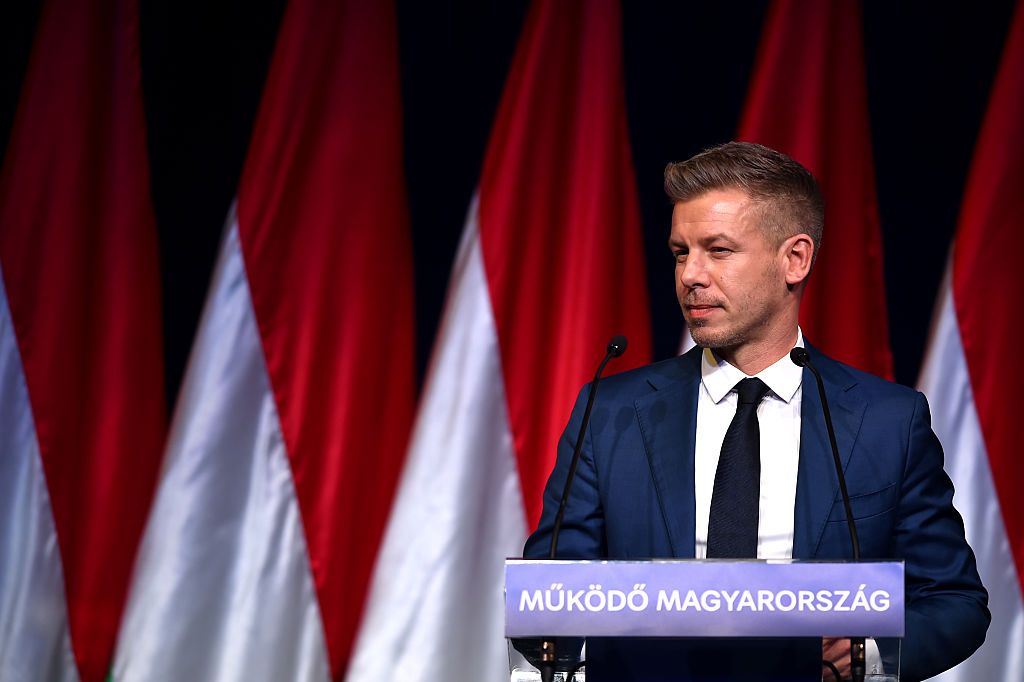
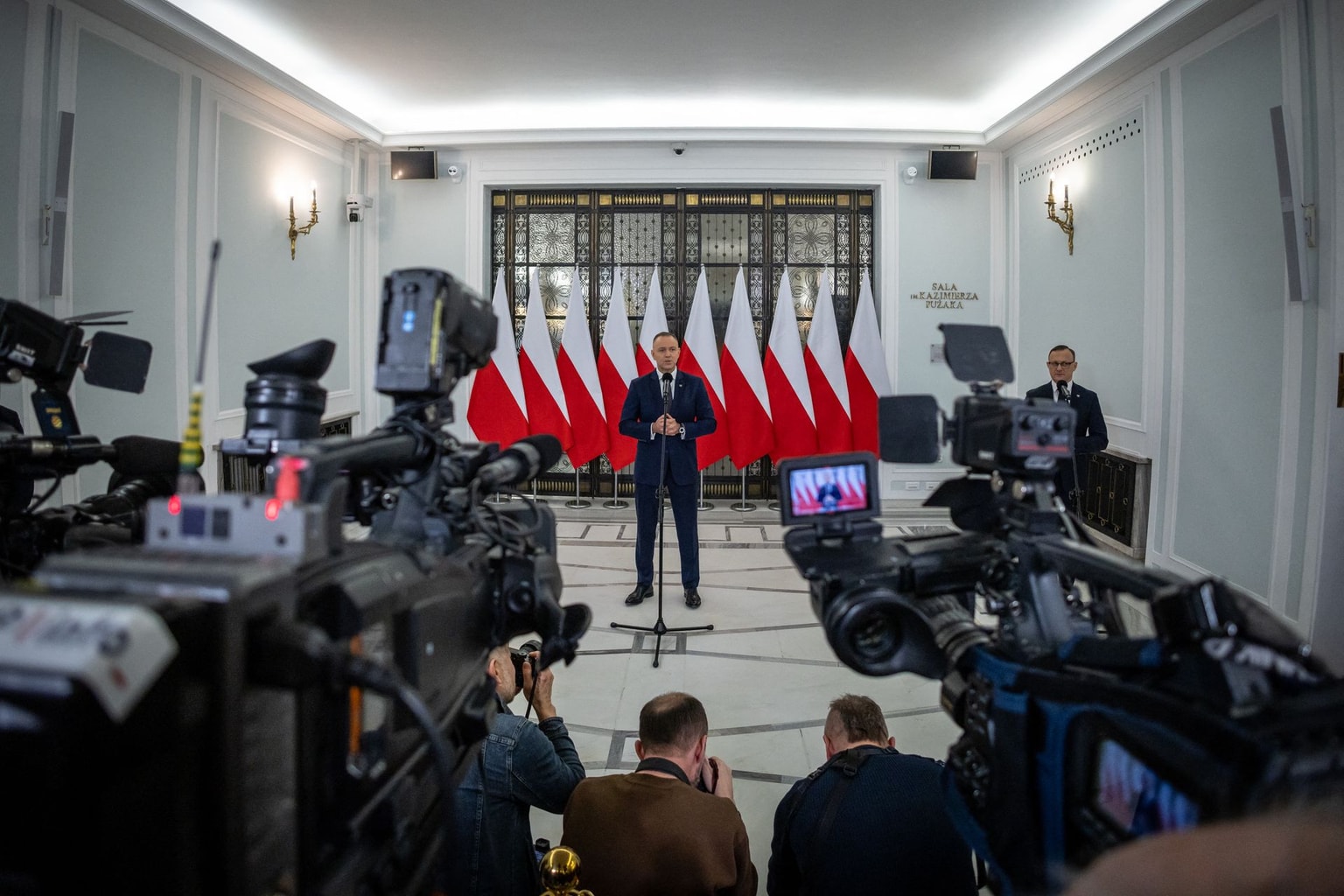
But Janos Lazar, a Hungarian minister, later acknowledged a connection between the seizure of more than $80 million in Ukrainian assets and the suspension of oil shipments via Ukraine to Hungary.
"We will not give the money back to (Ukraine); for now, the money will stay here," Lazar said. "We are waiting to see when the oil pipeline will reopen, and we are waiting for the next Ukrainian money transfers to pass through Hungary."
The dispute comes amid heightened tensions between Kyiv and Budapest, one of the European Union's most Moscow-friendly governments, over disruptions to Russian oil supplies through the Druzhba pipeline.
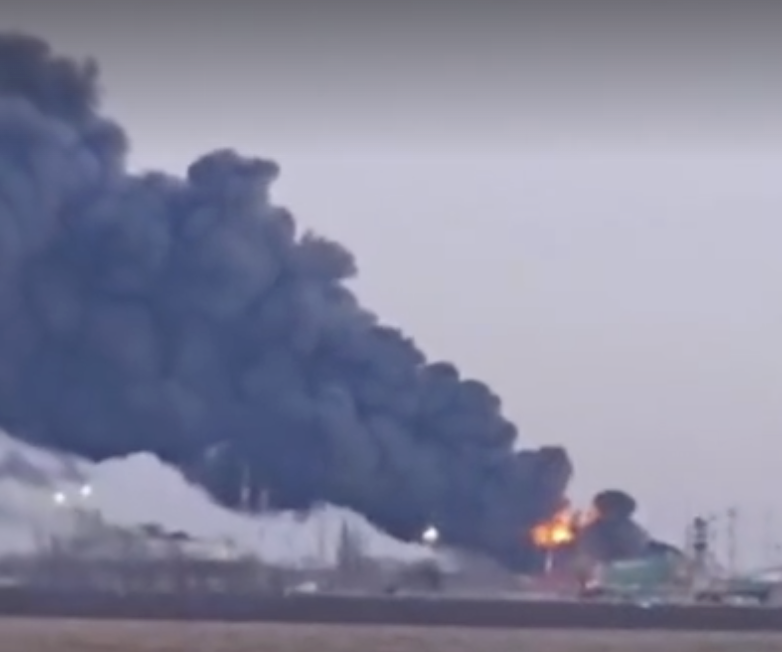
The Druzhba pipeline, which supplies Russian crude to Hungary and Slovakia, has been offline since late January after a Russian strike damaged energy infrastructure in western Ukraine, according to Kyiv.
Budapest and Bratislava have accused Ukraine of deliberately halting transit and demanded access to the pipeline. Most recently, a Hungarian delegation arrived in Kyiv on March 12 to assess the status of the Druzhba pipeline, a visit that had not been coordinated with or cleared by Ukraine's Foreign Ministry.