How Ukraine lets citizens marry and divorce online
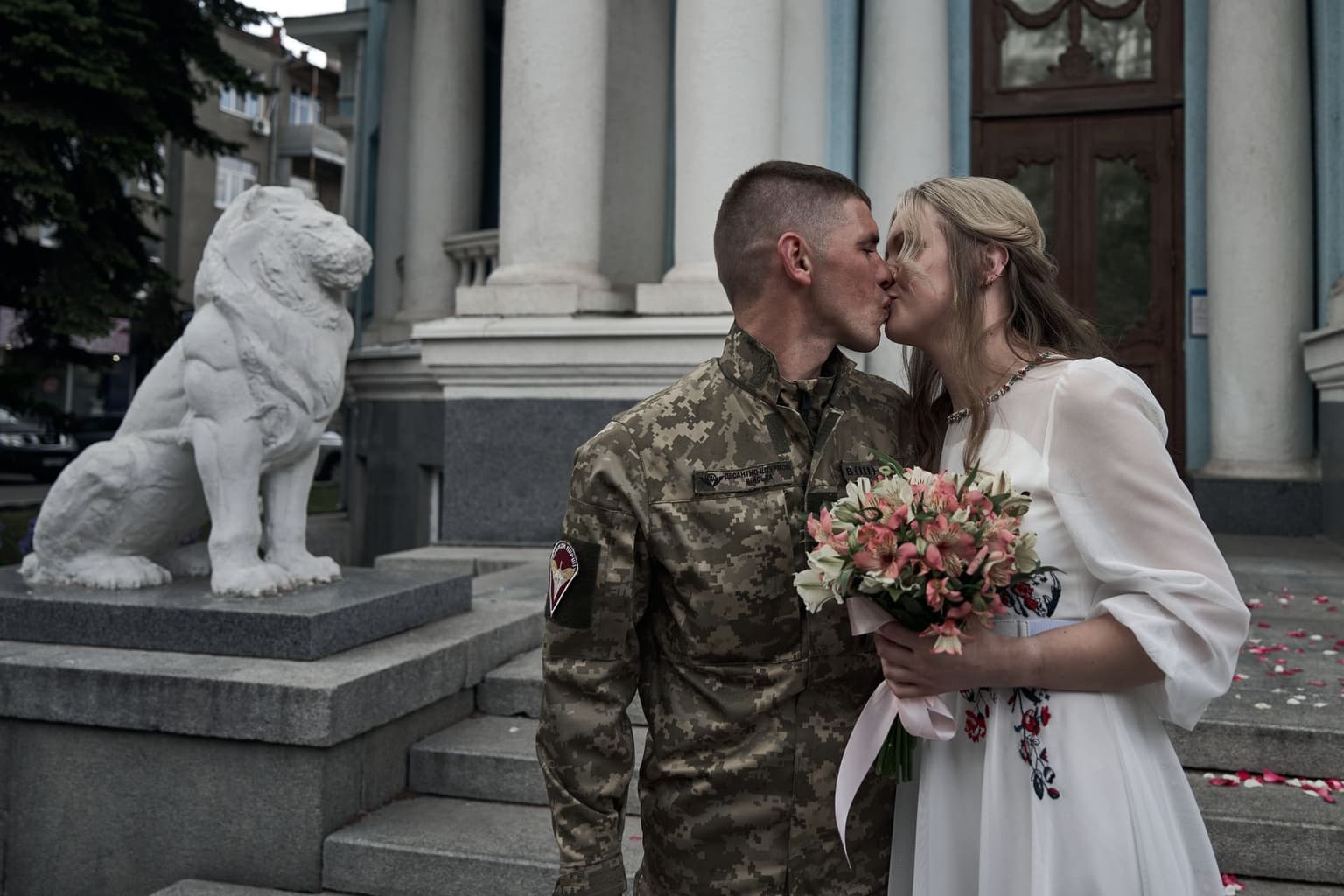
A bride and groom kiss during their wedding in Kharkiv, Ukraine, on May 18, 2024. (Kostiantyn Liberov / Libkos / Getty Images)
 on Google
Valeriia Koval
Deputy Minister of Digital Transformation
Ukraine has pioneered governmental digital services for Ukrainians, and not long ago, people primarily turned to their smartphones to quickly obtain certificates or official extracts. It was already a remarkable shake-up of the system, as Ukraine had all but abolished the long queues and red-tape headaches that once came with the simple act of getting one's papers in order, yet we planned to do more.
Today, the Ukrainian government can even support people through life's most important moments — when they have a child, start a business, get married, or get divorced.
We are building GovTech as an ecosystem in which the government remains virtually invisible yet instantly available whenever people need it: no lines, no paperwork, and no bureaucracy.
Even amid a full-scale war, Ukraine is doing more than keeping its registries operational by creating groundbreaking digital services the world has never seen before. One of the best examples is our digital marriage and divorce services.
Digitizing love: Roman and Svitlana’s story
In September 2024, Ukraine became the first country in the world to enable couples to legally marry entirely online through a video call in Diia.
The first people to use the service were Roman, a member of Ukraine's Parliament and a servicemember in the Ukrainian Armed Forces, and his fiancee, Svitlana, a social and behavior change specialist at UNICEF. Their story demonstrated the true value of this technology.

The couple first met in Canada in 2016 while participating in a parliamentary internship program. They became engaged in September 2022. Instead of going through the traditional civil registry process, they chose to marry online because they genuinely believe in the development of Ukraine's digital public services.
For them, it was the perfect way to avoid a conventional government ceremony while complementing their church wedding and family celebration.
Their wedding registration became a real test of life during wartime. Even marrying online can be problematic, with power outages caused by Russian attacks, internet disruptions, and an unexpected summer thunderstorm that stretched the process to about 10 minutes — slightly longer than average.
Yet the moment their smartphone screen confirmed their mutual consent and the official registration of their marriage became unforgettable. Along with the confirmation, they received wishes for lasting love in both the physical and digital worlds, as well as a life free from lines and bureaucratic obstacles.
Thanks to Diia, the couple not only saved time by avoiding lengthy scheduling and scripted ceremonies but also preserved the intimacy of one of the most meaningful moments of their lives.
Later, the digital state proved valuable to the family once again. Svitlana learned she was pregnant while her husband was away on a work assignment. She waited several days so she could share the news with him in person, surprising him with the pregnancy test after he returned home.
Following the birth of their first child, the couple registered the birth certificate effortlessly through the e-Baby service.
One touching detail: officially, their son carries the double first name Marko-Dmytro. The name honors their friend and fellow servicemember, Dmytro Pashchuk, known by the call sign "Harmash," who gave his life defending Ukraine's independence in 2023.
Roman and Svitlana's experience is just one of thousands.
Since the launch of online marriage in Diia, more than 62,000 couples have married through the service. For many Ukrainians, it is an opportunity to keep living despite the war.
More than 2,000 service members have started families directly from the front lines while their partners were in other cities or countries. This is how the government service transformed into something more, helping people stay together despite war and distance.
When the government respects every decision
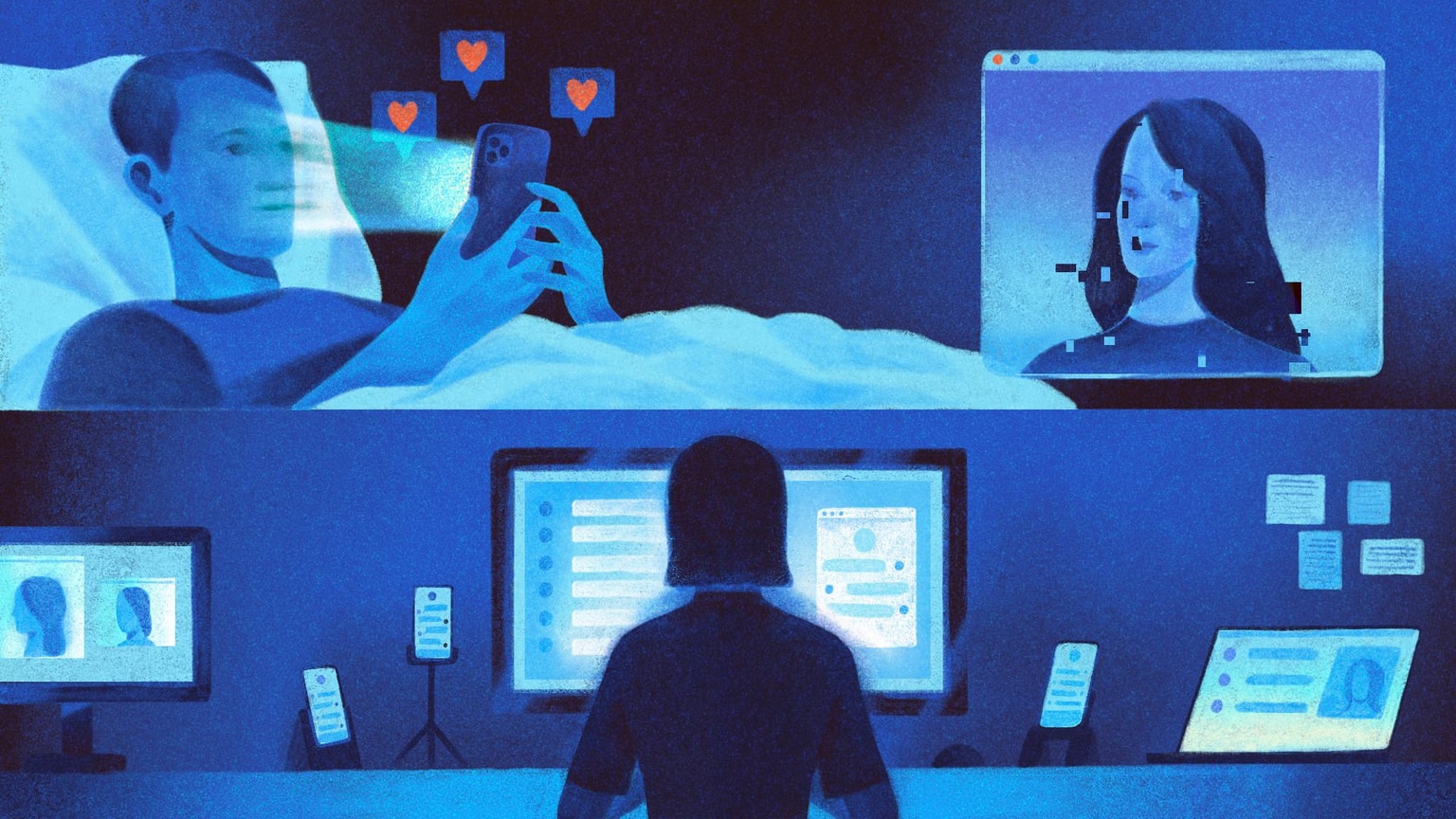
Sometimes, however, people choose to part ways. Divorce is always an emotionally difficult chapter, and additional bureaucratic stress, long lines, and visits to government offices only make it harder. That is why Ukraine's Ministry of Digital Transformation launched beta testing for online divorce in Diia.
The public response showed just how timely the service is: we reached the required number of beta testers in only four hours.

It is important to understand that digitalization does not encourage divorce or make the decision itself easier. It simply eliminates unnecessary paperwork. All legal safeguards remain fully in place. As required by law, couples are still given a one-month reconciliation period before the divorce can be finalized.
How the digital divorce works
The service is available to couples who are divorcing by mutual consent and do not have minor children together. (If they do, the process must still go through the courts.)
The process itself is designed to be simple. First, both spouses submit a joint application by completing a shared digital application in Diia.
Once this is done, a legally required reflection period begins automatically, consisting of a one-month-and-two-day waiting period. After this period has elapsed, the couple joins an online meeting via video call with a civil registry official on the scheduled date, during which they confirm their decision and sign the documents using Diia.Signature.

Finally, once the documents are signed, the couple receives the relevant records: the electronic civil status record appears immediately in Diia, while the paper divorce certificate is subsequently mailed.
In the meantime, we are reviewing feedback from beta testers to further refine the service, with a nationwide rollout planned for the near future.
A digital government is built on respect for people's time and trust in its citizens. Ukraine is proving that even the most significant life events can move online without sacrificing humanity or the rule of law.
In Ukraine, we believe that a modern government does not force people to adapt to bureaucracy, but adapts its services to fit people's lives. Ukraine's digital transformation can be a great example for other countries that can draw on Ukraine's experience in creating groundbreaking government services, as the model is transferable and efficient for any state and society.
Editor's note: The opinions expressed in the op-ed section are those of the authors and do not purport to reflect the views of the Kyiv Independent.