The Kyiv Independent Live in London:

After Russia's Kyiv attack leaves 24 dead, Zelensky instructs military to prepare response
 on Google



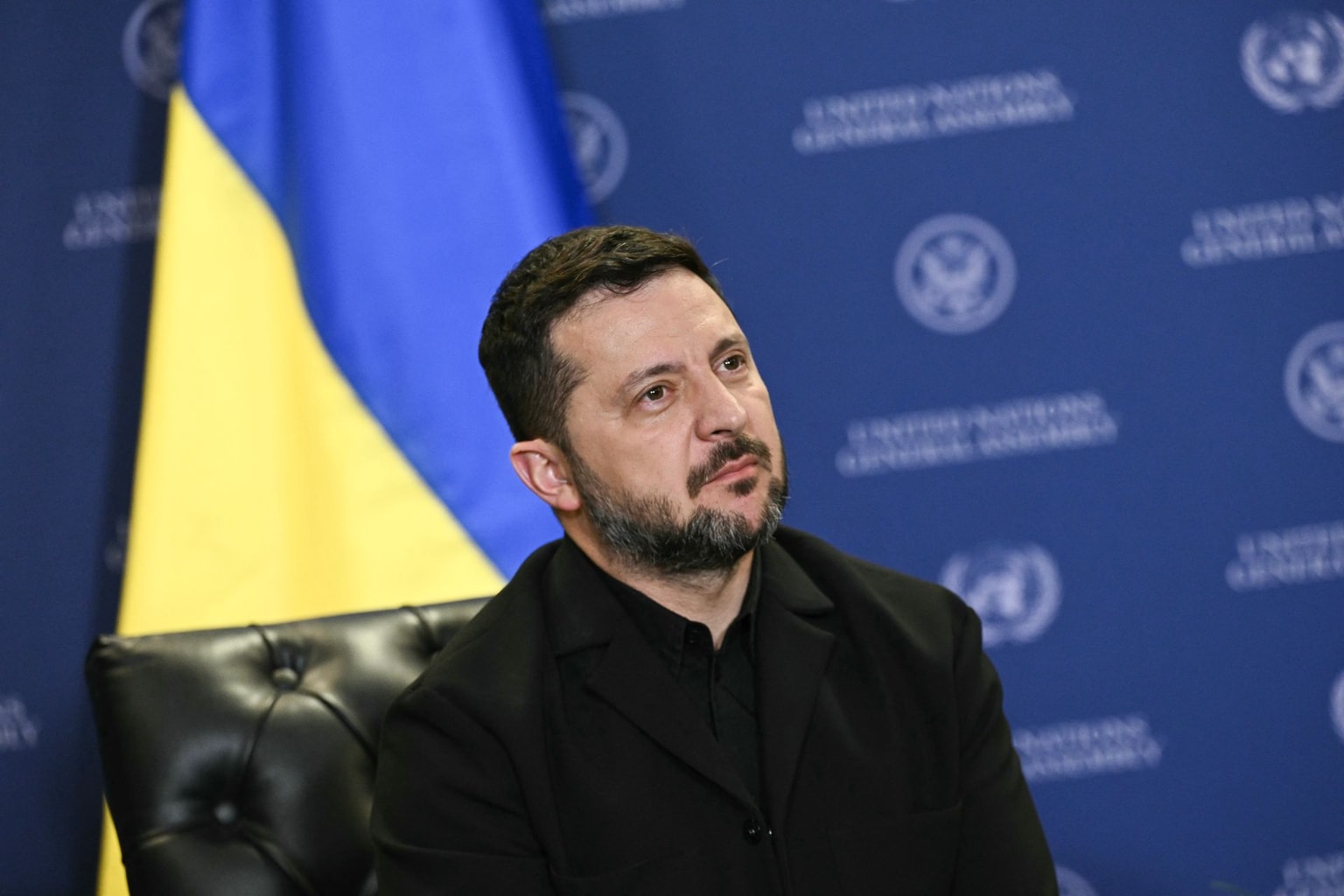
President Volodymyr Zelensky on May 14 said he had instructed Ukraine's military to prepare "possible formats for our response" to a deadly Russian missile and drone strike on Kyiv that killed at least 24 people and injured at least 48 others.
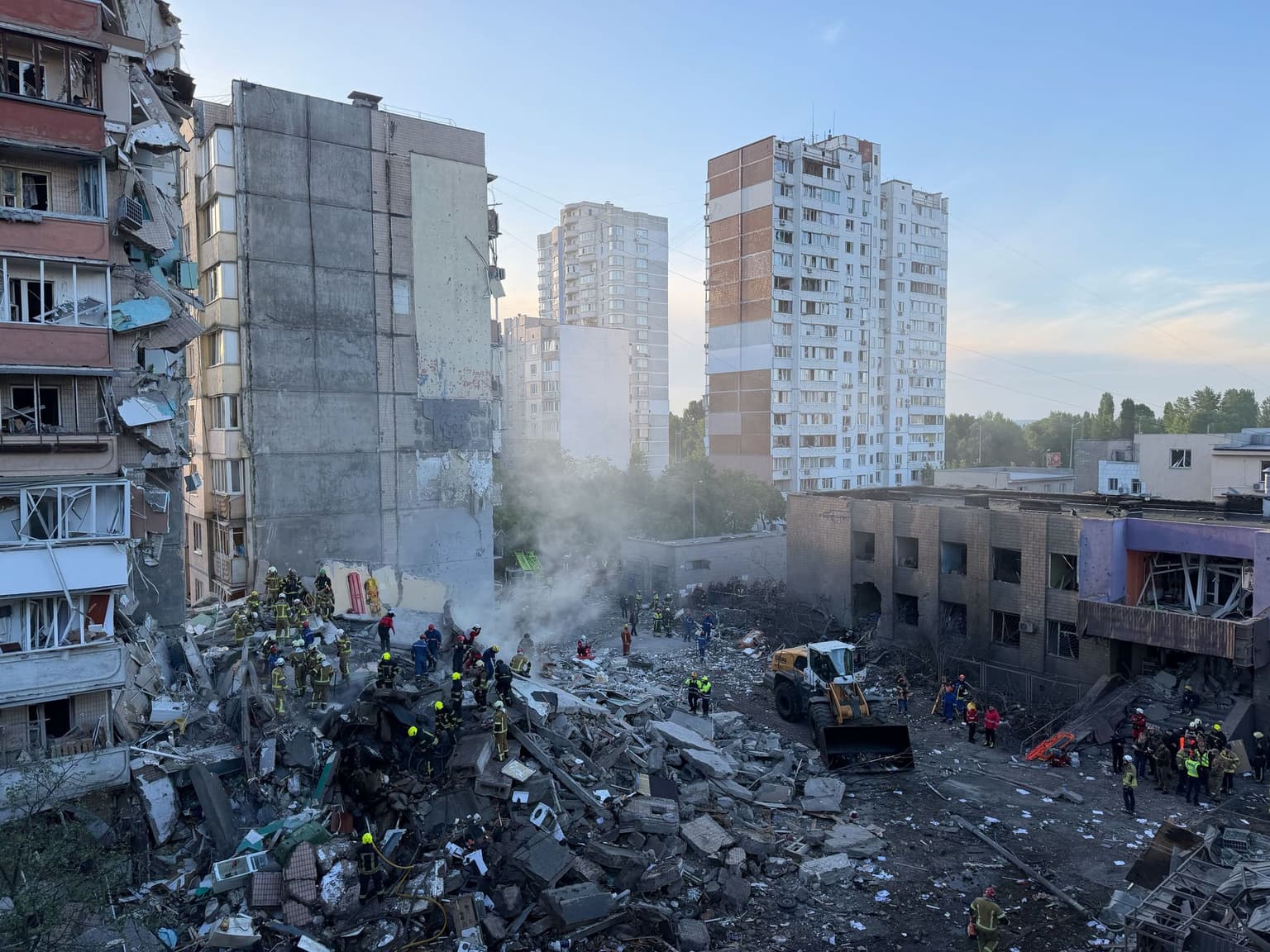
Explosions from dozens of missiles and hundreds of drones rocked Kyiv overnight, as Russia's latest mass attack on Ukraine partially destroyed a large apartment building. Three children, who were born in 2008, 2010, and 2013, were among the victims killed, according to the Kyiv City Military Administration. Forty-eight people, including two children, have also been reported injured.
The State Emergency Service reported at around 9 a.m. local time on May 15 that it had finished the search and rescue operation at a residential building on the eastern bank of the Dnipro River, where rescuers were looking for victims under rubble.
Foreign Minister Andrii Sybiha said following the attack that he instructed to initiate a United Nations Security Council meeting "to respond to Russia's killings of Ukrainian civilians and attacks against humanitarian personnel."
"Such a scale of Russian terror necessitates strong international responses, and I request all states to react," Sybiha said in a post on X.
Fifty-six missiles of various types, including Iskander ballistic and Kinzhal aeroballistic missiles, were launched in the overnight attack, as well as 675 one-way attack drones, according to Ukraine's Air Force.
Twenty-nine Kh-101 cruise missiles, 12 Iskander or S-400 missiles, and 652 of the drones were shot down or jammed before reaching the target.
President Volodymyr Zelensky said, citing a preliminary report, that an Kh-101 missile that struck a building in Kyiv was manufactured in the second quarter of this year, stressing that Russia is still able to import the components, resources, and equipment needed for missile production despite sanctions.
"We are preparing steps that can intensify our joint response: sanctions must be more painful for Russia," Zelensky said on his Telegram, calling on Western allies to take measures to prevent Moscow from circumventing sanctions.
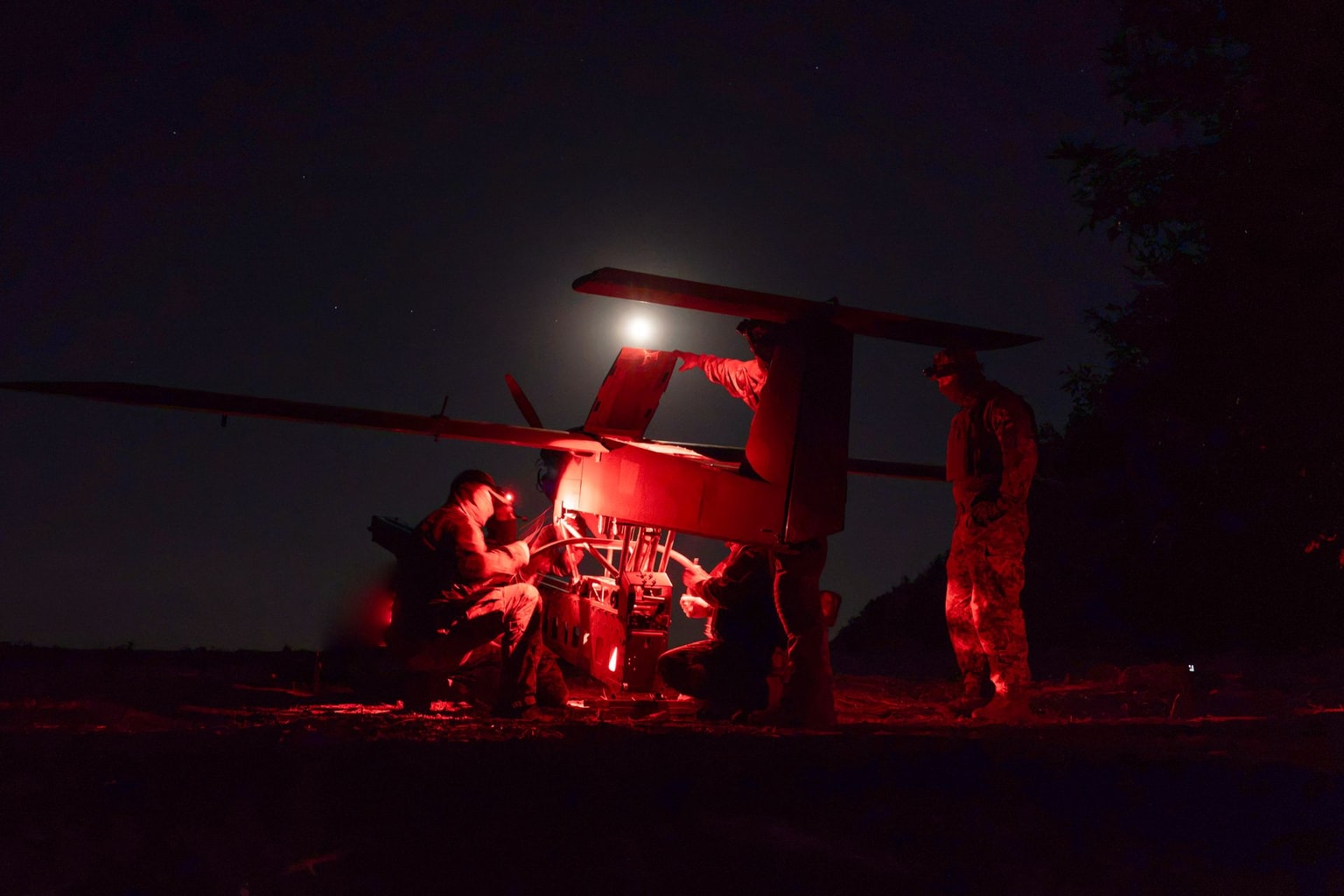
Among the damaged sites from the May 15 attack was the Kyiv office of unmanned aerial systems manufacturer Skyeton. The company said the office had been "destroyed" but that it would continue its operations to supply unmanned technologies to the Ukrainian army.
"We understood that sooner or later Skyeton could become a target for the russians, so we had prepared for this scenario in advance by relocating our production facilities to different parts of Ukraine and abroad," Skyeton said in its post on Facebook.

In a post on social media later in the day, Zelensky pointed to both Ukraine's growing success in intercepting Shahed-type drones and the dire shortage of missiles for anti-ballistic-capable air defense.
According to Zelensky, of the 1,567 drones and 56 missiles launched at Ukraine over May 13 and 14, the intercept rate was 94% for drones but only 7% for missiles.
"This is a deliberate terrorist tactic by the Russians," he said, "who amassed drones and missiles over a period of time and intentionally calculated the strike so that its scale would be significant, creating the greatest possible difficulties for our air defense."
"I instructed the Defense Forces of Ukraine and the special services to propose possible formats for our response to this Russian attack," the president added, in a possible nod to Ukraine's increasingly powerful long-range strike arsenal.
Overnight on May 15, Ukraine's military reportedly launched a large-scale drone attack striking Russian military and energy infrastructure in multiple regions of Russia.
Moscow also spoke the language of retaliation, despite being the aggressor in the war and striking Ukrainian cities regularly from the outset.
"Russian troops, in response to the terrorist attacks of Ukraine on civilian objects of the Russian Federation, carried out a massive retaliatory strike," the country's defense ministry said.

The attack began just before 1 a.m., a nationwide aerial alert was issued, warning that Russia had launched MiG-31 missile carriers and that every region in the country was now at risk of ballistic missile strikes.
Tkachenko later warned that many Russian drones were headed toward the capital and that missile strikes were also a possible threat.
The first explosions were heard in Kyiv around 3 a.m. local time as air defense began engaging Russian drones, before the first ballistic missiles began arriving a few minutes later.
In the Darnytskyi district, structural components of a residential building collapsed, and people were trapped underneath, according to preliminary reports, Klitschko said.
Energy infrastructure in the capital was also targeted in the attack, with DTEK, Ukraine's largest private energy company, reporting a transformer substation and high-voltage power line damaged.
"Eighteen apartments have been destroyed. A rescue and search operation is ongoing. According to preliminary information, 11 people have been rescued from the building," Kyiv Mayor Klitschko said.
Watching the rescue work at the scene, IT workers Tivan Khachatryan and Karolina Koshletska initially thought the adjacent building had been hit.
"After the explosion, people started to yell, scream," Khachatryan recalled, "the first instinct which you get is to think that it's your building which was hit, but soon we heard that the building which was hit was the one which is next to us.
"You don't feel happy that it was not yours, but you just feel shock. You don't feel better at all, you just feel the same way, emptiness inside yourself.
Pensioner Serhii Yatsura, already displaced from his village because of Russia's war, had walked out to his window right when the missile struck the building opposite.
"I saw the missile flying, it hit around the third floor," he said.
"I was thrown back, everything was broken. Everything was burning, people were screaming downstairs. You could hear them screaming."

Following the Russian attack, running water has been disrupted in the eastern part (left-bank) of Kyiv, Klitschko reported.
Fallen drone debris also sparked a fire on the roof of a five-story residential building in the Dniprovskyi district, and debris fell onto a road in the Holosiivskyi district, Kyiv Mayor Vitali Klitschko reported.
A car was set on fire by Russian drone debris in the Solomianskyi district, Tkachenko said, while drone debris fell on an office building, a parking structure, and a fire erupted at a 12-story residential building after it was struck by drone debris in the Obolonskyi district, Klitschko reported.
A day of mourning has been announced in Kyiv for May 15, Klitschko said in the afternoon.

The mass missile attack followed a day of relentless Russian drone strikes across the country.
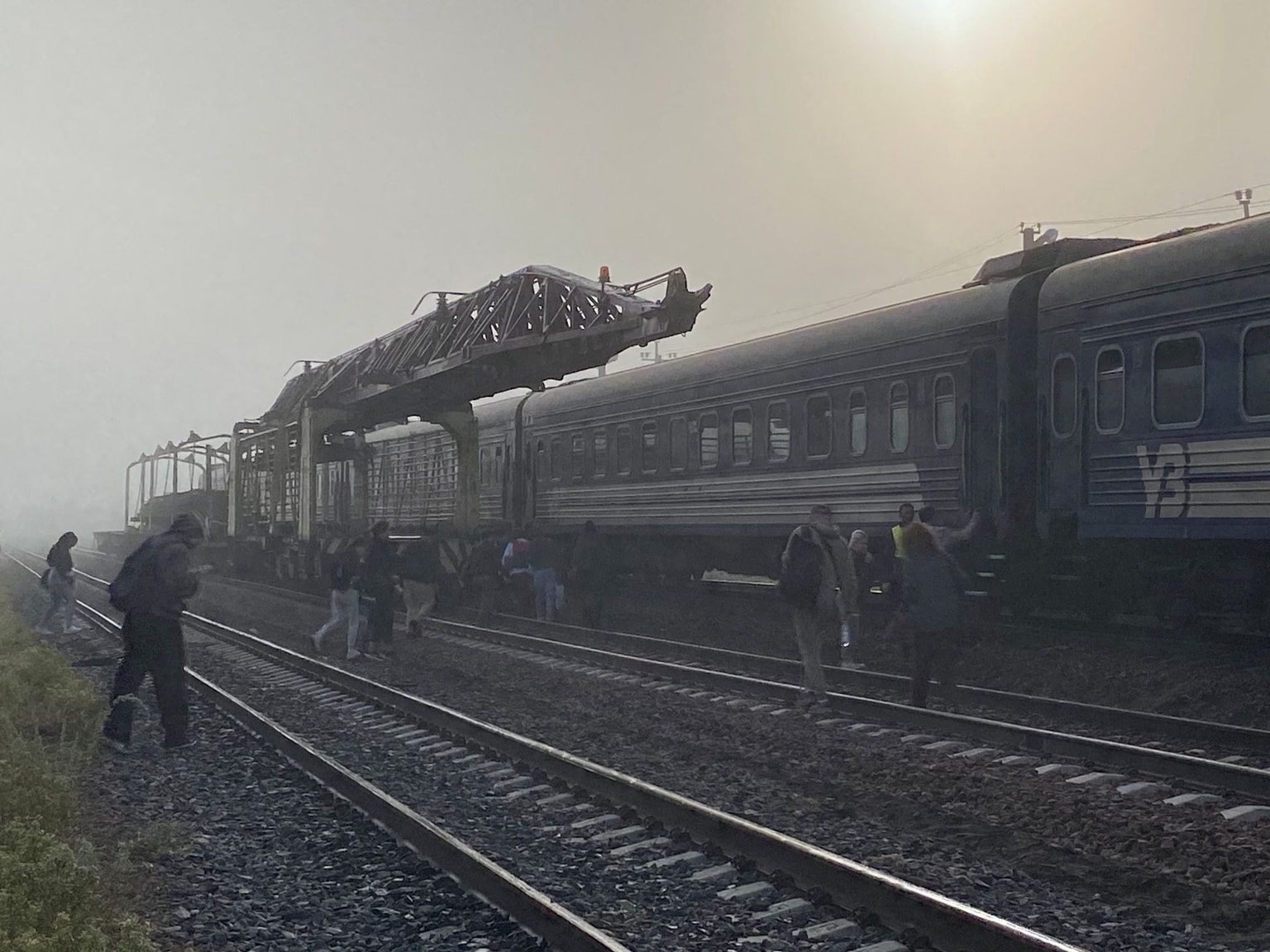
In the afternoon of May 13, Russian forces carried out a prolonged combined attack on Ukraine's critical and civilian infrastructure, launching at least 800 drones in several waves. The strike targeted cities across Ukraine, including the far western regions rarely hit by direct attacks.
The daytime attacks killed at least 14 people and injured over 80 others, including children and teens. First responders were also injured in "double-tap" strikes.
President Volodymyr Zelensky warned that Russia could follow the drone waves with missile strikes to overwhelm Ukraine's air defense and inflict "as much grief and pain as possible."
The warning was based on information from Ukraine's military intelligence agency, HUR, which said Russian forces were planning to continue the attack with a significant number of air- and sea-launched cruise missiles, as well as ballistic missiles.
Kremlin targets could include critical infrastructure and essential services in major cities, including energy facilities, defense industry enterprises, and government buildings, the agency said.