EU suspends its funding for Venice Art Biennale over Russia's return
 on Google
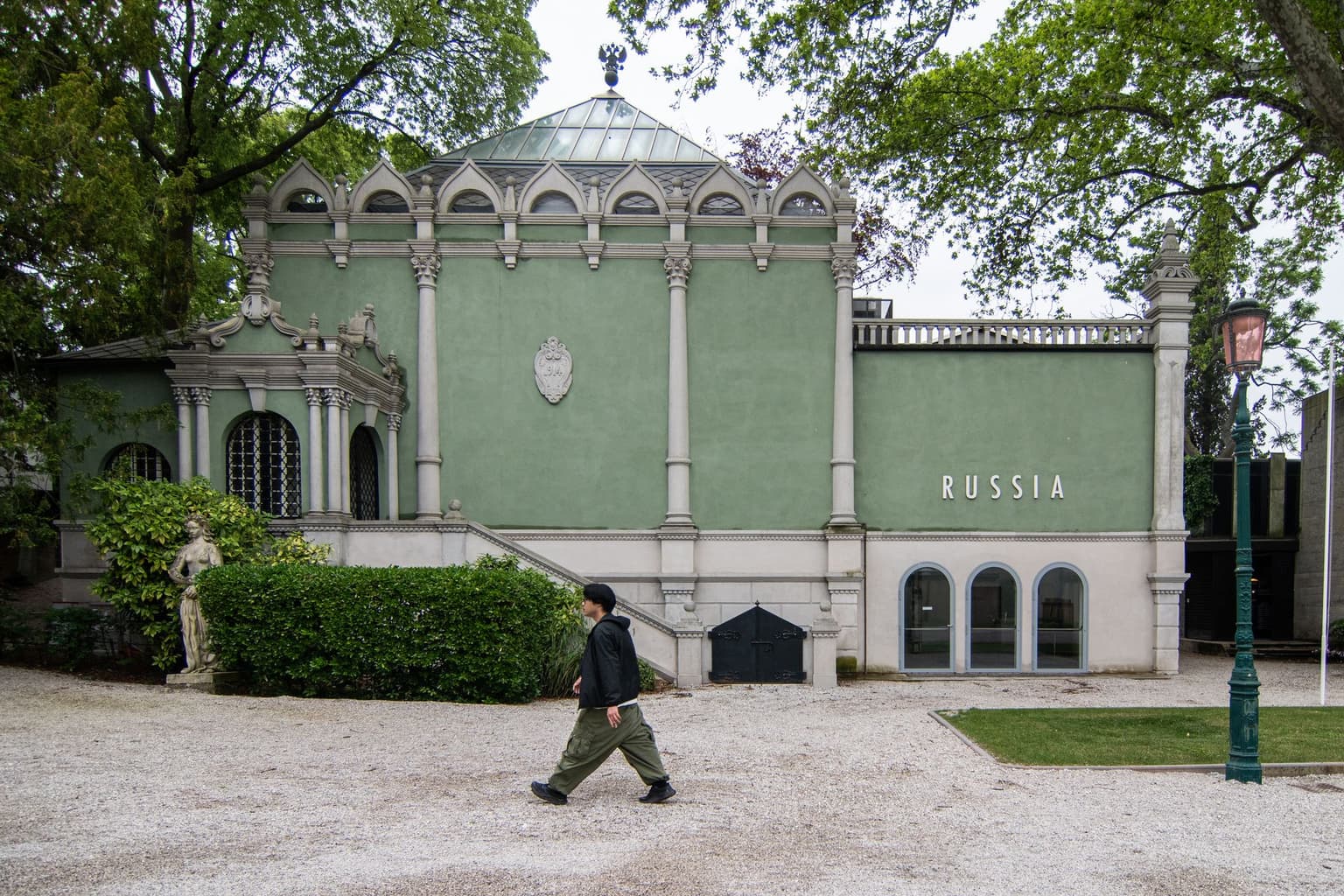
The European Commission's Education and Culture Executive Agency (EACEA) has moved forward with terminating its two million-euro ($2.3 million) grant for the Venice Art Biennale because of Russia's return to the international event, a spokesperson for the European Commission reported on July 21.
"Following the Commission’s legal assessment and recommendation, EACEA has taken the decision to terminate the ongoing €2 million grant to the Fondazione La Biennale di Venezia," a European Commission spokesperson told the Kyiv Independent.
"Cultural events, funded by European taxpayers’ money, should safeguard democratic values, foster open dialogue, diversity and freedom of expression – values which are not respected in today’s Russia."
In mid-July, the European Commission officially recommended that the EACEA terminate the grant given the Venice Biennale's lack of response to the pushback over the reopening of the Russian pavilion.
The Venice Art Biennale opened to the public on May 9.
The Venice Biennale is one of the largest cultural events in Europe, with artists taking part from all over the world. The Russian pavilion had previously been closed since 2022, when the artists involved refused to represent Russia in protest of the full-scale war against Ukraine.
The controversy surrounding Russia's return to the Venice Biennale was largely due to the fact that the Russian pavilion's commissioner, Anastasia Karneeva, has documented ties to Russia's military industrial complex.
National pavilions are funded by their governments, and the role of commissioner is a government-appointed position.
Some of the musical artists chosen by Karneeva to take part in the reopening of the Russian pavilion have documented pro-war stances.
The organizers of the Venice Biennale rejected calls to expel Russia from the event, with the organization's right-wing president, Pietrangelo Buttafuoco, calling it "censorship."