EU says Russia 'clearly' unwilling to make peace with Ukraine as US pushes talks
 on Google
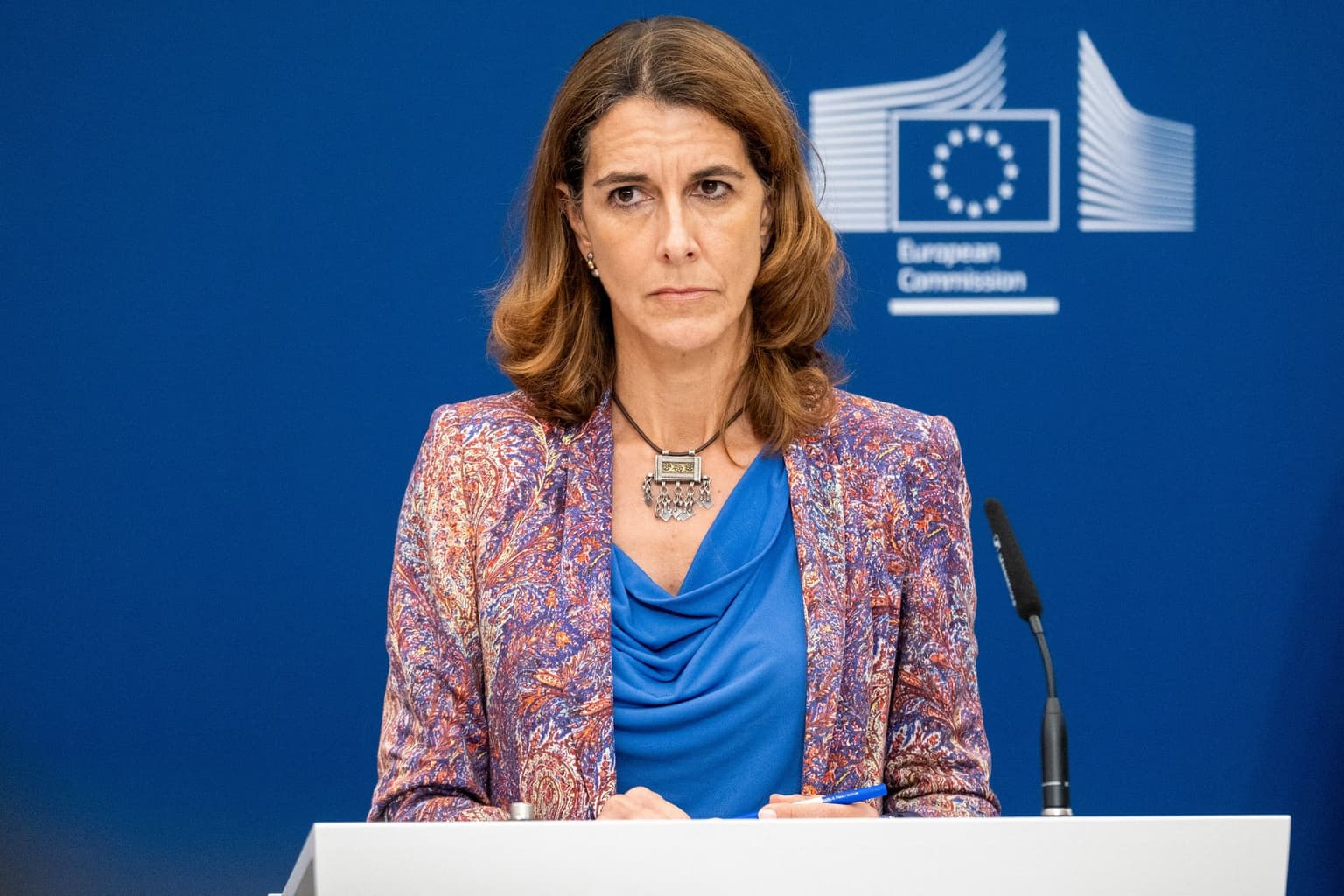
The European Union was not represented at peace talks in Kyiv on Sept. 6, but European Commission spokespeople said on Sept. 8 that Moscow has also shown no willingness to seriously pursue a just and lasting peace.
"We need Russian willingness to reach a just and lasting peace, European Commission chief spokesperson Paula Pinho said, "which we are clearly not seeing."
The remarks followed a new round of U.S.-led diplomacy, during which U.S. peace envoys Steve Witkoff and Jared Kushner visited Moscow on Sept. 5 and Kyiv for the first time on Sept. 6.
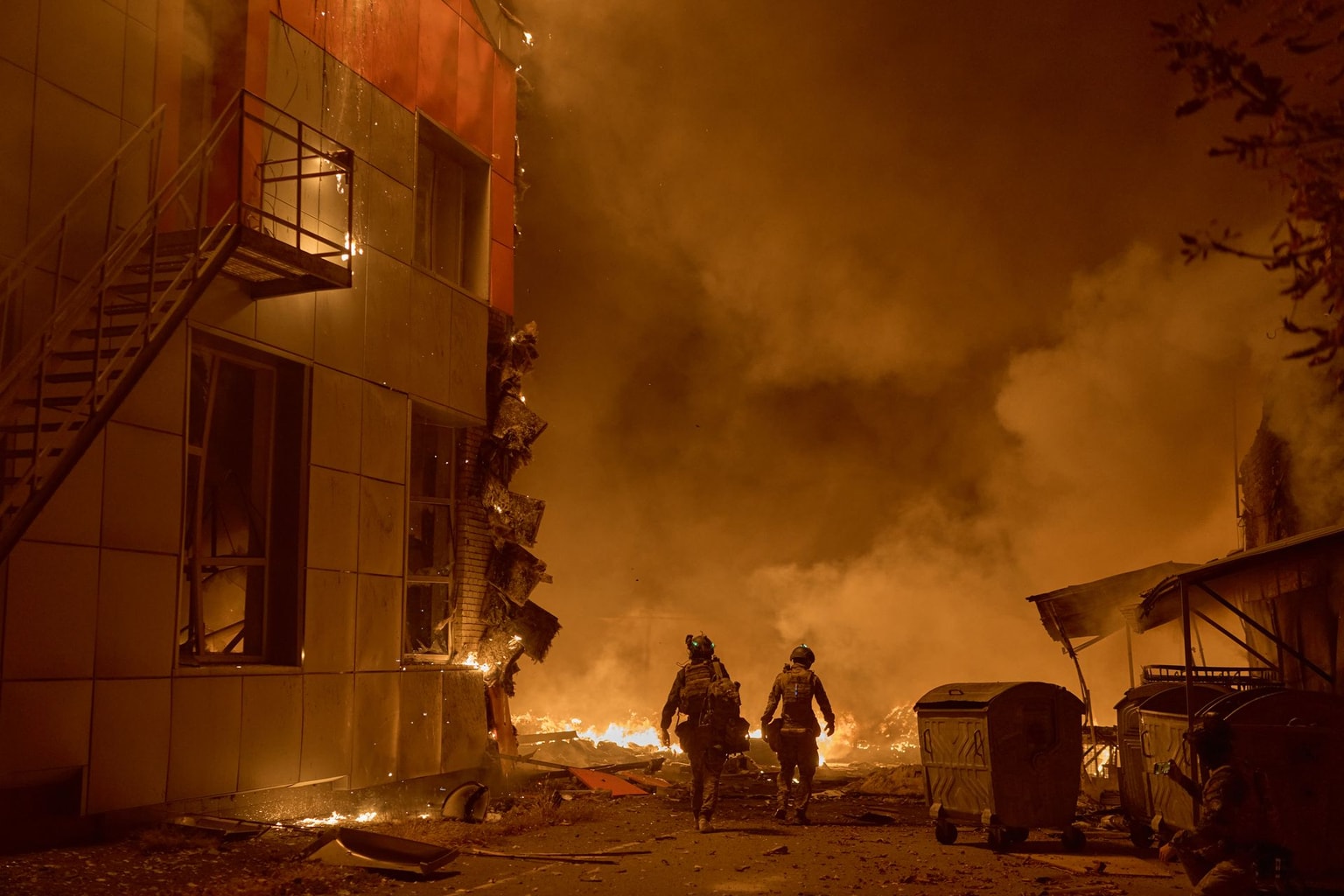
"Unfortunately, we also see that Russia continues to escalate," European Commission foreign policy spokesperson Christian Wigand said.
Wigand said that Europe must maintain pressure on Russia, specifically through support to Ukraine and the use of sanctions.
"This is the best incentive to actually get Russia to the table in good faith," he added.
The Commission nevertheless welcomed the fact that the talks took place.
Representatives of the E3 — France, Germany, and the U.K. — attended the meeting in Kyiv. The representatives were Emmanuel Bonne, Gunter Sauter, and Jonathan Powell, respectively.
When asked about the importance of including Europe in peace talks, President Volodymyr Zelensky told reporters on Sept. 8 that "Europe is very important at the negotiating table, and we understand that Europe is of fundamental importance to us."
He said Europe should participate not only because it provides aid to Ukraine, but because negotiations concern "the security of the whole of Europe" and because "Ukraine will be part of the European Union."
The E3, however, cannot formally represent the EU. The U.K. has not been a member of the bloc since its withdrawal in 2020.
The Commission noted that it received a briefing from the E3 representatives after the talks, and one EU official told the Kyiv Independent that they also spoke with them beforehand, but that does not equate to them taking on a representative function.
"Let me recall our clear and long-standing position that nothing about Ukraine can be decided without Ukraine and nothing about Europe and Europe's security without Europe," Wigand said.
"There's also European Council conclusions about that," he added.
Those conclusions, agreed unanimously by the 27 EU countries in June 2026, reiterate that the bloc "will decide on matters of its competence or affecting its security," and that EU contributions to security guarantees for Ukraine will likewise "be based on their respective competences and capabilities and in line with international law."