Poland, Baltics to withdraw from anti-personnel mine ban treaty
 on Google
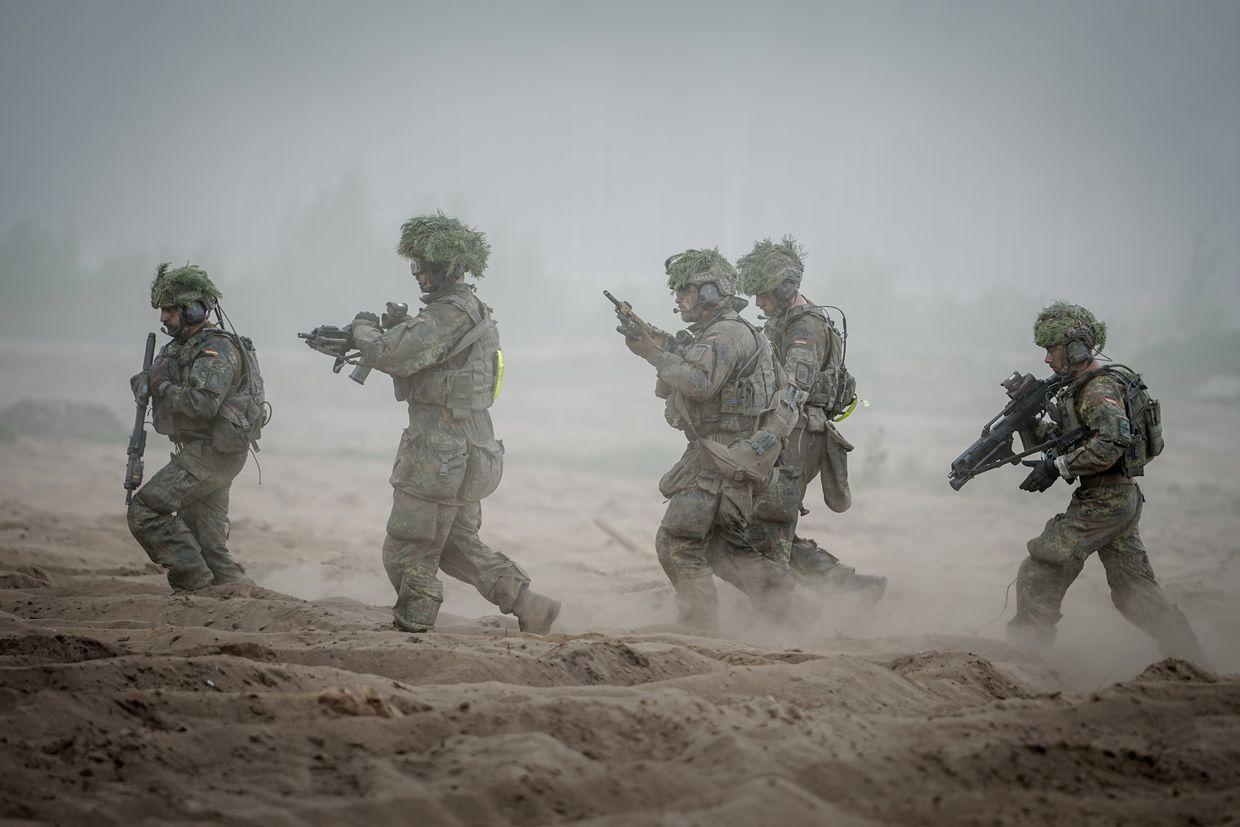
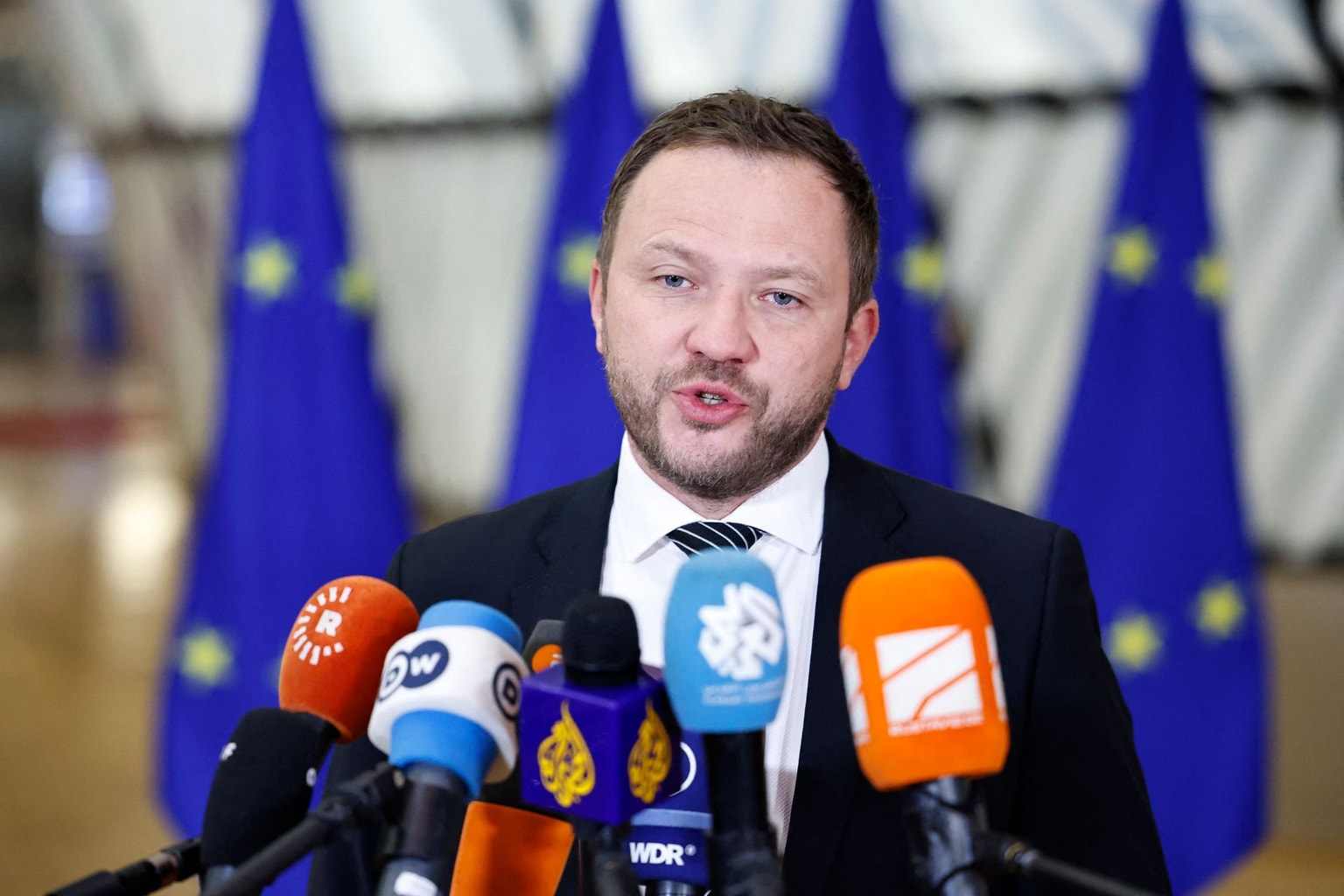
Estonia, Latvia, Lithuania, and Poland announced on March 18 their intention to withdraw from the Ottawa Convention, an international treaty banning the use, production, and stockpiling of anti-personnel mines, the Lithuanian Defense Ministry said.
The defense ministers of the four nations argued that the security situation in the region has "fundamentally deteriorated" and that military threats to NATO member states bordering Russia and Belarus have "significantly increased."
"Given the volatile security environment, all measures to strengthen deterrence and defense capabilities must be assessed," the ministers said, emphasizing their willingness to take all necessary steps to defend their territories.
The statement added that despite their withdrawal, the countries would remain committed to international humanitarian law, including the protection of civilians during armed conflicts.
The decision still requires approval by the countries' parliaments.
Tensions between NATO and Russia have risen following Moscow's all-out attack against Ukraine. Western leaders and intelligence agencies have warned of a potential large-scale war in Europe within the next five years, citing Russia's increasingly aggressive posture.
The move signals a significant shift in defense policy for these front-line NATO states as they prepare for potential aggression from Moscow. The step follows Lithuania's withdrawal from the convention banning cluster munitions, a weapon widely used in the Russia-Ukraine war.