Russia issues veiled threats to Baltic states over Ukraine airspace claims they have long denied
 on Google
Russia's Foreign Ministry issued veiled threats towards the Baltic states on April 6, following Moscow’s suggestion that Kyiv’s allies are allowing the use of their airspace to strike Russian ports in the Baltic Sea — a claim that Baltic states have repeatedly labeled as disinformation.
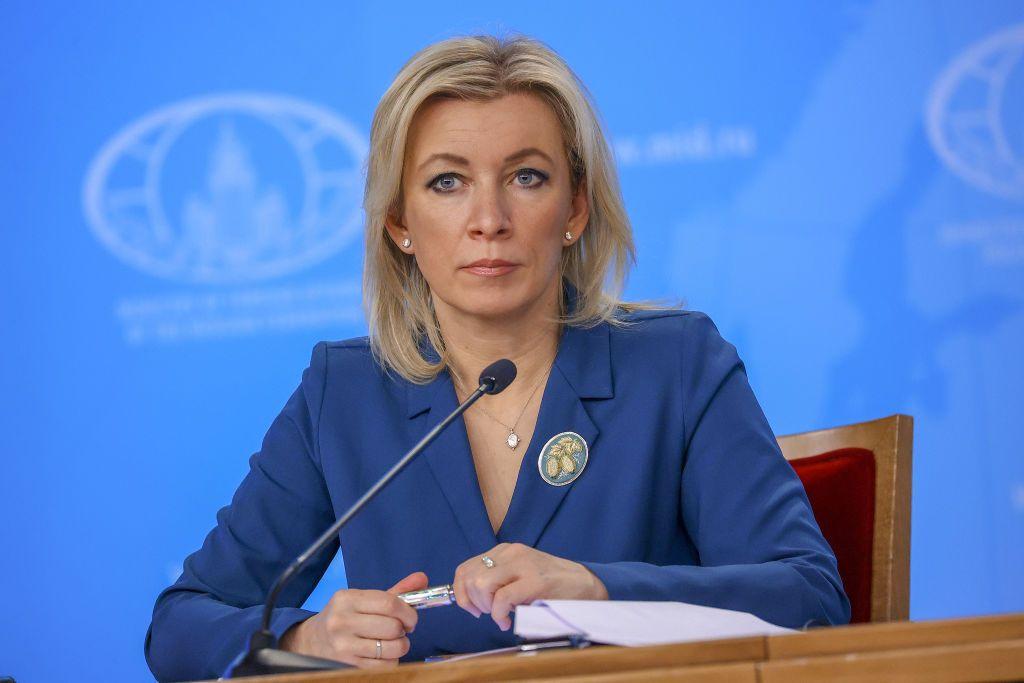
Speaking to reporters in Moscow, Russian Foreign Ministry spokesperson Maria Zakharova said that the Baltic states "have received an appropriate warning."
"If the regimes of these countries have enough sense, they will listen. If not, they will have to deal with a response," Zakharova added, according to reporting from Russian state media.
Despite staunch support for Ukraine, the Baltic states — Estonia, Latvia, and Lithuania — have stayed out of the fighting, providing only military assistance, intelligence support, and humanitarian aid to Kyiv since the start of the full-scale invasion, while keeping their territories off-limits for attacks on Russia.
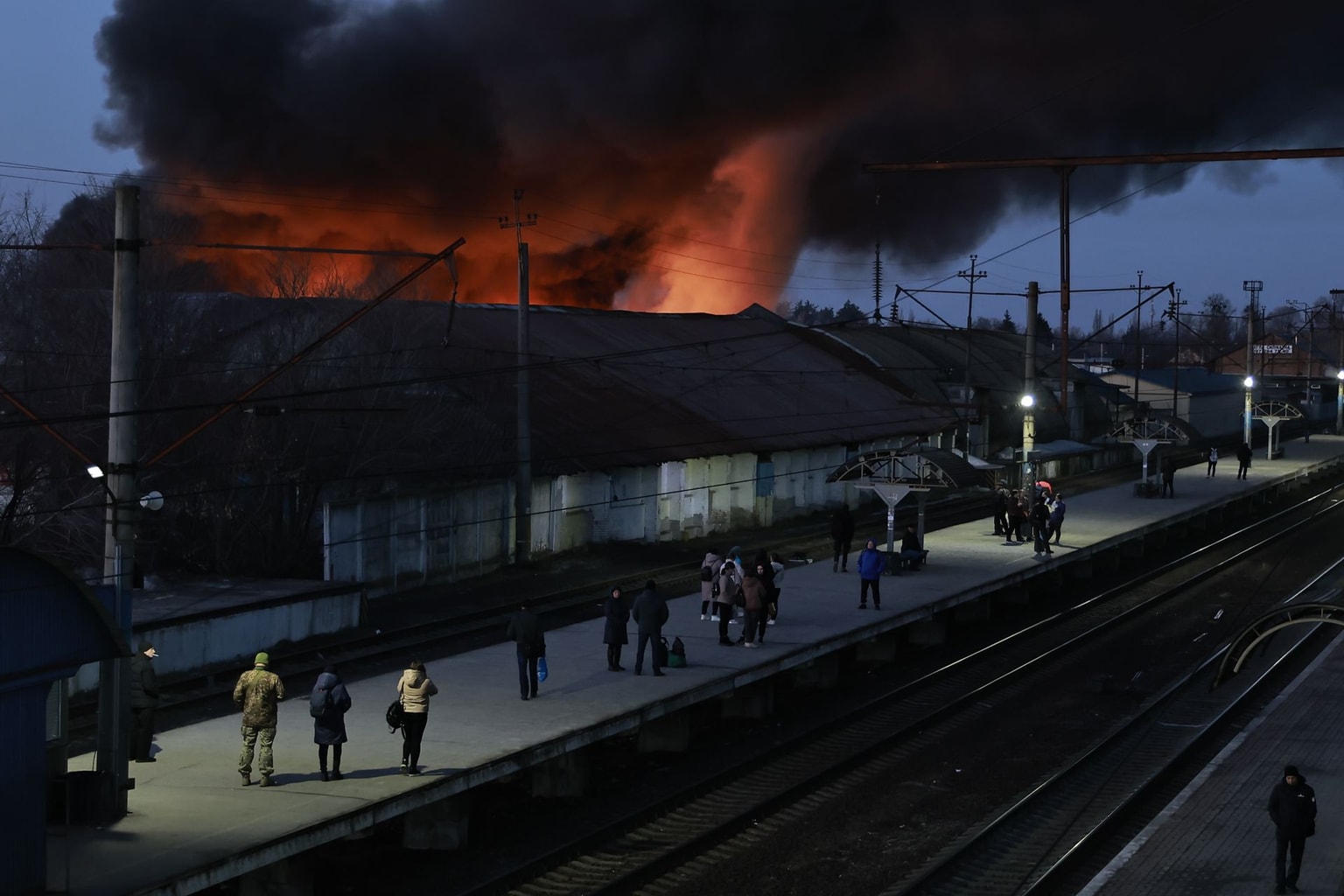
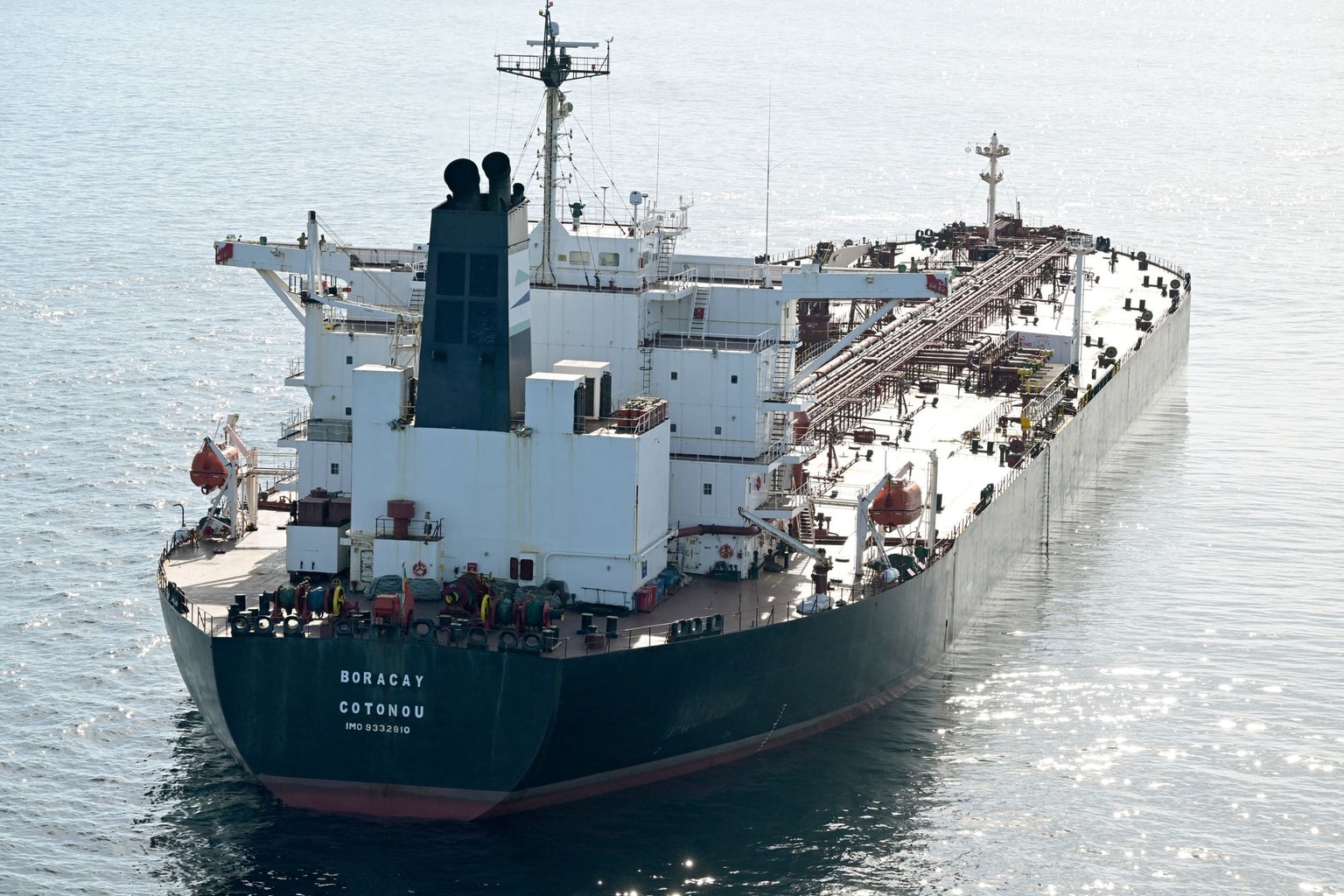
Zakharova's comments come as Ukraine's military has intensified strikes in recent weeks on Russian oil terminals on the Baltic Sea coast, as Kyiv looks to restrict the windfall gained by Russia from soaring world oil prices.
The strikes have primarily targeted Russia's northwestern Leningrad Oblast, which is situated on the Baltic Sea and neighbors Estonia.
Colonel Ants Kiviselg, the commander of the Estonian Military's Intelligence Center, reaffirmed on April 6 in an interview with Estonian outlet ERR that Tallinn has not will not allow its territory or airspace to be used for attacks against Russia.
"We have recommended choosing attack corridors so that (Ukrainian drones) do not enter Estonian airspace," Kiviselg said, adding that it was "impossible" to rule out that Ukrainian drones would never enter Estonian airspace the increase in drone attacks.
The comments come as two Ukrainian drones strayed into Latvia and Estonia respectively amid a mass overnight attack on targets inside Russia on March 25. Estonian Foreign Minister Margus Tsahkna called the incident "a concrete consequence of Russia’s full-scale war of aggression."
Last week, Latvia also issued a statement denying Moscow's assertions of allowing the use of its airspace.
"Latvia rejects as completely unfounded false allegations spread by Russia that Latvia has allowed its territory to be used for drone attacks against Russia, and demands the immediate withdrawal of this blatantly false information," Latvia's Defense Ministry said in a statement on March 31.
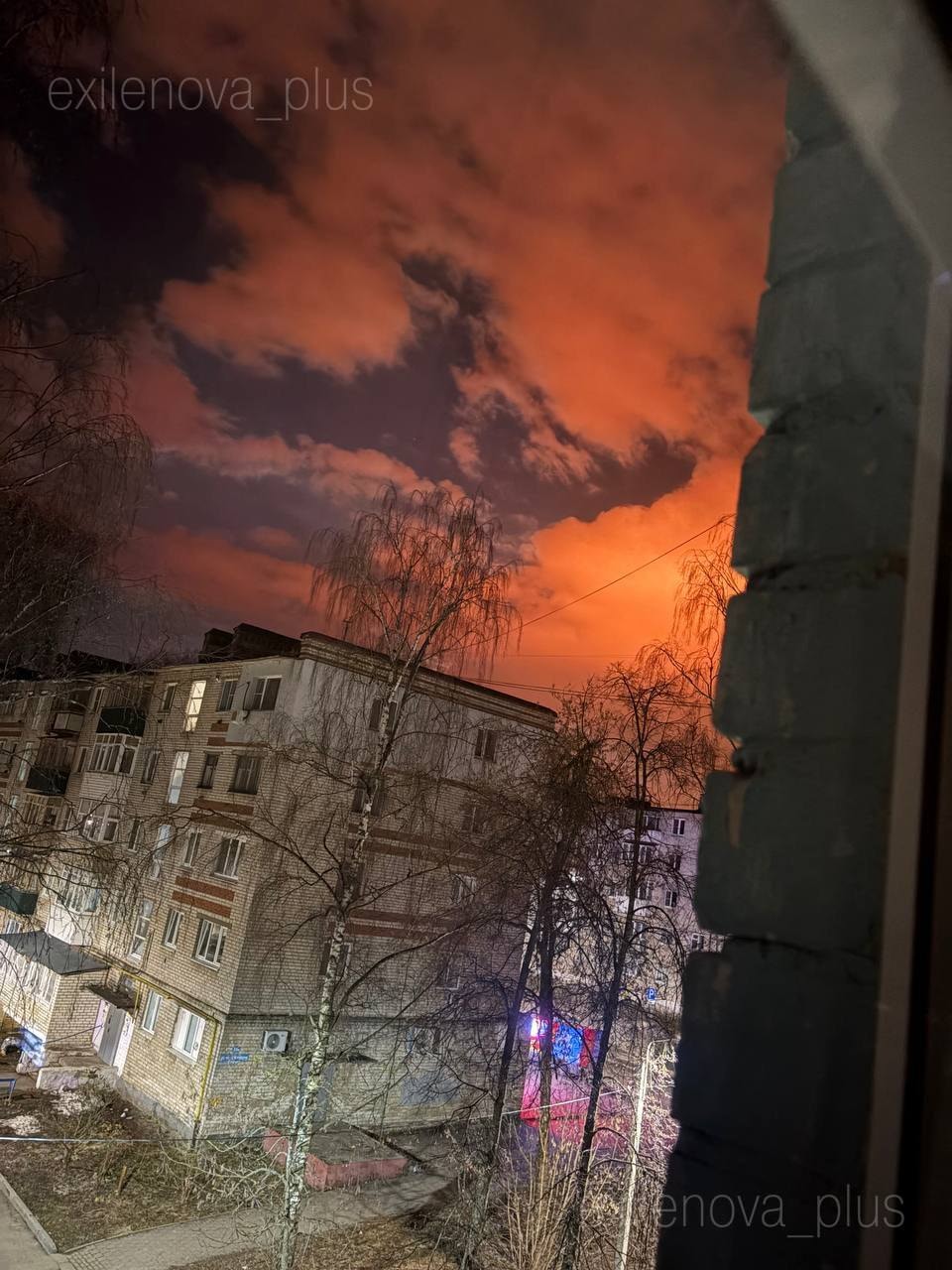
Ukraine's military reportedly restarted its attacks on Leningrad Oblast overnight on April 7, with explosions seen near the Ust-Luga port, home to a prominent Russian oil terminal. Local officials claimed that 22 Ukrainian drones were downed in the region amid the attack.