Air defenses intercepted nearly half of Russia's Kinzhal hypersonic missiles
 on Google
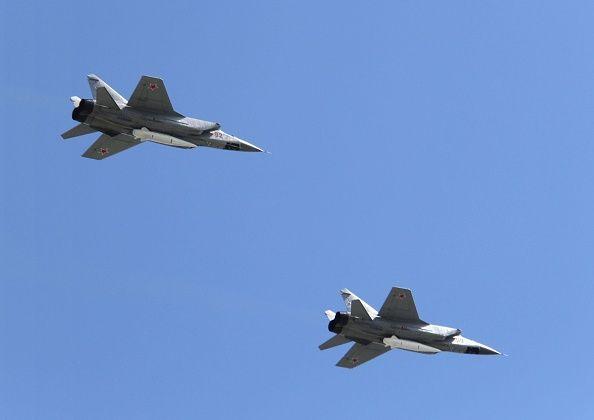
Ukraine's air defenses have successfully intercepted 25 out of 63 Kinzhal hypersonic air-launched missiles fired by Russia, Air Force Spokesperson Yurii Ihnat told reporters.
In 2022, U.S. President Joe Biden described the missile as "impossible to stop," saying "they've just launched their hypersonic missile because it's the only thing they can get through with absolute certainty. As you all know, it's a consequential weapon but with the same warhead on it as any other launched missile."
Russian factories that produce the Kh-47M2 Kinzhal missile use parts imported from multiple European Union countries, The Insider reported.
Moscow claims the missile reaches an altitude of 20km and uses a ballistic flight path at speeds of up to Mach 10, making it too fast to intercept. But these claims have not proven accurate on the battlefield.
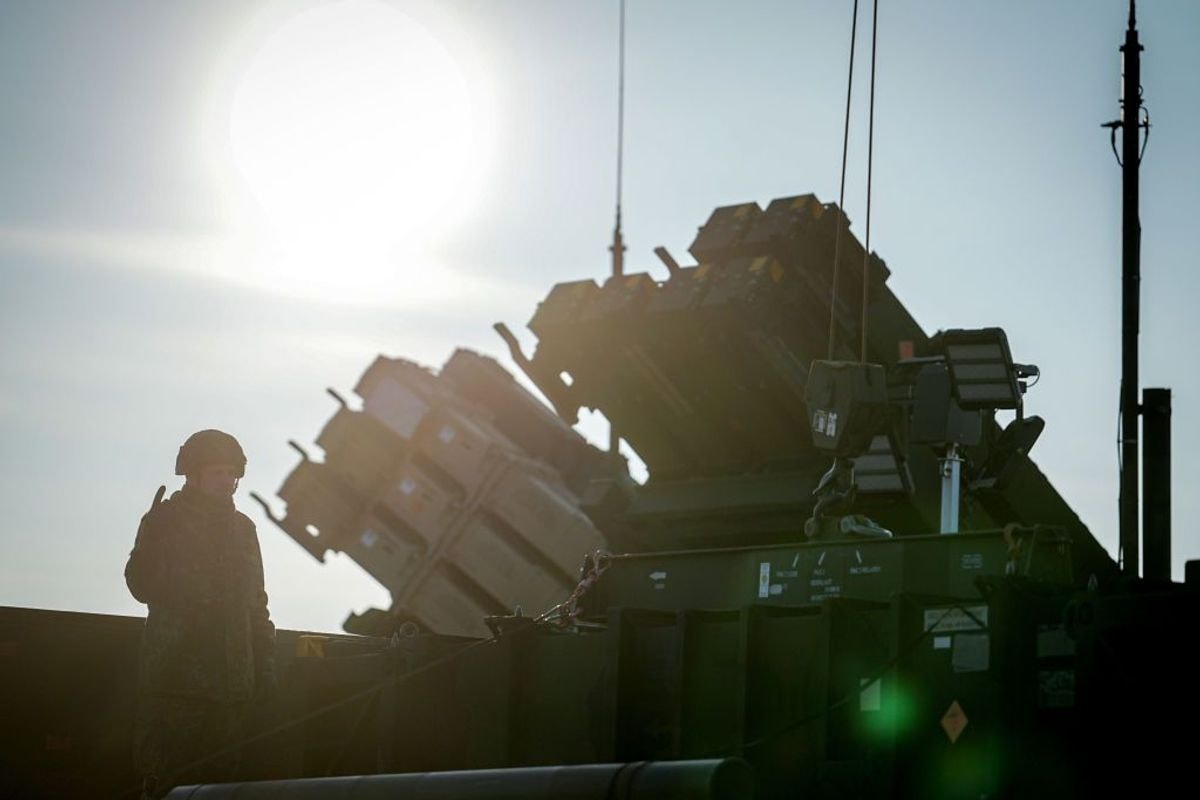
“63 Kinzhal missiles have been fired since the full-scale invasion started, and 25 of them have been destroyed. Last spring we obtained the Patriot systems and the ability to destroy air-launched ballistic missiles,” Ihnat announced.
On Jan.2, Russia launched a massive air attack on Ukraine, firing 10 Kinzhal hypersonic air-launched ballistic missiles.
Ukraine's air force says all of them were successfully intercepted.