US increasingly polarized over Ukraine support as Trump's 'America First' deepens party divide
 on Google
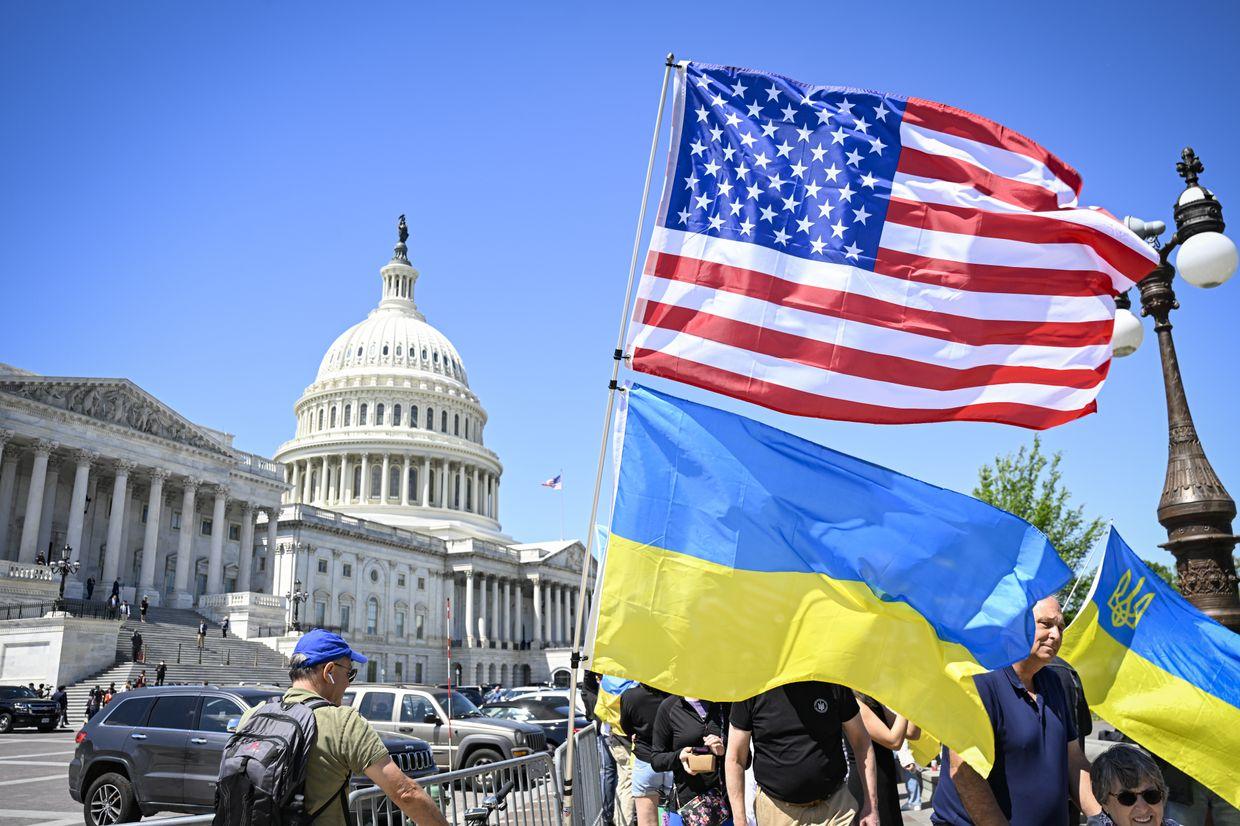
Republican voters are increasingly opposed to sending military aid to Ukraine, according to a Wall Street Journal poll published April 6, highlighting a growing divide in the U.S. along party lines.
The poll found 83% of Democratic voters support continued U.S. financial aid to Ukraine, compared to 79% of Republicans who oppose it. Among all voters surveyed, 49% favored continued assistance to Kyiv, while 44% were against it.
Throughout 2023 and into 2024, Democrats became more supportive of increasing aid to Kyiv, while Republican sentiment shifted in the opposite direction, with many saying the U.S. was already doing too much.
The data also showed broader disagreement over America's global role. Some 81% of Republican respondents said U.S. allies are not doing enough to defend themselves and that Washington should stop spending taxpayer money to protect them.
In contrast, 83% of Democrats said international alliances are a strength and deserve financial support.
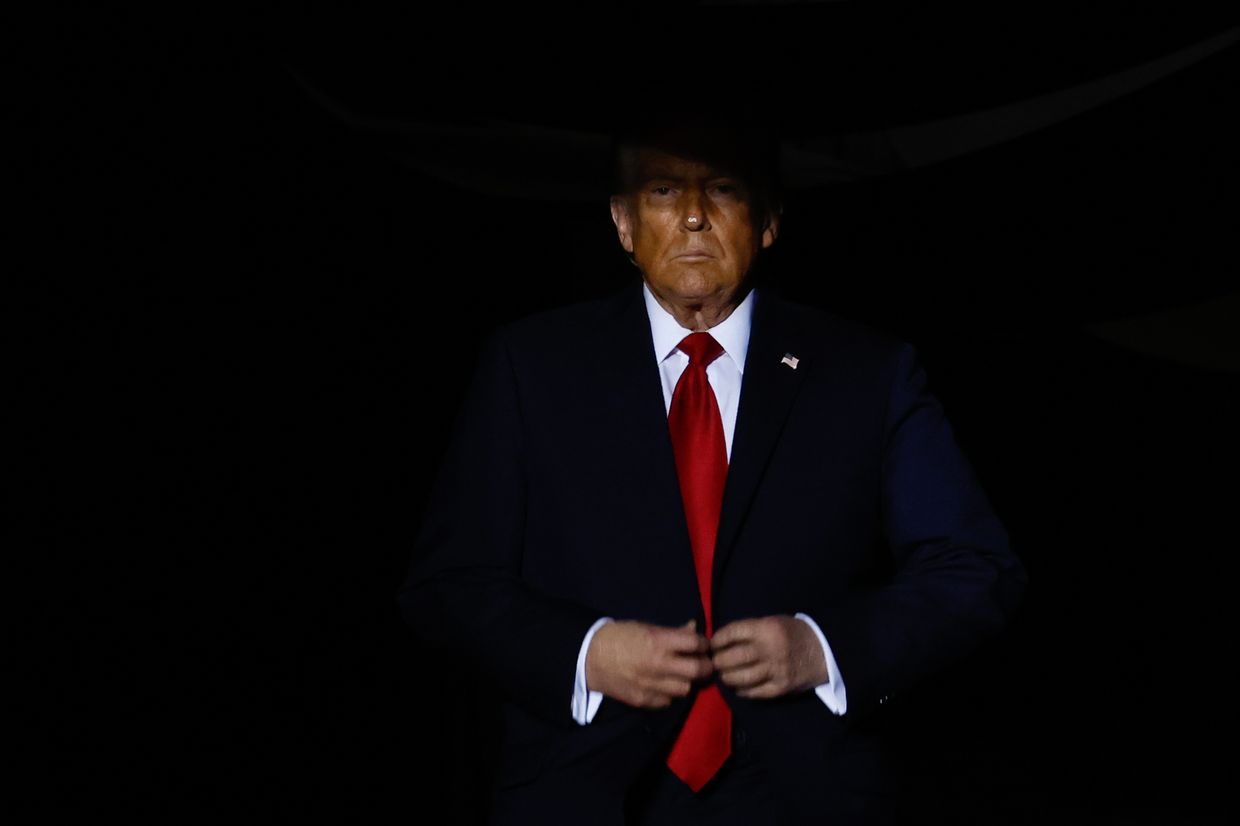
The gap reflects years of growing Republican skepticism toward global engagement, influenced by President Donald Trump's "America First" doctrine. Trump has repeatedly criticized NATO allies for low defense spending and questioned the value of U.S. security commitments abroad.
Trump has long demanded that NATO allies increase their military spending. He previously called for the alliance to raise its benchmark from 2% to 5% of the GDP.
During a Feb. 28 meeting with President Volodymyr Zelensky in Washington, Trump said security guarantees for Ukraine should be Europe's responsibility and cast himself as a neutral figure in the war, offering to mediate between Kyiv and Moscow.
Trump's stance underscores a broader shift from traditional American leadership in global affairs toward an inward-focused foreign policy platform that resonates with many in the Republican base.
The Wall Street Journal conducted the poll by phone from March 27 through April 1, surveying 1,500 registered voters, with some respondents contacted via text to complete the survey online.