Zelensky says Ukraine won’t withdraw from Donbas, 'won’t lose dignity' as peace talks stall on territory
 on Google
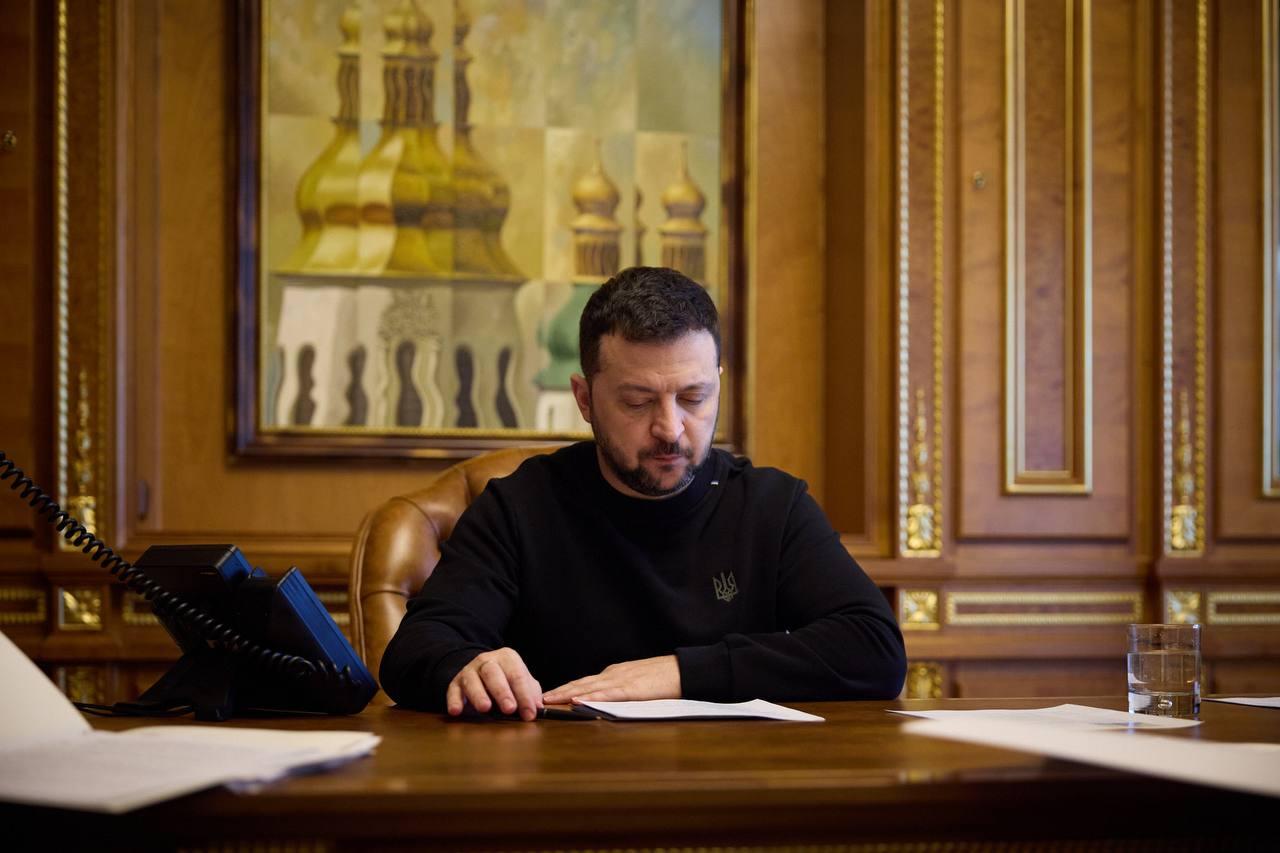
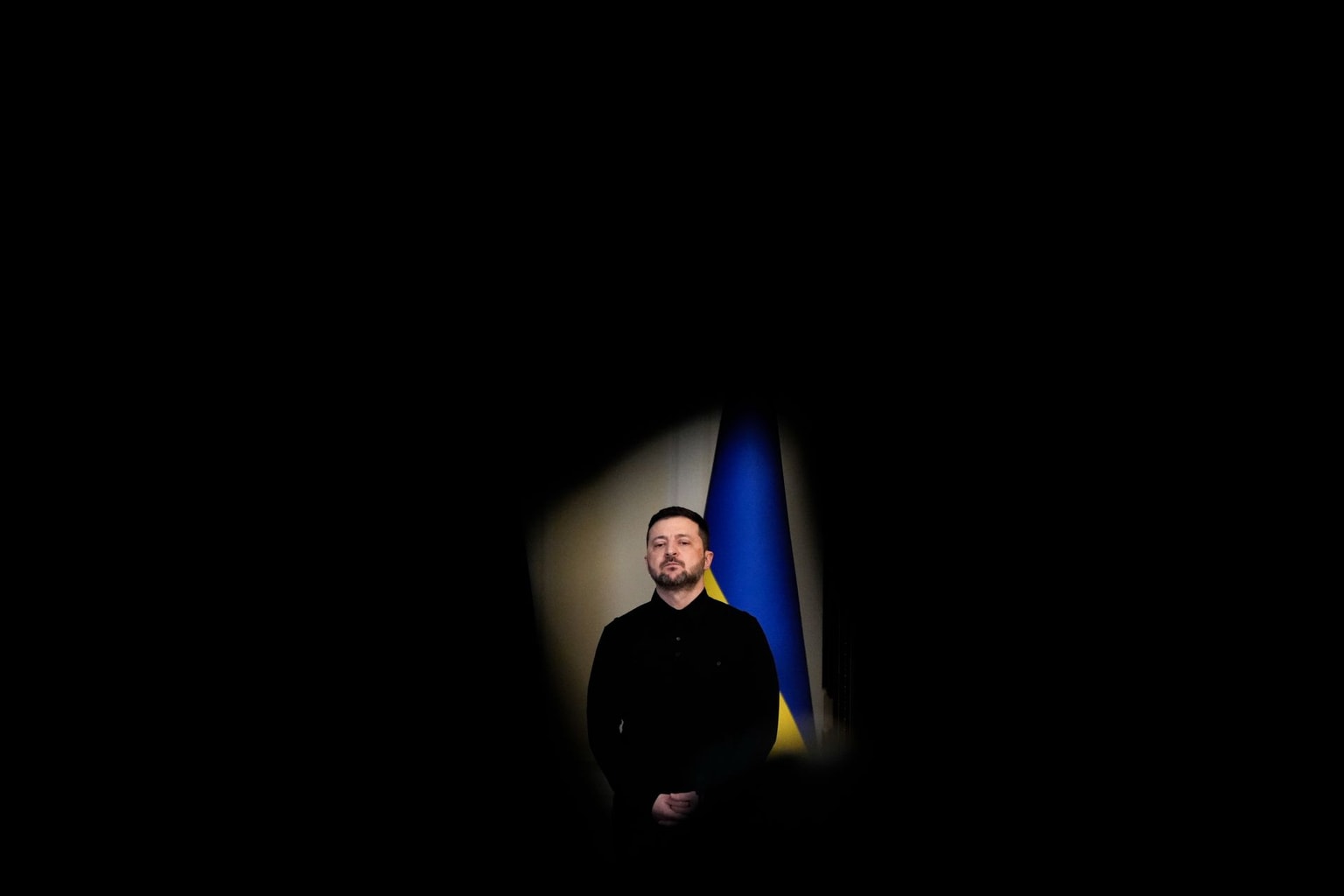
President Volodymyr Zelensky reiterated on Feb. 18 that Ukraine will not cede territory to Russia or withdraw from land it currently controls, as U.S.-brokered talks aimed at ending Russia’s full-scale invasion remain deadlocked over territory ahead of the war’s fourth anniversary.
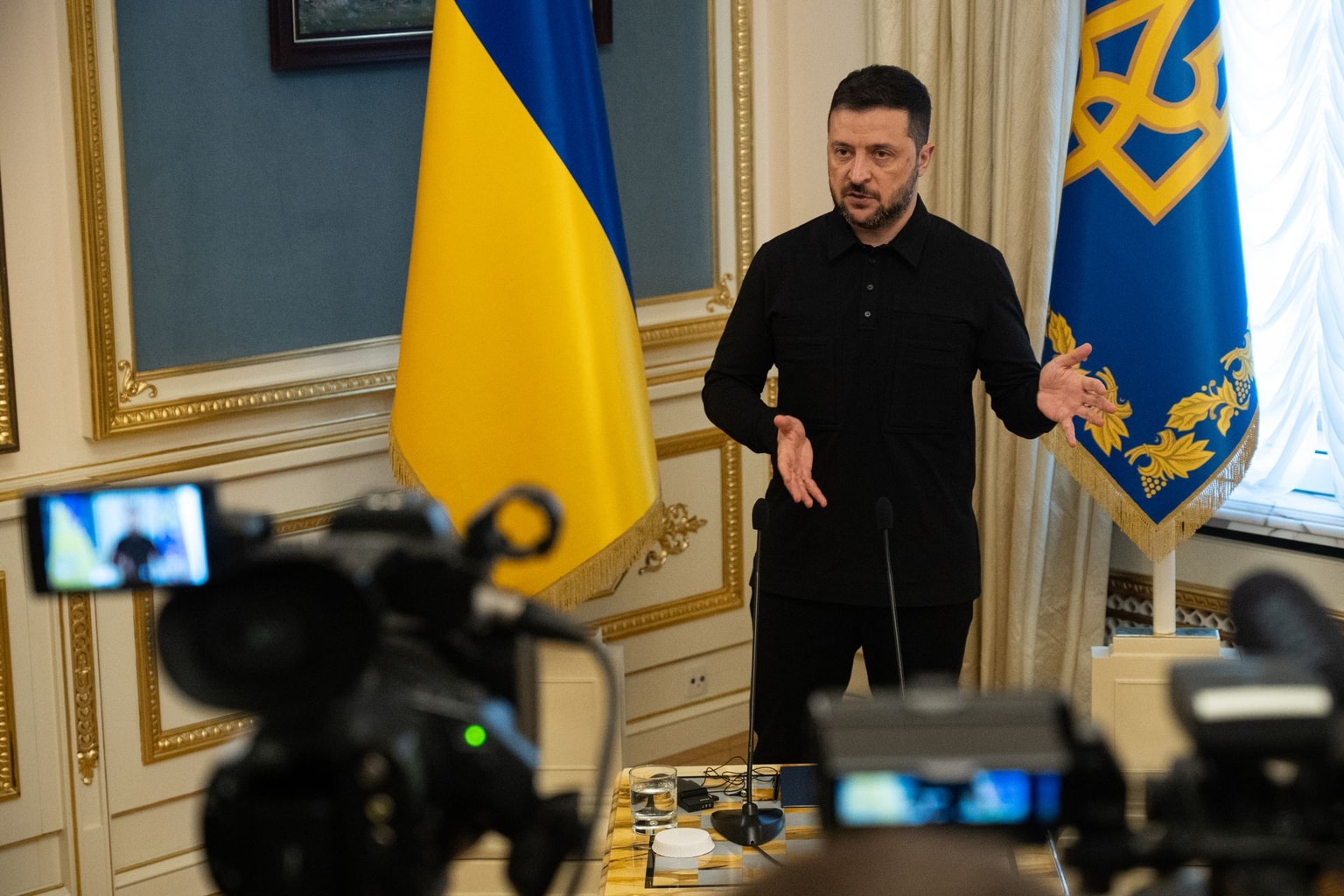
"Thousands, dozens of thousands of Ukrainians have been killed on this direction, defending this part of Ukraine," Zelensky said in an interview with British broadcaster Piers Morgan. "We have to understand that Donbas is a part of our independence. It's a part of our values. It's not about the land. It's not only about territories. It's about people."
Zelensky said negotiators have made more progress on technical discussions about how a potential ceasefire could be monitored than on political issues, while emphasizing that any durable settlement would require strong security guarantees and European involvement.
"When we speak about security guarantees, we mean strong guarantees that the rest of the world — or some countries — will be ready to respond if or when Putin returns with his aggression," Zelensky said.

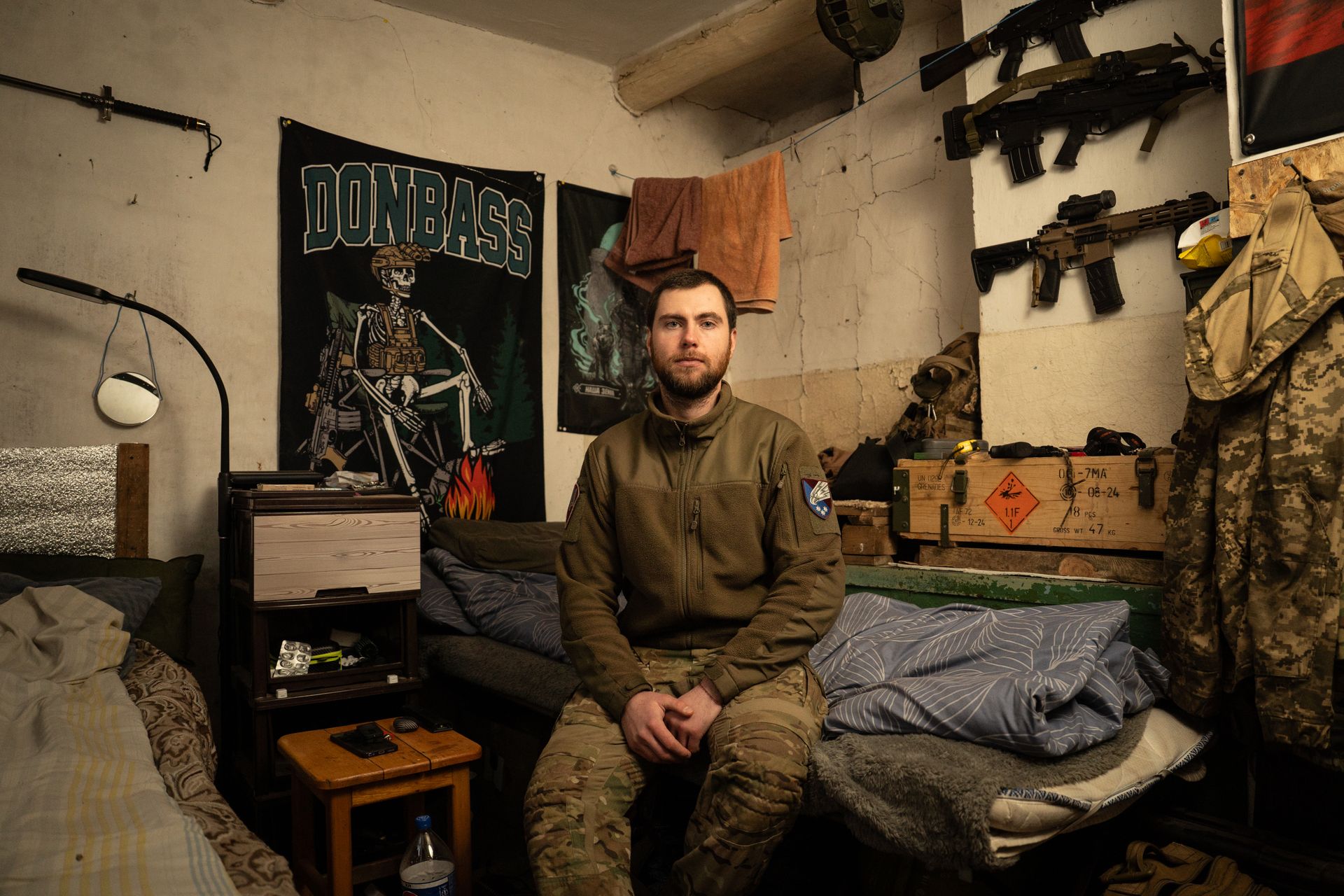
Zelensky described Ukrainians as exhausted after nearly four years of all-out war but said the country remains united, pointing to nationwide mobilization during winter energy attacks and rapid repair work in Kyiv and other cities.
"The most difficult situation was in Kyiv after all these energy attacks," Zelensky said, adding that "240 brigades… came to (restore critical infrastructure) in Kyiv from all their regions."
On the diplomatic track, Zelensky said the military and technical group discussions were closer to producing a detailed framework for a ceasefire monitoring mission, but he acknowledged that the political track remains contentious — especially on territory.
Talks in Geneva ended after two days of meetings that Russian negotiators described as "difficult but practical," while Zelensky said progress was insufficient and that the sides remain far apart on the political dimension. The next meeting will also take place in Switzerland, according to the president.
Zelensky stressed that Ukraine cannot accept Russia’s reported demand that Kyiv pull its forces from the remaining parts of Donetsk Oblast under Ukrainian control, calling any such proposal “unbelievable” and stressing that Ukraine does not recognize Russia’s occupation as legitimate. Reuters reported earlier this week that Zelensky warned Ukraine is too often asked — rather than Russia — to make concessions, as negotiations focus on freezing the current front line and other proposals.
Asked about dealing with Russian President Vladimir Putin, Zelensky dismissed the idea of personal trust and said Ukraine needs "institutional" security guarantees.
Zelensky also addressed domestic and political pressure around elections, saying Ukraine’s laws do not allow national elections during wartime, but adding that he would consider pushing parliament to change the law if a two-month ceasefire were secured — while cautioning that a short pause would not necessarily end the war.
"I will do my best, I will speak with Parliament. They will change the law... I hope so," Zelensky added.
In the same interview, Zelensky condemned what he called "double standards" in international sport, referencing Ukrainian skeleton racer Vladyslav Heraskevych’s disqualification at the Milano Cortina Winter Olympics for a "helmet of memory" honoring Ukrainian athletes killed in the war. Zelensky later awarded him Ukraine’s Order of Freedom.
He also criticized the International Paralympic Committee decision allowing Russian and Belarusian athletes to compete under their own flags at next month’s Paralympics, calling the move "dirty" and "awful."