Ukraine to allow weapons exports for first time since start of full-scale war
 on Google

Editor's note: An earlier version of this article reported that Ukraine was set to announce the details of the opening of weapons exports. It was updated to include the announcement, which followed shortly after publication.
Ukraine's government approved "the first transparent mechanism" for weapons exports from the country, the defense minister said on July 1, a move that defense companies have argued will help keep them afloat and grow the industry long term.
"For the first time, a clear procedure has been established that sets uniform rules for the state, manufacturers, and partners," Ukrainian Defense Minister Mykhailo Fedorov said in a post on Telegram.
While a wealth of innovative mil-tech companies have cropped up since Russia's full-scale invasion in 2022, the Ukrainian government has so far restricted them from exporting abroad. But Ukrainian defense firms now produce more than the state can afford to buy, prompting calls among companies to open up exports to allow firms to stay financially afloat while also expanding.
Fedorov said that the mechanism would "ensure that Ukrainian manufacturers have clear rules for working with international partners, can scale up production, attract investments, and at the same time guarantee the priority provision of needs for the Ukrainian Defense Forces."
Exports of weapons and technology will be limited to participant countries of the Drone Deal, a Ukrainian government initiative. Twenty-seven countries have signed up to the deal, including 15 NATO countries.
The changes will introduce a transparent procedure for Ukrainian manufacturers to apply for exports, Fedorov said.
"The entire process will be as digitalized and as streamlined as possible, and I hope you’ll enjoy selling your products to our partners," Defense Minister Mykhailo Fedorov told attendees at an event in Kyiv on June 30, a day before the announcement.
Fedorov noted at the conference that while Ukraine has "already adopted more than 50 legal and regulatory acts related to defense technology during the war," the government had been working on "this particular act for many months — indeed, for more than a year."
But the changes will take place "without the transfer of intellectual property rights," Fedorov said, and re-export will be possible with the written consent of Ukraine.
Fedorov also said that the needs of Ukraine's army will take priority over any exports.
The Kyiv School of Economics estimates that the high-tech segment of Ukraine’s defense sector reached $6.8 billion in 2025, though it says the true figure is likely higher.
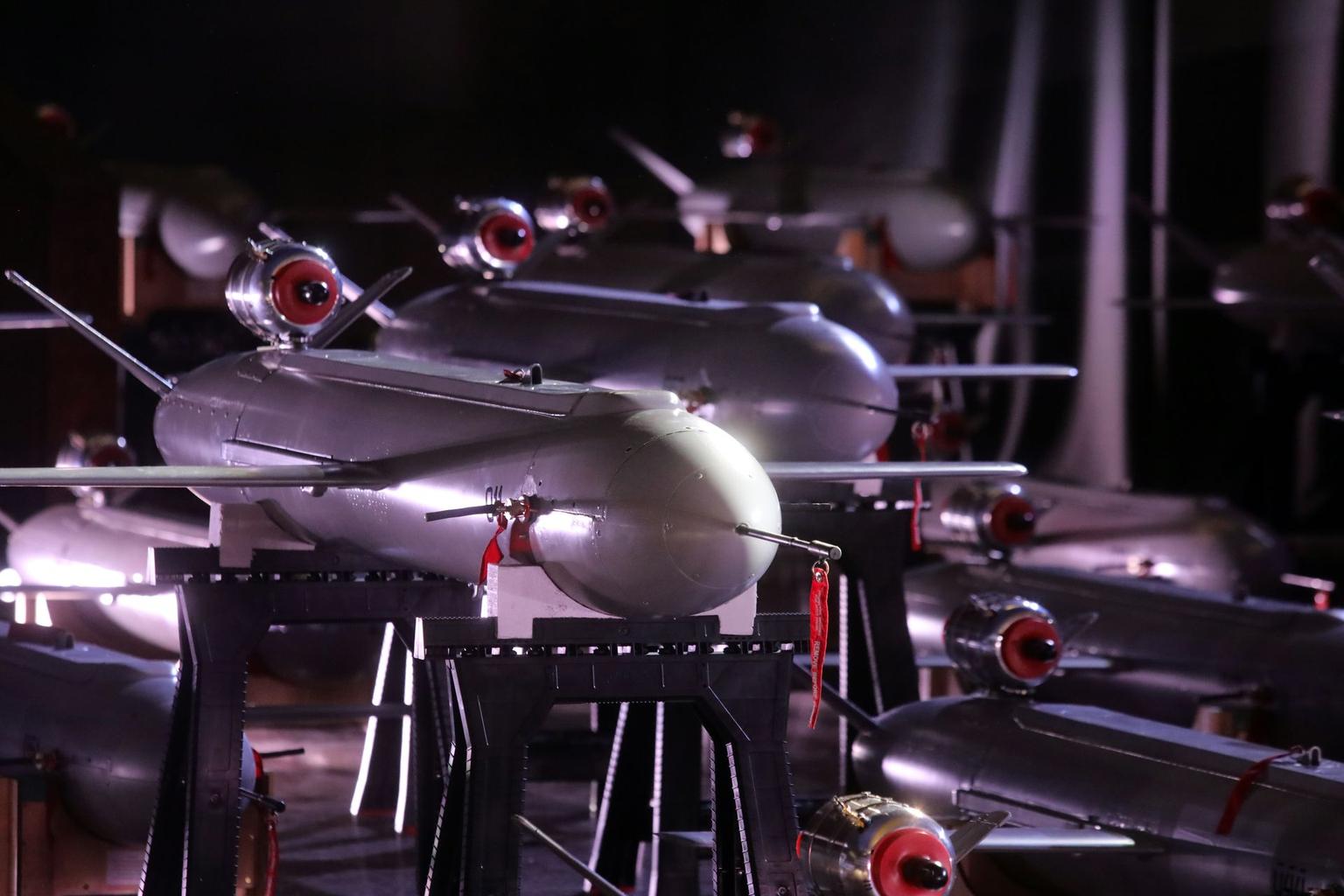
The CEO of FirePoint, a major producer of drones and Ukraine's flagship Flamingo cruise missile, said in May that the company had a valuation of $6 billion — a sign of the extraordinary growth of Ukrainian defense firms since the start of Russia's full-scale invasion.
While Ukrainian President Volodymyr Zelensky previously teased exports in February 2026, and the war in the Middle East injected fresh energy into the debate, Fedorov's comments are the most concrete step towards liberalized exports.
But it is unclear how impactful the changes to export controls will be. Ukraine, and particularly President Zelensky, have been reluctant to ease restrictions for fear that doing so could cause the outflow of weapons needed to fight the war.
"I hope it will make Ukraine a global player by allowing us to open exports, share our technologies, and help strengthen the democracies of our partners who are supporting us today," Fedorov said.