Swiss ruling strengthens Ukraine’s push to extract billions from Russia's Gazprom
 on Google
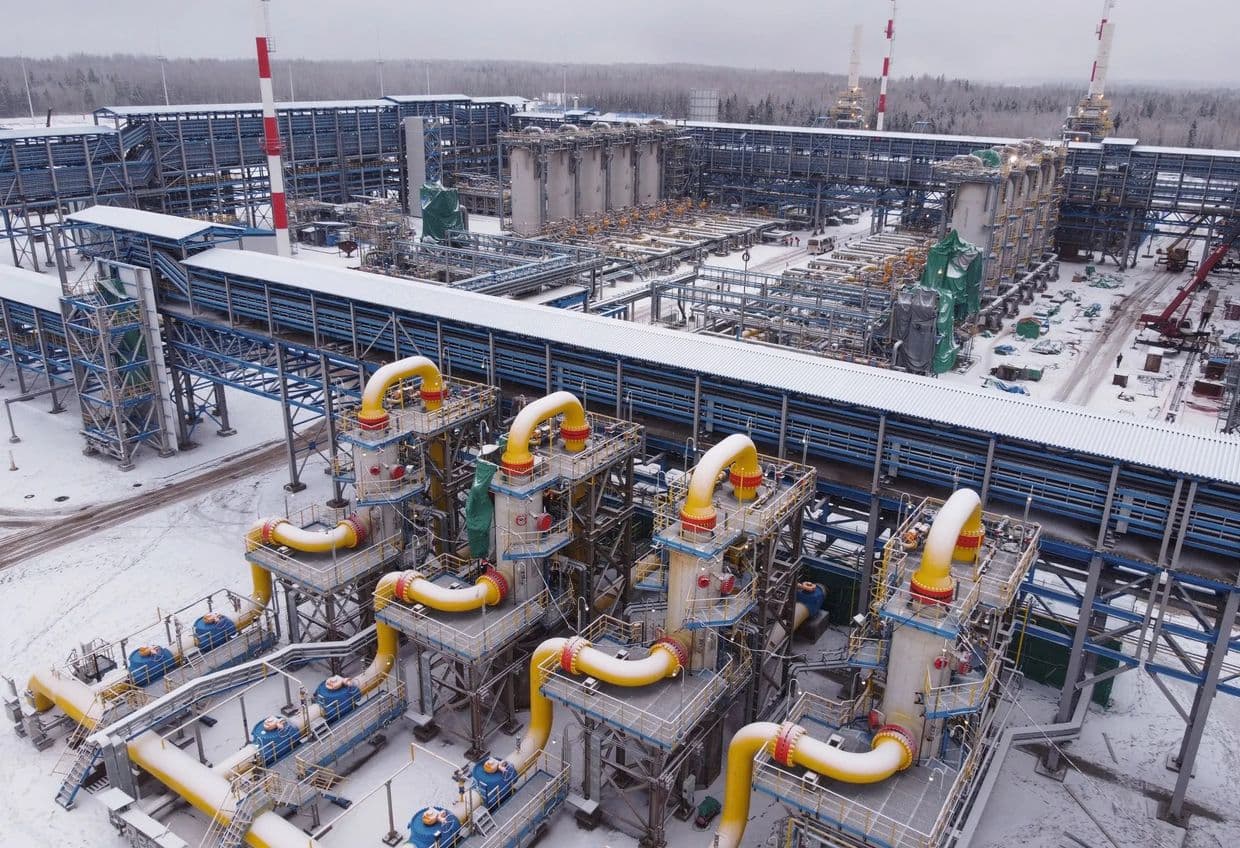
Ukraine's state-owned oil and gas giant Naftogaz won a case against Russia's Gazprom in a Swiss court, paving the way for the Russian company to pay more than $1.4 billion in debt.
Naftogaz launched proceedings against Gazprom in 2022, after the Russian energy giant refused to fully pay the Ukrainian company for transiting Russian gas via an alternative route amid logistical challenges caused by Russia's full-scale invasion, which violated contractual obligations.
An international court awarded $1.37 billion in debt to Naftogaz in June 2025. Gazprom then moved to annul the award, which today's decision rejected, Naftogaz said in a statement.
The court also ordered Gazprom to pay additional costs to cover court fees and other costs, totalling 450,000 Swiss francs ($571,000), as well as interest, Naftogaz said, bringing the total to over $1.4 billion.
"Switzerland’s highest court has confirmed the validity of the arbitral award and definitively rejected the Russian side’s arguments," said Serhii Koretskyi, CEO of Naftogaz, in a statement on March 13.
"Naftogaz will carry on working on the enforcement of this award and is continuing a number of other proceedings against the aggressor country,” he said.
Ukraine hopes to recover a total of $6.9 billion in arbitration damages from Gazprom, Ukrainian President Volodymyr Zelensky said in June last year. The sum includes $5 billion in losses that Naftogaz sustained during Russia's occupation of Crimea in 2014.