Ukraine sanctions Russian postal services delivering to occupied territories, Zelensky says
 on Google
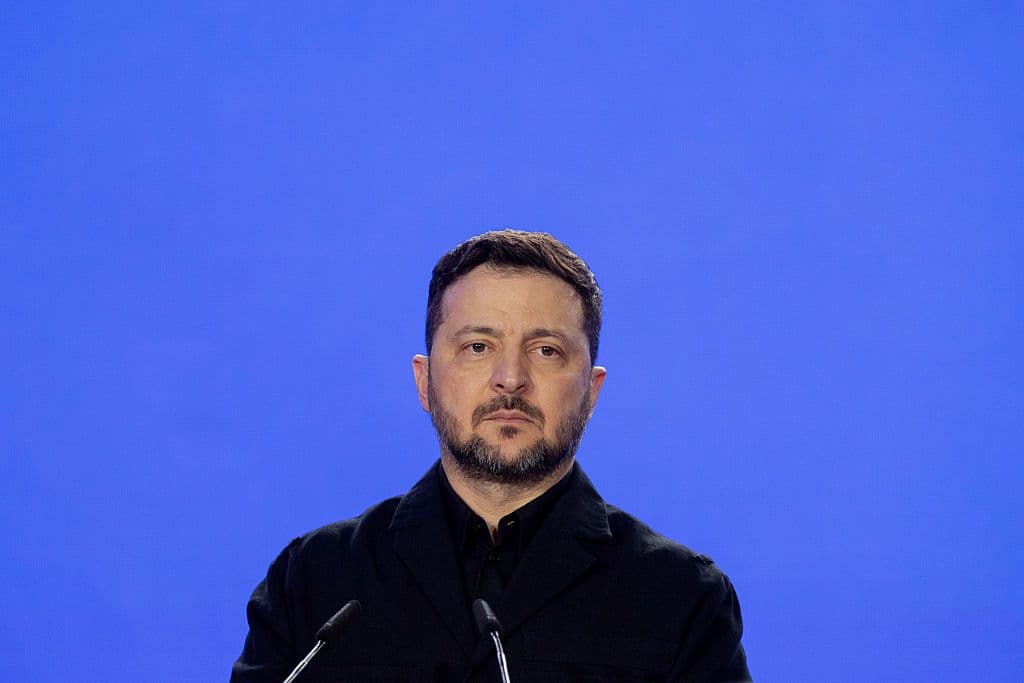
President Volodymyr Zelensky signed a decree enacting sanctions on 10 Russian logistics companies delivering cargo to Russian-occupied territories in Ukraine, the President's Office said on Feb. 28.
The Office said that the entities sanctioned include private Russian companies operating in the occupied territories and providing logistical support to the Russian military, which is currently waging offensives on multiple axes of the front.
The sanctions were imposed to restrict supply channels that are delivering microelectronics from Western countries, the President's Office cited Vladislav Vlasiuk, the president's representative on sanctions policy, as saying. The relevant information had been passed on to Western allies, according to Vlasiuk.
Among the companies sanctioned are Russian DPD service and Freightlink, joint-stock companies registered in Russia, according to a document attached to a decree published on the Office's website, signed by Zelensky on Feb. 27.
"The special role of postal services is to deliver microelectronics from abroad," the Office cited Vlasiuk as saying.
"It is not normal for a microchip to be sent by mail from Germany to Moscow."
The sanctions come shortly after Russia's full-scale invasion of Ukraine reached the four-year mark, where Russian troops continue to thrust forward in many sectors across the front line and launch indiscriminate attacks on civilians nationwide.
Throughout the war, Russia has relied on Western technology, such as microchips, to produce weapons to deploy in its war against Ukraine. Russia has built a robust system to bypass the Western sanctions to continue importing Western technology. Ukraine's military intelligence (HUR) regularly publishes a list of Western components found in Russian weapons.
President Volodymyr Zelensky said in October that the missiles and drones that Russia used to attack Ukraine on Oct. 5 "contained over 100,000 foreign-made components," including those from American, German, and British companies.
The President's Office said on Feb. 28 that the newly sanctioned entities include Russian companies that are using Ukrainian state-owned postal service Ukrposhta's infrastructure in the occupied territories, turning such sites into a passport office, where Russian occupation authorities illegally hand out Russian passports and issue summons.
Russian postal services that have circumvented sanctions by creating channels for the "so-called parallel import" of dual-use goods, such as electronics and drones, were also sanctioned, according to the President's Office.