Ukraine's anti-corruption chief caught between pressure to halt probes and expectations to go further
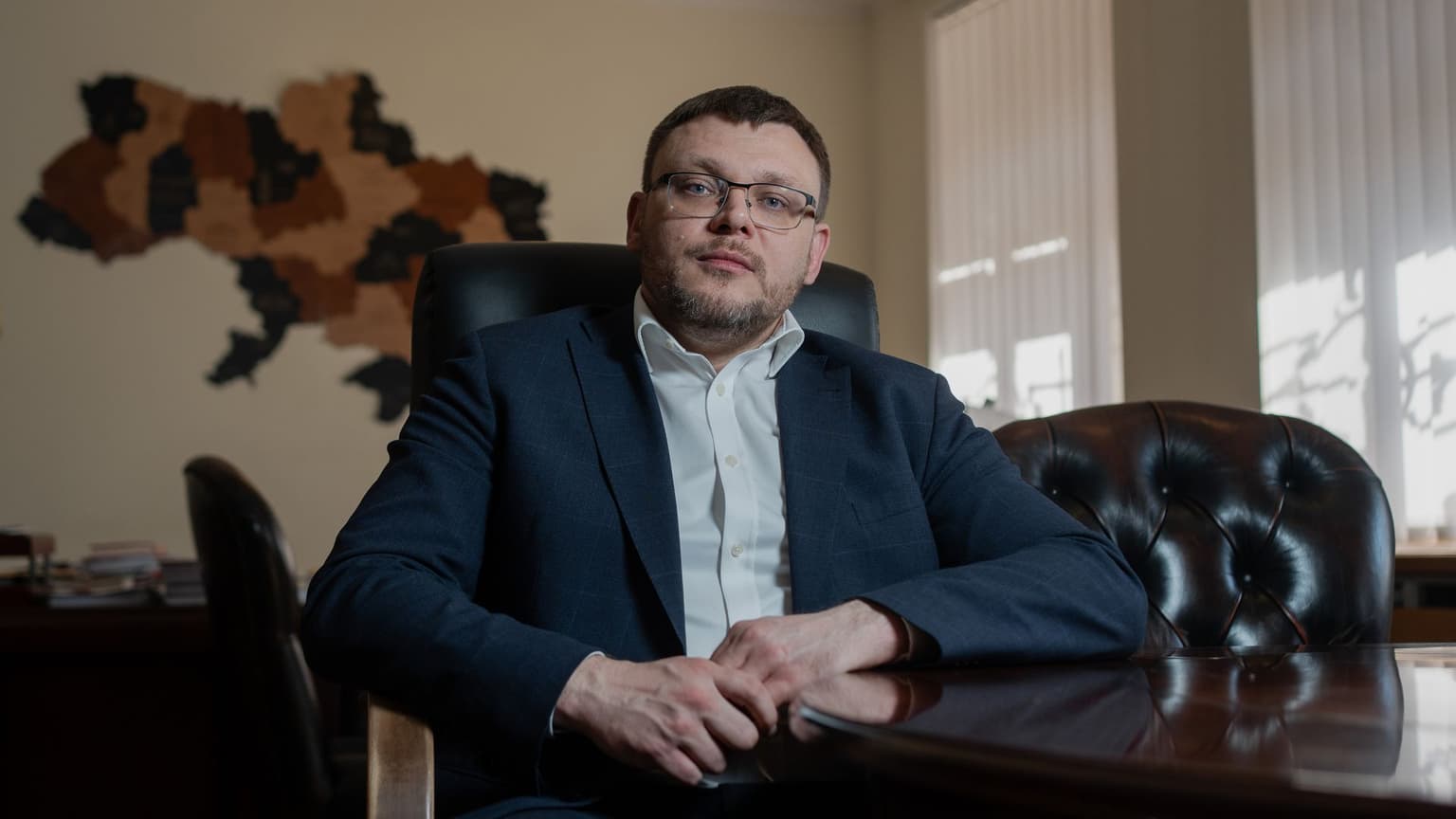
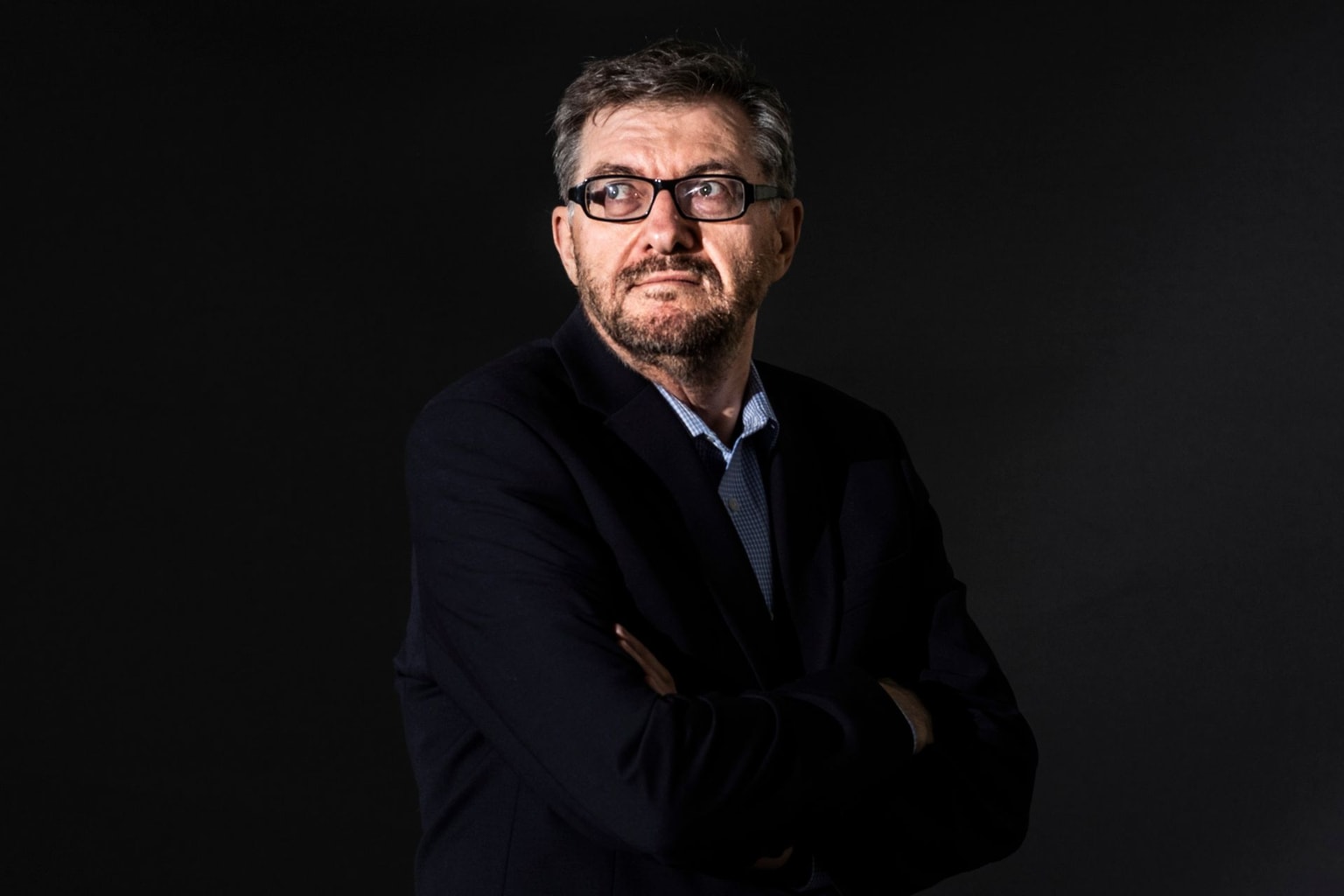
NABU Director Semen Kryvonos in Kyiv, Ukraine, on March 20, 2026. (Danylo Pavlov / The Kyiv Independent)
 on Google
Over the past year, a string of scandals has pushed Ukraine's independent anti-corruption agency into the spotlight.
After surviving a government power grab in July, the National Anti-Corruption Bureau of Ukraine (NABU) exposed a $100 million corruption scheme involving several ministers and a former business partner of the president.
Parliament has not been spared, with around 50 lawmakers now charged or on trial in cases brought by the bureau.
Four years into Russia’s full-scale war, Ukraine’s anti-corruption fight is unfolding under extraordinary pressure. Western skeptics point to corruption scandals to question continued military and financial aid, while adversaries inside the country try to stop investigations into top-level graft.
Yet, public sentiment inside Ukraine mostly sides with investigators. Polls consistently show strong support for anti-corruption institutions and investigations, underscoring a society that — even in wartime — is demanding accountability.
The Kyiv Independent sat down with NABU Director Semen Kryvonos to discuss government pressure, the Energoatom corruption case, allegations of parliamentary blackmail — and why he argues all of it proves Ukraine is not corrupt.

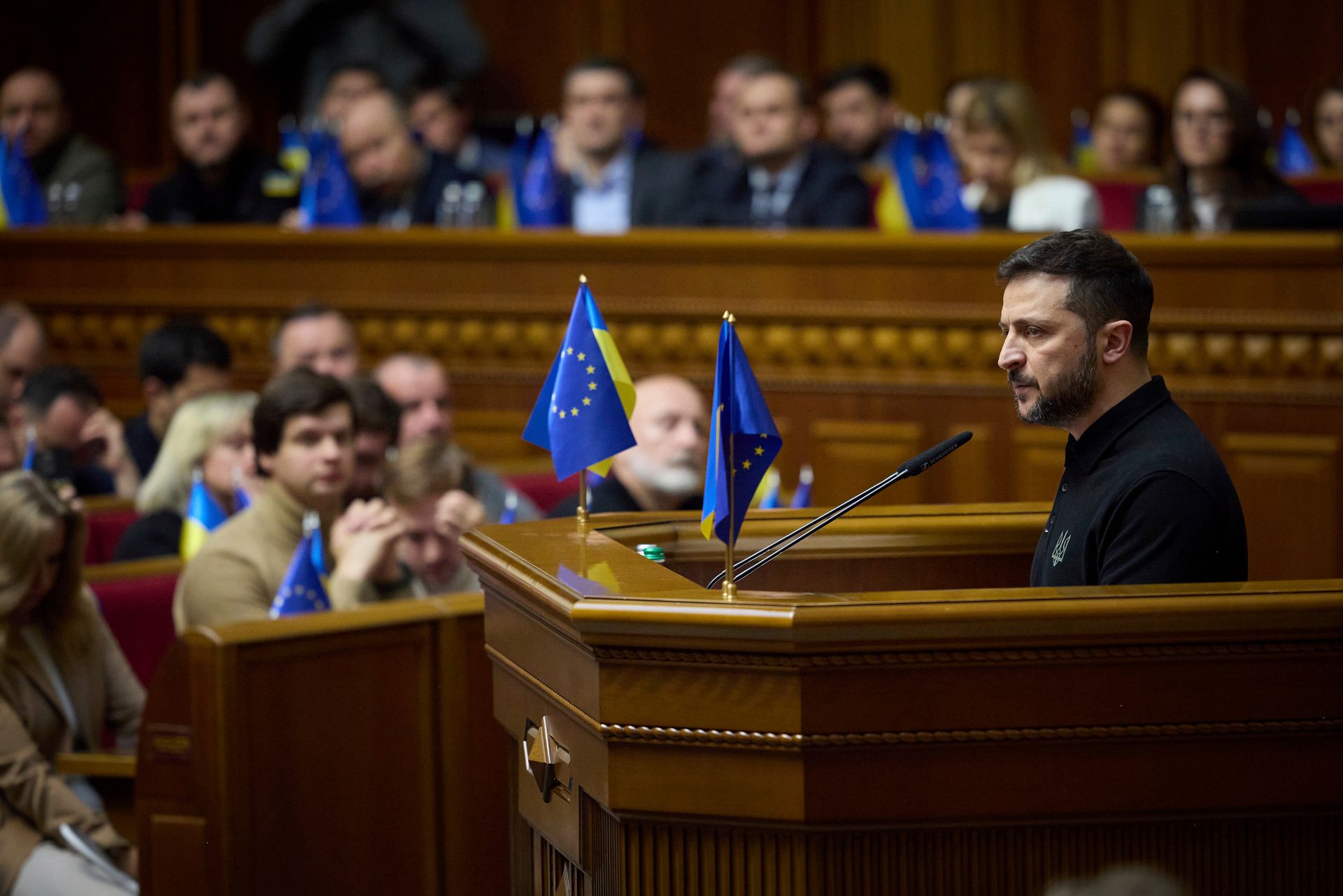
The multimillion-dollar probe
At the center of NABU's most famous recent work is a $100-million corruption scheme involving Energoatom, Ukraine's state nuclear monopoly — the biggest corruption scheme uncovered during President Volodymyr Zelensky's tenure — and the one closest to him.
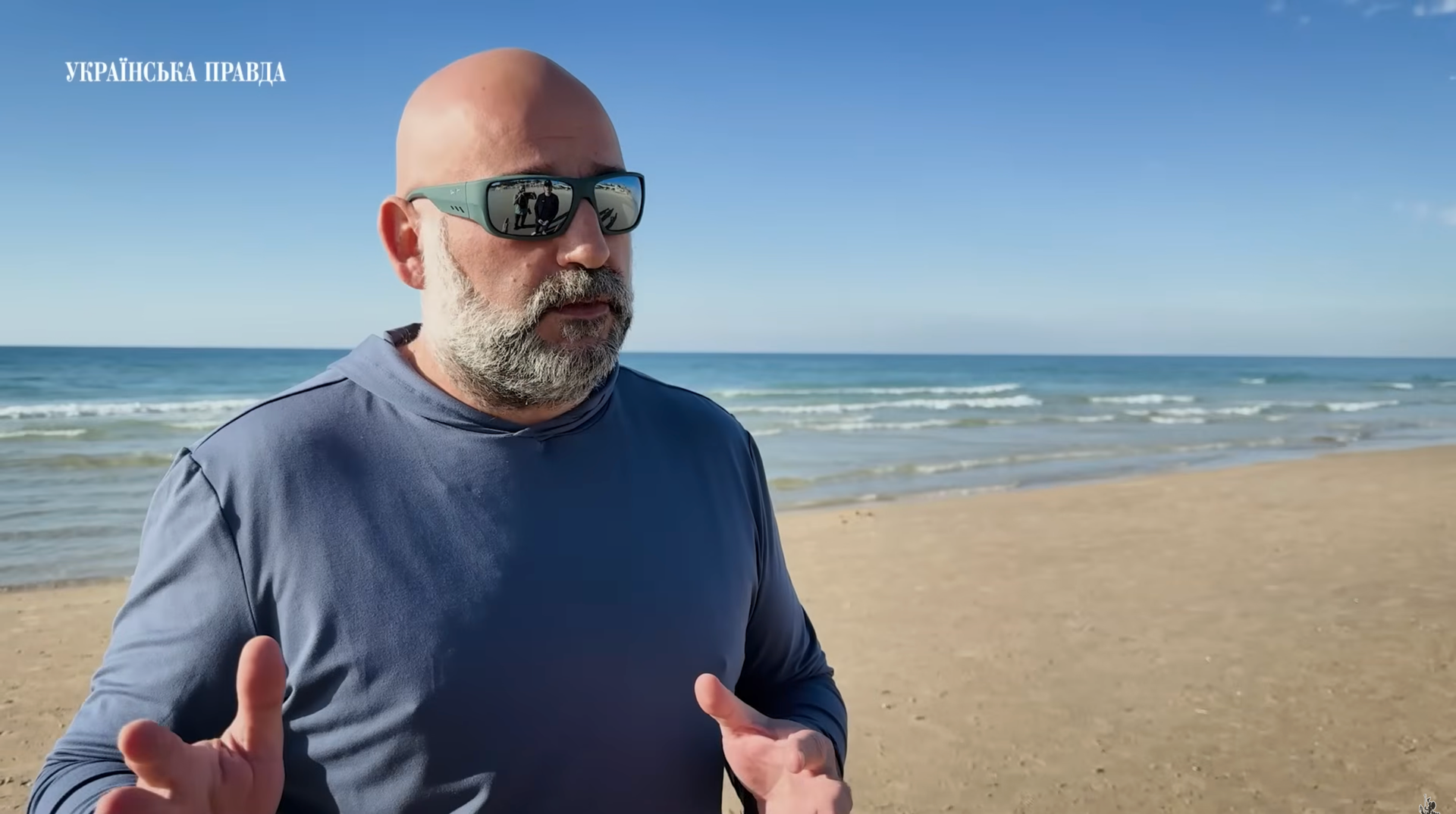
The probe, opened last year, has already resulted in charges against nine suspects, including businessman Timur Mindich, described by investigators as a central figure in the scheme, as well as former Deputy Prime Minister Oleksiy Chernyshov and ex-Justice Minister Herman Halushchenko.

Mindich was able to escape justice by fleeing the country (Ukraine is now asking Israel to extradite him), while Chernyshov and Halushchenko remain in Ukraine.
Evidence cited in the case includes audio recordings obtained by NABU, in which participants allegedly discuss financial flows and coordination at the highest levels of government. Reporting by investigative outlet Bihus.info, based on those materials, suggested that funds from the scheme were funneled into high-end housing developments for politically connected individuals.
For NABU Director Kryvonos, the case is emblematic of the bureau's mandate to pursue corruption regardless of rank or political sensitivity.
The case is also emblematic for observers watching whether the agency will follow through and bring the case to court.
Untouchable? Questions around Yermak and Umerov
It is not only who has been charged but also who has not that has fueled the most intense scrutiny.
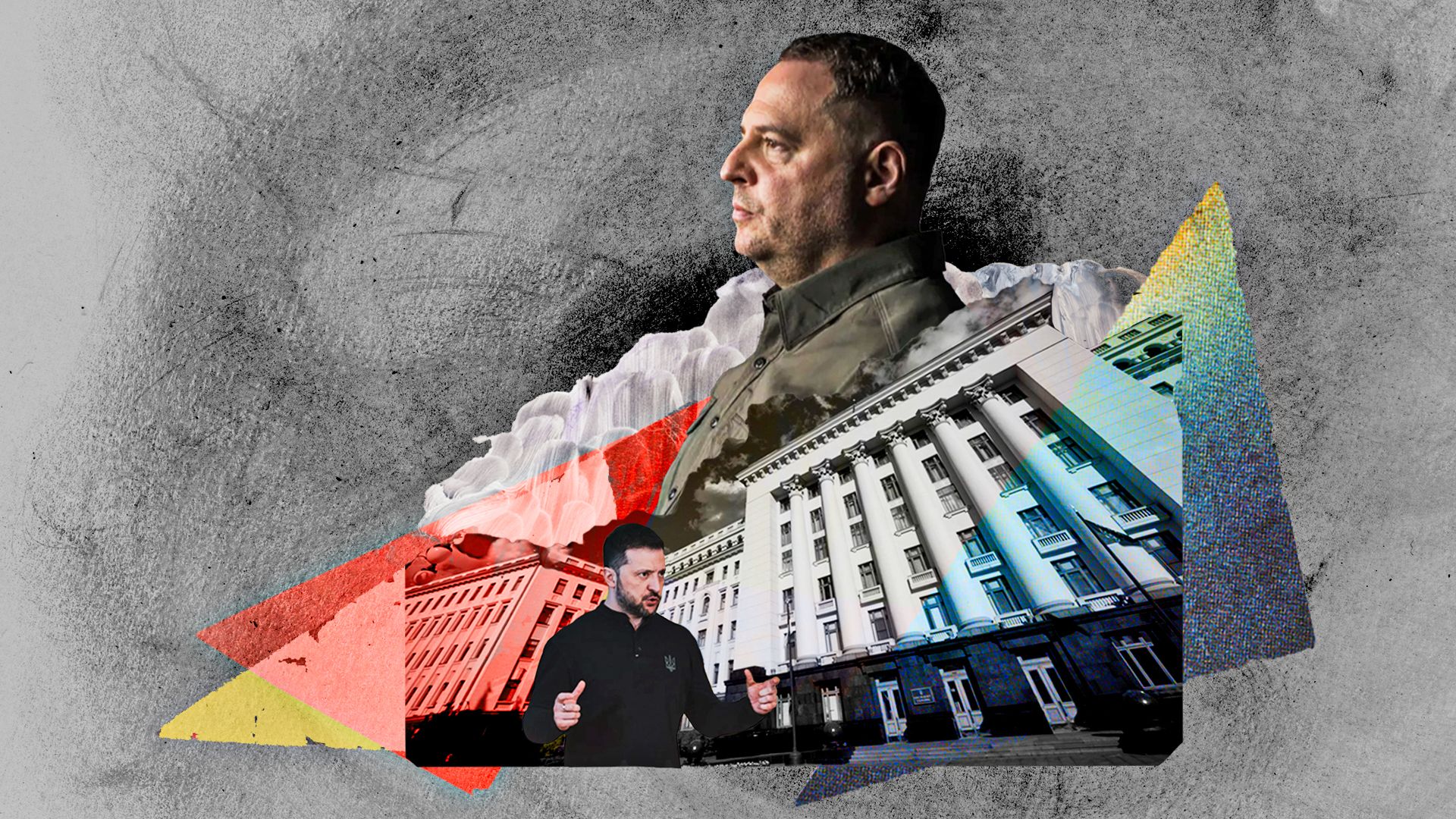
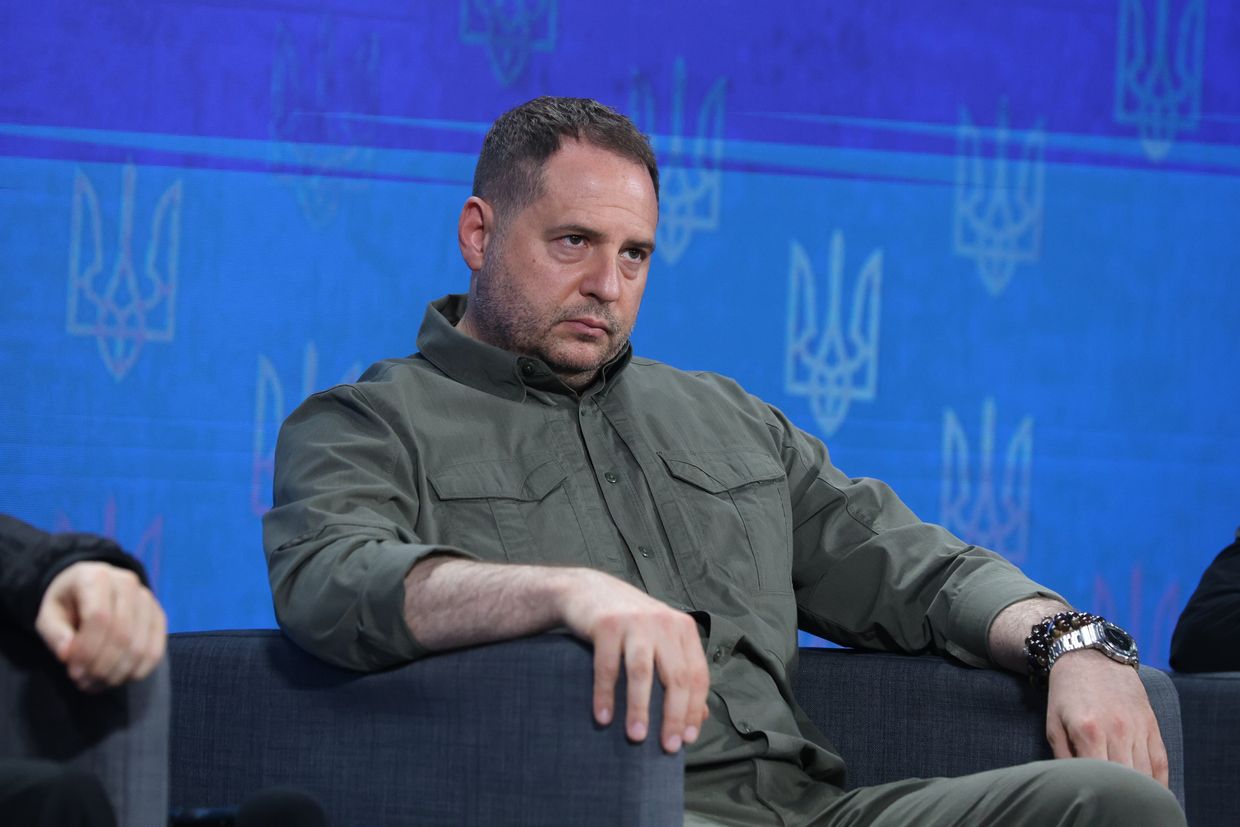
Among the most controversial figures linked to the Energoatom case is Andriy Yermak, Zelensky's former chief of staff. Law enforcement sources and media reports have suggested that one of the luxury houses financed through the scheme was intended for Yermak.

Yermak resigned in November following NABU searches at his premises, a move interpreted as a sign of charges coming against him in the Energoatom case.
Months later, however, no charges have been brought. While NABU supporters argue that the delay reflects the need to build a legally sound case, critics see a more troubling pattern.
"If there had been nothing there, the president likely wouldn't have fired him," said Daria Kaleniuk, executive director of the Anti-Corruption Action Center. "So why is there no continuation?"
Similar questions surround Rustem Umerov, Ukraine's former defense minister and now secretary of the National Security and Defense Council. Investigators allege that Mindich attempted to influence Umerov to approve a contract for bulletproof vests, though the deal was never finalized.
According to the charges brought against Mindich, he committed his alleged crimes by influencing Umerov and Halushchenko, the former energy and justice minister.
The charges state that Mindich pressured Umerov to conclude a contract with an Israeli company for the supply of bulletproof vests.
Umerov has not been charged, and some analysts argue that it may be difficult to prove wrongdoing, given that the contract was never executed.

Kryvonos rejected suggestions that certain figures are shielded from scrutiny, insisting that investigators proceed based on evidence alone.
"First, we bring all cases to an end," he said. "Where there is a crime and sufficient evidence has been collected. We do not differentiate by level of influence or political preferences."
"Therefore, we are moving forward; we will comment only when we have the appropriate procedural grounds for it," Kryvonos added.
"There is a suspicion that the head of the criminal organization you mentioned (Mindich) had influence over the former defense minister (Umerov)," Kryvonos said. "The defense minister does not have this status (of a suspect) directly."
"There are no grounds (for charges)," investigative journalist Yuriy Nikolov said. "My experience and my observations of procurement processes are enough to understand that a single mention in the recordings is definitely not sufficient to open a case."
Umerov denied the accusations in November, saying that "any attempts to link my work at the Defense Ministry with the 'influence' of certain individuals are unfounded." He admitted meeting Mindich but said the contract was terminated.
For Nikolov, the lack of clarity leaves multiple explanations on the table. "We simply see nothing — there is a fog of war," he said. "The explanations here can be both bad and good. And all of them could be valid."
Kryvonos dismissed allegations of political interference, maintaining that both cases remain active. But as the investigation drags on, the absence of formal charges against top officials risks becoming as politically consequential as the allegations themselves.
Some critics believe that the lack of progress regarding Yermak highlights a constant problem with high-profile NABU cases.
Parliamentary blackmail
Another challenge that the NABU faces is the accusations made by some members of parliament.
They allege that reforms are not implemented and draft laws are not passed because the anti-corruption institutions have charged some of them with bribery and illicit enrichment, and are allegedly investigating many more — making a significant portion of parliament feel like a moving target.
Earlier in March, members of parliament complained about the NABU's activities at a meeting of faction leaders, a source in parliament told the Kyiv Independent.
In December, the bureau charged five lawmakers from the Servant of the People with taking cash in exchange for parliamentary votes.
Another corruption scandal erupted in January, when Yulia Tymoshenko, the leader of the Batkivshchyna (Fatherland) party and one of the most emblematic figures of Ukrainian politics, was charged with offering bribes to members of parliament.

Now, some lawmakers claim they are hesitant to vote due to the fear of being charged. They blame the bureau for the ongoing parliamentary crisis, with lawmakers failing to pass several key bills necessary for receiving Western funding and aligning with the European Union.
Lawmakers from the president’s faction have attempted to portray the recent charges as tied to their voting rather than to payments received in exchange for specific votes.
A source in the President's Office told the Kyiv Independent that such a problem exists, hindering the work of parliament.
Kryvonos denied these accusations.
"In general, we are committed to normal communication with the Verkhovna Rada," he said. "And we are in favor of the parliament voting for European integration laws, for the development of anti-corruption infrastructure, as well as for what the International Monetary Fund requires."
He also argued that the NABU "can't refuse to investigate someone if this person committed corruption."
"This should be completely out of the question," Kryvonos added. "Because if we don't investigate someone, and they vote, then we need to end this conversation here. We would become part of the political process, which is absolutely illegal on our part."
He urged lawmakers "not to commit corruption crimes, and accordingly, there will be no questions from the National Anti-Corruption Bureau."
"We are outside the political process," Kryvonos argued. "We do our job. If there is a report of a crime, we must investigate it. This is our obligation, this is a duty. Article 216 of the Criminal Procedure Code says that we must investigate corruption committed by members of parliament. How can we be accused of doing our job?"
External pressure
Sources told the Kyiv Independent that some Ukrainian lawmakers intended to complain to European Union officials about the bureau's activities in an attempt to pressure them into reining in the independent anti-corruption agency.
Kryvonos said that "individual representatives of the parliament communicate with our partners, including the European ones, conveying the idea that we broke the parliament or something else."

"The only idea that we convey to representatives of various European institutions is that we didn't break anything, we're doing our job," he added. "So, for any of our partners to tell us what to do or what not to do is all myth and conspiracy. We are not under the influence of Brussels or Washington."
He said that receiving instructions on criminal investigations from Western governments would be "unacceptable," adding that the U.S. has seemingly lost interest in the fight against corruption altogether.
Kryvonos noted that he has never met with U.S. Chargé d’Affaires Julie Davis, who has been in Kyiv for nearly a year. Under previous envoys and administrations, regular meetings between American officials and Ukraine’s anti-corruption bodies served as a visible signal of support for the rule of law — a practice that has largely faded over the past year.
Even so, Kryvonos dismissed the idea of outside influence, stressing that such interactions were always symbolic.
“I simply cannot even imagine a situation where someone from an embassy comes to me and tells me what to do and what not to do,” he said.