Key Ukraine Events (17-23 August): Rada back from recess, Zelensky plans to pressure Putin
 on Google
Editor's note: This article is a shortened on-site version of KI Insights' public newsletter. Sign up here to start your week with an agenda of Ukraine-related events delivered directly to your inbox every Friday.
The Week Ahead Podcast is available on Spotify and Apple Podcasts.
Parliament returns from recess with protests over the vacant defence ministry set to re-intensify. Lawmakers’ agenda will be dominated by the Customs Code, tied to the next EU loan tranche. Witkoff and Kushner are expected in Kyiv, and reportedly Moscow too, in a trip that may reveal the substance of Zelensky's plan to pressure Putin. EU sanctions close in on crypto platforms used to evade restrictions on Russia.
Protests to intensify as Rada returns from recess
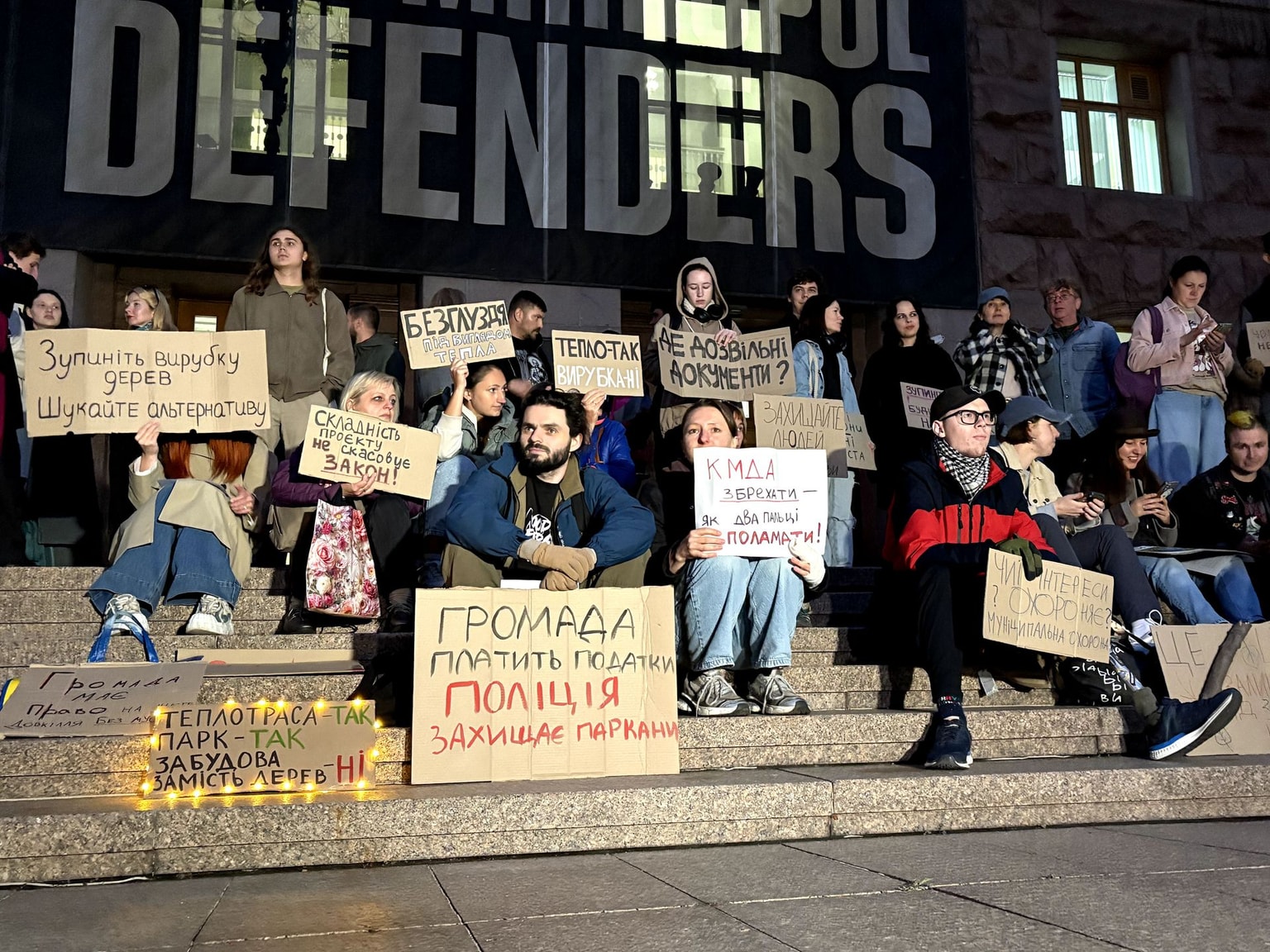
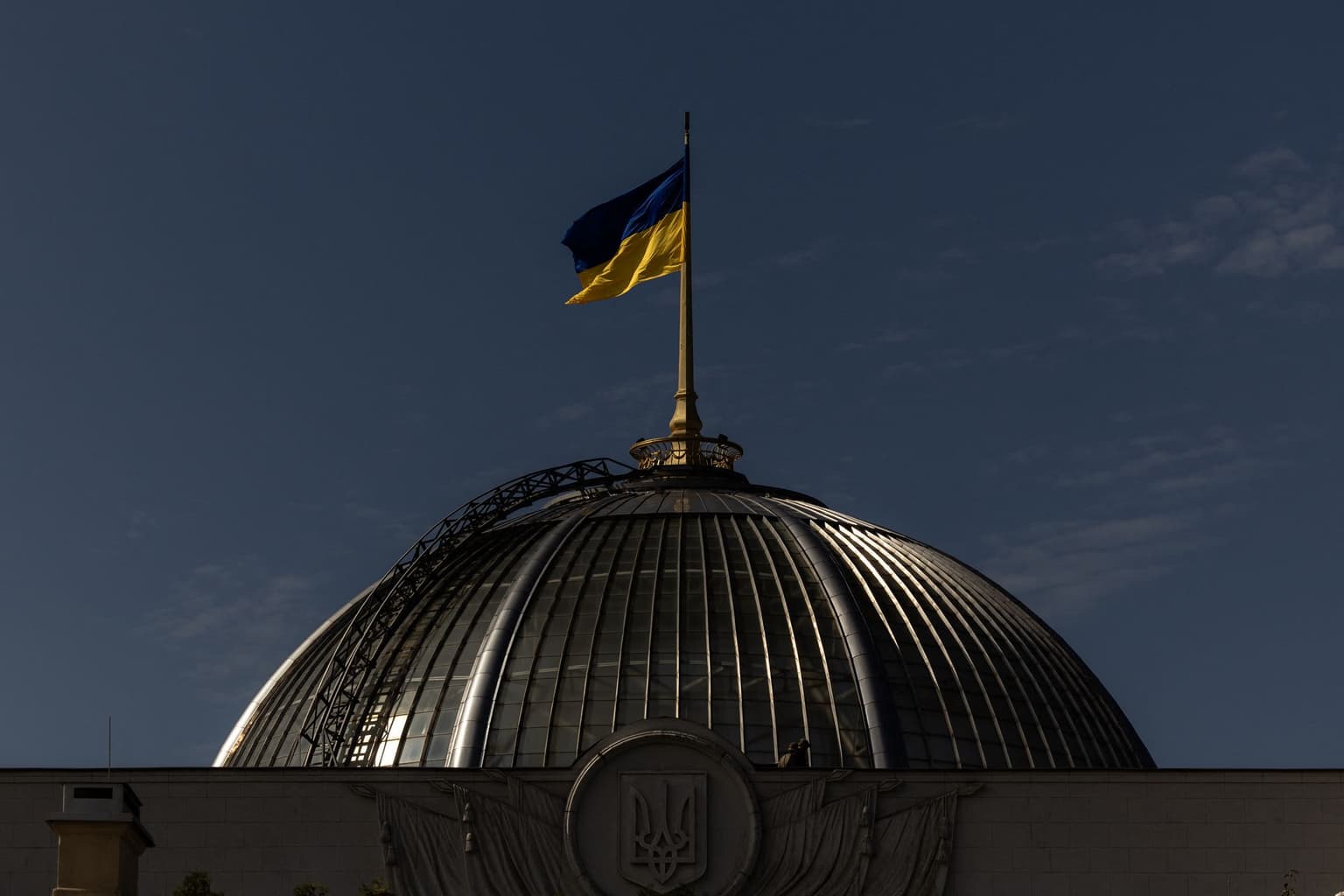
The biggest event to watch in Ukraine next week is parliament's first session since the summer recess, running 18-21 August. Street protests in Kyiv and other cities, which began after the dismissal of Defense Minister Mykhailo Fedorov, are now in their fifth week. Parliament's return raises the possibility of appointing a new defense minister and, alongside it, a foreign minister, the two cabinet posts that have sat vacant since mid-July.
Protesters have planned a march for Sunday. The last such rally, on 31 July, drew around 6,000 people. Activities are expected to continue through the week, running alongside the Rada session.
Vote for new Custom Code
The most consequential item on parliament's agenda is Bill No. 15450, the draft Customs Code of Ukraine. Its passage is a structural benchmark under the EU's loan (macro-financial assistance component) and a condition for releasing Ukraine's third tranche of roughly €1.45 billion. The new code is due to take full effect by the end of 2027 after a transition period. Its original draft included a law-enforcement unit within the State Customs Service, though the finance committee recommended stripping that provision ahead of the second reading.
Also on the agenda are several other bills tied to EU financing, including No. 14271, on implementing EU legislation on renewable energy sources, and No. 13450, on energy infrastructure projects of public interest. Draft resolution No. 14012, on forming an advisory expert group to pre-select candidates for the Accounting Chamber, is also on the agenda. It stems from Ukraine's $8.1 billion IMF Extended Fund Facility program approved in February, with a year-end deadline attached.
Witkoff and Kushner expected in Kyiv
U.S. Special Presidential Envoy Steve Witkoff and senior White House adviser Jared Kushner could visit Kyiv as early as next week, after weeks of reports that the trip would come in the second half of August. It would be their first visit to Ukraine since taking on the Russia file, after multiple trips to Moscow without a matching visit to Kyiv.
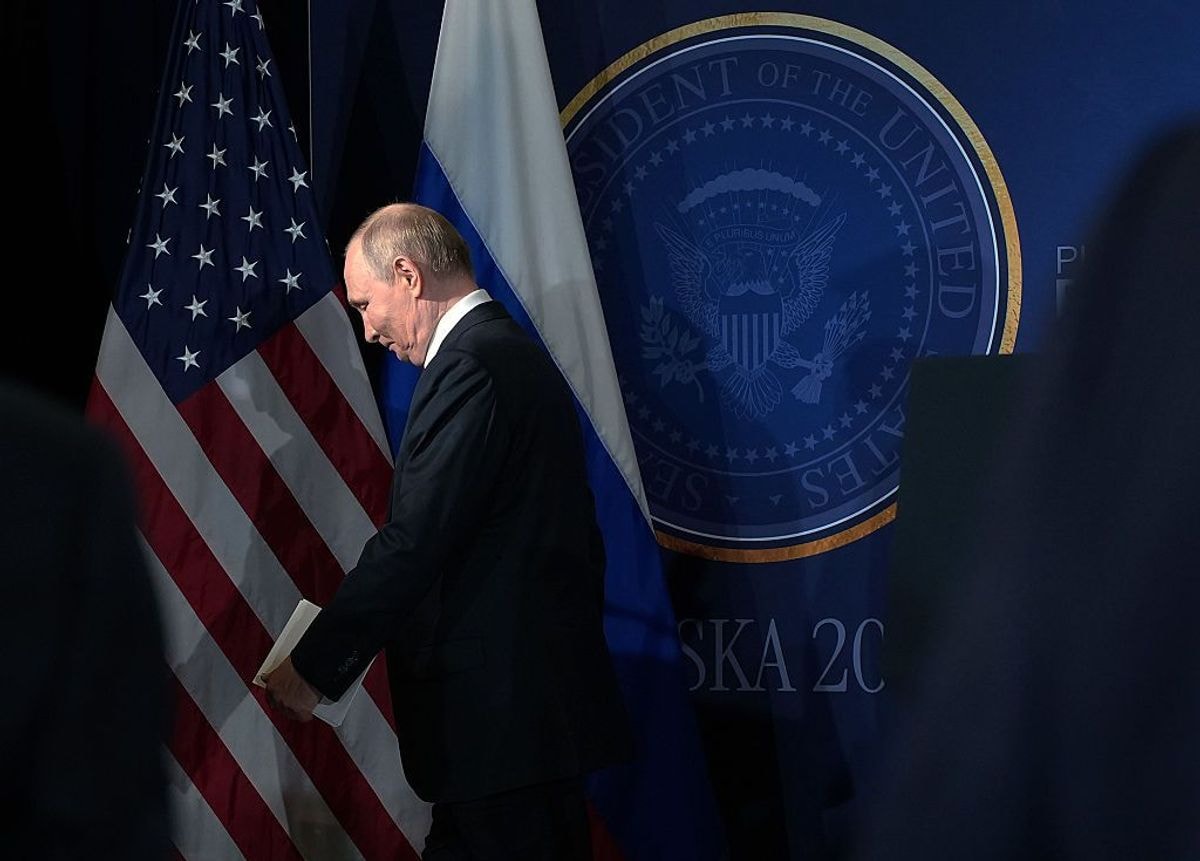
The visit is expected to be the venue where Zelensky's plan to pressure Putin into ending the war, teased on 12 August without detail, is finally laid out to the Americans. As of the envoys' 11 August call with Ukrainian officials, Washington had still not been shown the substance of the plan.
Witkoff and Kushner are also expected to travel on to Moscow as part of the same trip, placing both capitals within a single diplomatic push, though neither the White House, the Kremlin, nor Kyiv has confirmed dates.
Ukraine's battlefield is evolving as drones reach farther, glide bombs strike deeper, and movement becomes increasingly dangerous. In the latest Ukraine Insights episode, KI Insights analyst Mykolaj Suchy examines frontline conditions, FPV operations, Russian infiltration tactics, and the impact of mid-range strikes on Russian logistics. Available on YouTube, Spotify, and Apple Podcasts.
EU sanctions catch up with crypto platforms
Fourteen crypto and payment platforms come under an EU transaction ban from 23 August, the crypto portion of the 21st sanctions package that member states held back when the rest of the package took effect earlier this month.
The list includes HTX, formerly Huobi, along with EXMO, BitPapa, Rapira, and several smaller operators spanning Georgia, Panama, the UAE, the Marshall Islands, Kyrgyzstan, and Belarus. Once the ban takes effect, EU persons and firms are barred from transacting with these platforms, directly or indirectly, though the measure stops short of a full asset freeze.
The package also creates a new tool letting the EU block transactions with crypto providers based in any country found to be systematically enabling sanctions evasion, though no jurisdiction has been added to that list yet. A related but separate measure targeting Belarusian nationals' ownership of EU-regulated crypto businesses takes effect two days later, on 25 August.
Ex-ambassador appeals corruption charges
Olha Stefanishyna's corruption case returns to court next week, when the Kyiv Court of Appeal is due to hear her challenge to the preventive measure imposed on 6 August. She missed the deadline to pay the UAH 6 million ($130,000) bail set by the High Anti-Corruption Court, and her defense filed an appeal instead, contesting both the measure itself and its size. The bail was ultimately paid on 13 August by her former colleagues at the law firm Illiashev and Partners, who now serve as her defense lawyers, though the appeal is still expected to proceed.
The case has also revived a broader debate in Kyiv about how Olha Stefanishyna kept her post for as long as she did despite long-standing allegations, with critics arguing loyalty to Zelensky mattered more than integrity in his appointments, a charge the Presidential Office rejects.
read also
Events and Milestones:
Next week:
- 20 August. Online event: The sea under siege — how can Ukraine preserve its exports? The Center for Economic Strategy's monthly economic briefing, with a special session on how Russia's naval blockade has cut Ukraine's agricultural export forecast by more than half and disrupted Ukrzaliznytsia's logistics. Register here.
- 22-26 August, Gornja Radgona, Slovenia. Offline event: AGRA 2026. The 64th edition of one of the region's leading agro-industrial exhibitions, where Ukraine will host a national stand organized with the Economy Ministry and Ukraine's embassy in Slovenia. Read more here.
- 23 August. Ukraine marks State Flag Day, and Kharkiv celebrates its City Day.
Further ahead:
- 25 August, Kyiv. Offline event: Ukrainian Independence Day Reception. AmCham Ukraine's networking evening for the business community, government officials, and diplomats, marking Independence Day and reconnecting after the summer break. Read more here.
- 27 August. Online event: Ukraine cultural exports: The future of its creative economy. KI Insights' special summer briefing will depart from our standard content to examine contemporary Ukrainian soft power and cultural exports. Register here.
- 4 September, Kyiv. Hybrid event: Banking Digital & AI Lab – 2026. An annual conference on AI adoption and digital transformation in Ukraine's banking sector, bringing together bank executives, CIOs and CDOs, and fintech and cybersecurity leaders. Register here.
- 8 September, London. Hybrid event: What would a ceasefire in Ukraine mean for Europe and the world? Chatham House panel marking the publication of its new paper on how a Russia-Ukraine ceasefire could affect Ukrainian and European security, chaired by Orysia Lutsevych. Register here.
- 15 September. Online event: Ukraine's Defense Shifts: Leadership changes and frontline impacts. KI Insights monthly briefing on Ukraine's new military leadership, frontline developments, and defense priorities after the summer. Register here.
- 16-17 September, Lviv. Offline event: Defense Tech Valley. An international event organized by Brave1 dedicated to investing in Ukrainian defense tech solutions. Register here.
- 13-15 October, Kyiv. "5E" International Energy Business Forum. The exhibitions unite leading energy companies, manufacturers, startups, industry experts, and government representatives to showcase technologies, discuss market trends, and drive innovation in the power, oil and gas, and mining sectors. Read more here.