Ukraine brings back 15 children from Russian-occupied territories
 on Google
Fifteen children and teenagers have been rescued from Russian occupation over the past week, the Save Ukraine, a Ukrainian humanitarian NGO, announced on March 25.
"All of them went through fear, threats, and pressure — but now they are finally safe," the organization's founder, Mykola Kuleba, said.
He did not specify which Russian-held Ukrainian territories the children were brought back from.
Among the rescued children is nine-year-old Nazar. He had to live under air strikes from the start of the full-scale war because his family couldn't leave their home in their occupied village.
Kuleba said that Russian soldiers dug trenches just a few hundred meters from Nazar's house, causing shells to frequently fly over the house, and mines to land in their yard.
Another teenager, 18-year-old Iryna, spent days in a corridor without food or water because she couldn't safely leave her home — the streets were continuously shelled by tanks, and Russian soldiers were hunting young women, "aggressively pursuing them in vehicles." As soon as she turned 18, she did everything possible to escape, Kuleba said.
Yaroslav, 19 years old, was taken to a basement by Russian Federal Security Service (FSB) officers and interrogated throughout the night. Russian soldiers compelled him to sign a contract with the Russian army.
Kuleba said that all children are now staying at healing centers, where they receive psychological support, assistance with documents, and housing.
He added that 1,200 Ukrainian children are already back home, but thousands of Ukrainian children are still trapped.
"Russia is increasing pressure, introducing year-round conscription, and making rescue routes even more dangerous. But we do not stop," Kuleba said.
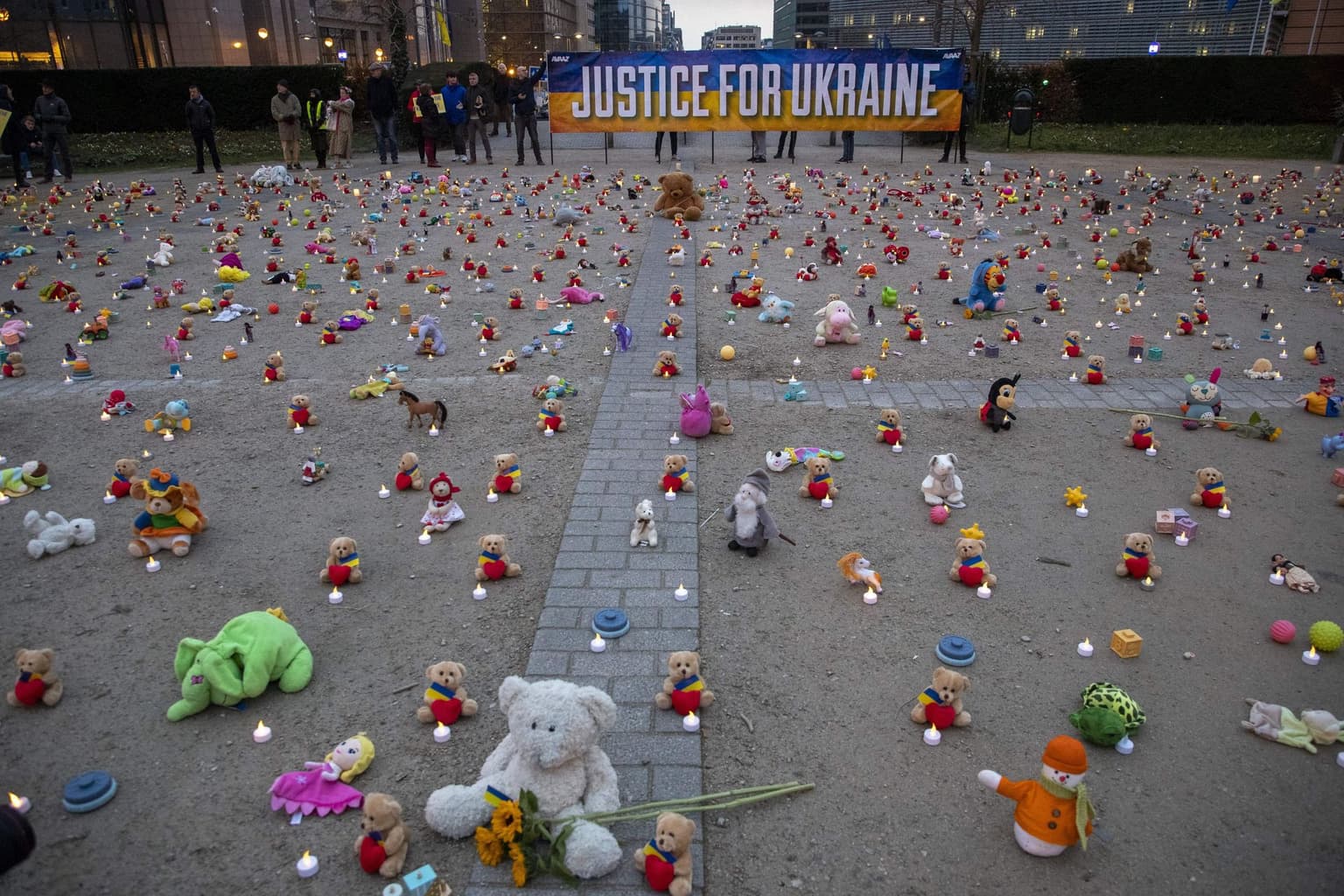
According to Ukraine's national "Children of War" database, at least 20,000 Ukrainian children have been abducted from Russian-occupied territories and taken to Russia or Russian-controlled areas since February 2022. Some 1.6 million remain under Russian occupation, according to Bring Kids Back UA.
Ukrainian officials estimate the real figure of abducted children could be far higher. Ombudsman Dmytro Lubinets puts the number at up to 150,000, while Presidential Commissioner for Children’s Rights Daria Herasymchuk has given a range of 200,000–300,000.
Despite multinational efforts from allies to rescue the children, some of whom have been forcibly sent to North Korea, only 2,003 have been returned to Ukraine.
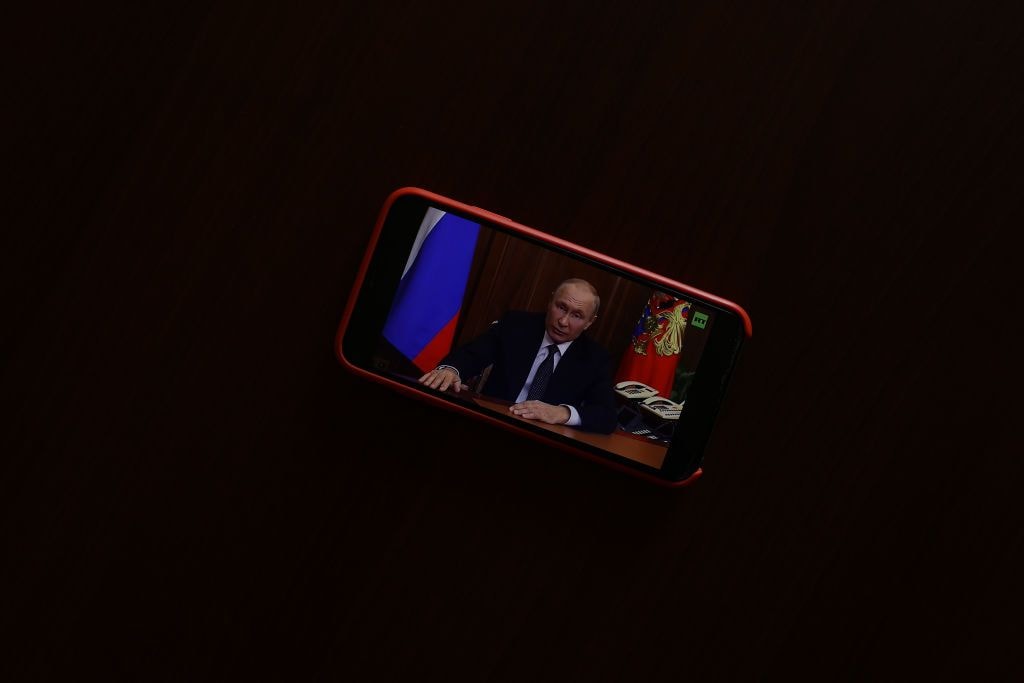
In 2023, the International Criminal Court issued arrest warrants for Russian President Vladimir Putin and Russia's Commissioner for Children's Rights Maria Lvova-Belova for their role in state-sanctioned child abductions.
Elsewhere, at least 684 children have been killed and 2,369 wounded during Russia's full-scale invasion.
read also
 Yuliia Taradiuk
 Yuliia Taradiuk