UK reportedly weighs seizure of Russian shadow fleet tanker, marking new enforcement tactic
 on Google
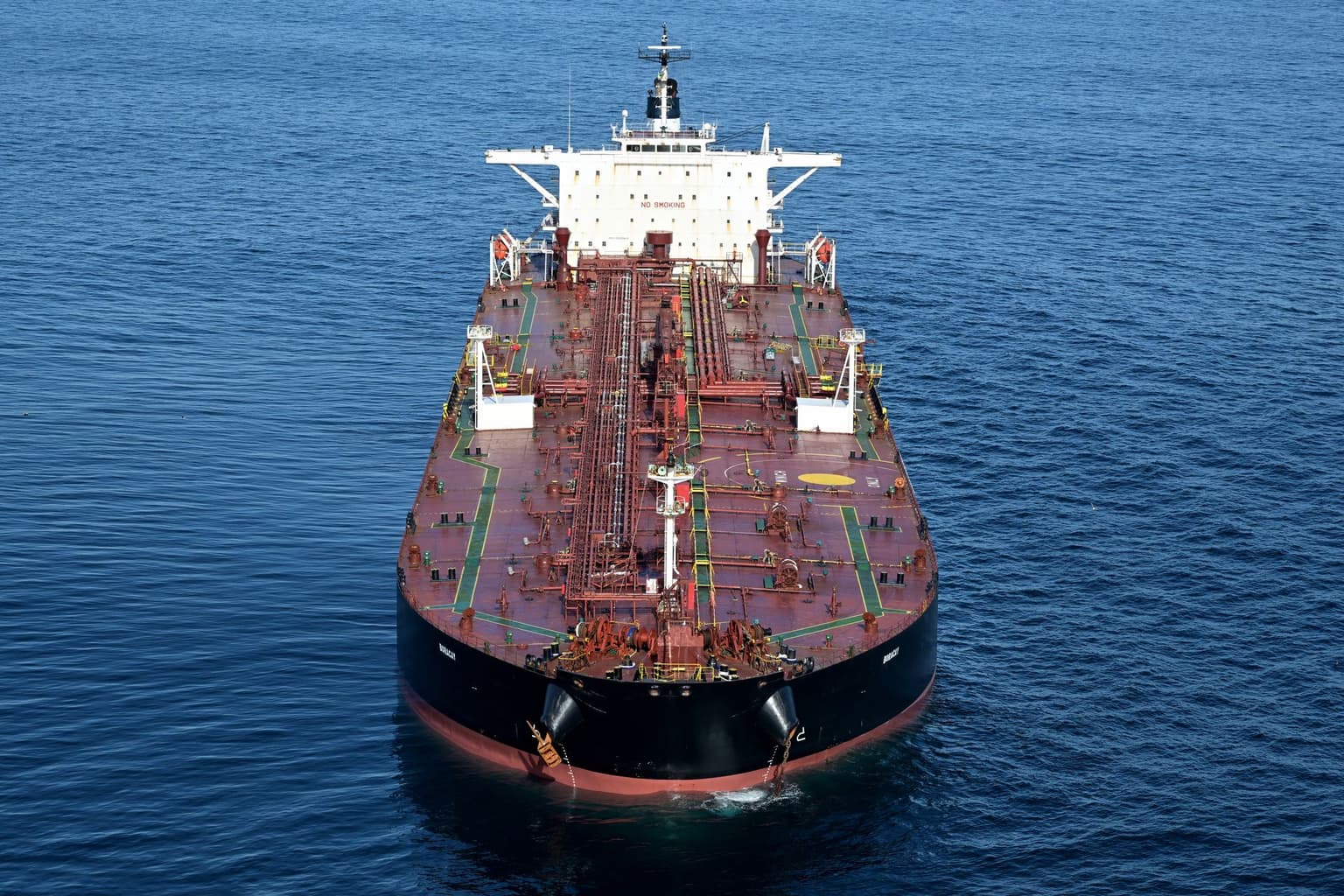
The United Kingdom is considering seizing a Russia-linked shadow fleet tanker, a move that would increase efforts to disrupt Moscow's ability to export sanctioned oil, the Guardian reported on Feb. 7, citing British defense sources.
The discussions come as Russia increasingly relies on a so-called shadow fleet — vessels operating outside standard maritime oversight — to transport oil and other goods abroad while circumventing Western sanctions.
British defense officials told the Guardian that military options for seizing ships were discussed during consultations among allies.
The Royal Marines reportedly held a special briefing for parliamentarians last month on threats posed by Russia, with a focus on the Arctic and northern regions.
According to participants cited by the newspaper, the Marines are prepared to carry out orders to seize a vessel if it enters a jurisdiction where such action is authorized.
The potential move follows a coordinated warning issued on Jan. 26 by 14 European countries, which said ships sailing in the Baltic Sea and North Sea under multiple flags could be treated as stateless vessels as part of a broader crackdown on Russia's shadow fleet.
In a statement, Germany, France, the Nordic and Baltic countries, the Netherlands, Belgium, the U.K., and Poland said vessels must carry valid documentation, maintain communication with relevant authorities, and comply with safety rules and international regulations.
While the joint statement was made, no actions have followed so far.
U.S. authorities have detained several Russia-linked shadow tankers in recent weeks as part of Washington's crackdown on the Venezuelan oil trade, including a vessel sailing under a Russian flag that the U.S. determined was falsely registered and therefore stateless.
Western governments describe the shadow fleet as a network of aging, poorly insured tankers.
Officials and experts have also linked the fleet to Russian-backed hybrid operations and warned that its condition poses significant environmental risks due to a higher likelihood of oil spills.