Trump claims Putin agreed not to strike Kyiv, other Ukrainian cities 'for a week', Zelensky welcomes initiative
 on Google
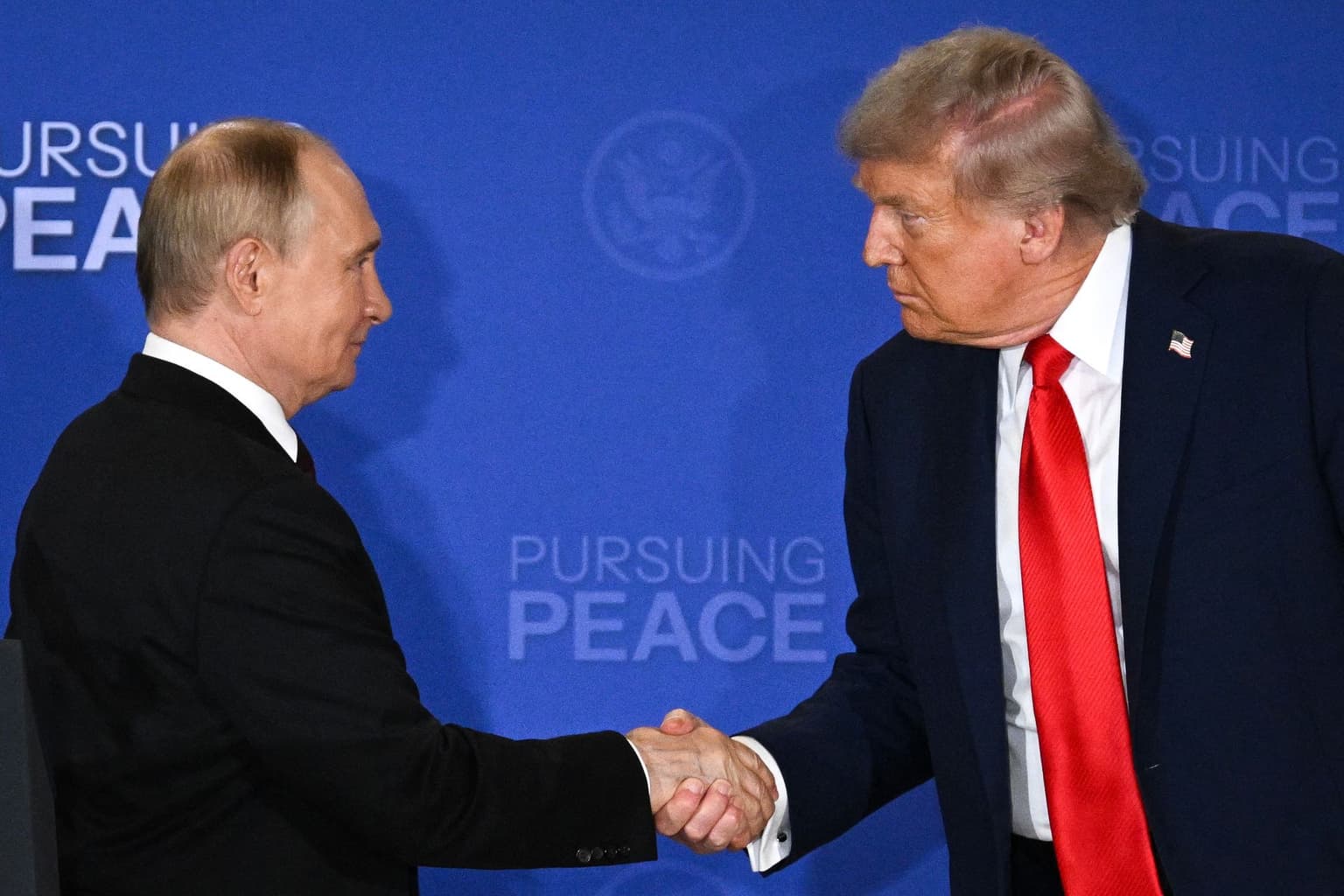
U.S. President Donald Trump said on Jan. 29 that his Russian counterpart, Vladimir Putin, agreed to his request not to strike Kyiv and other Ukrainian cities and towns for a week.
The U.S. president did not clarify when or how he relayed this request to Putin, or from what date the supposed ceasefire would begin.
"I personally asked President Putin not to fire on Kyiv and the cities and towns for a week," Trump said during a cabinet meeting, stressing that Ukraine is currently facing extremely cold temperatures. "And he agreed to do that. And I have to tell you, it was very nice."
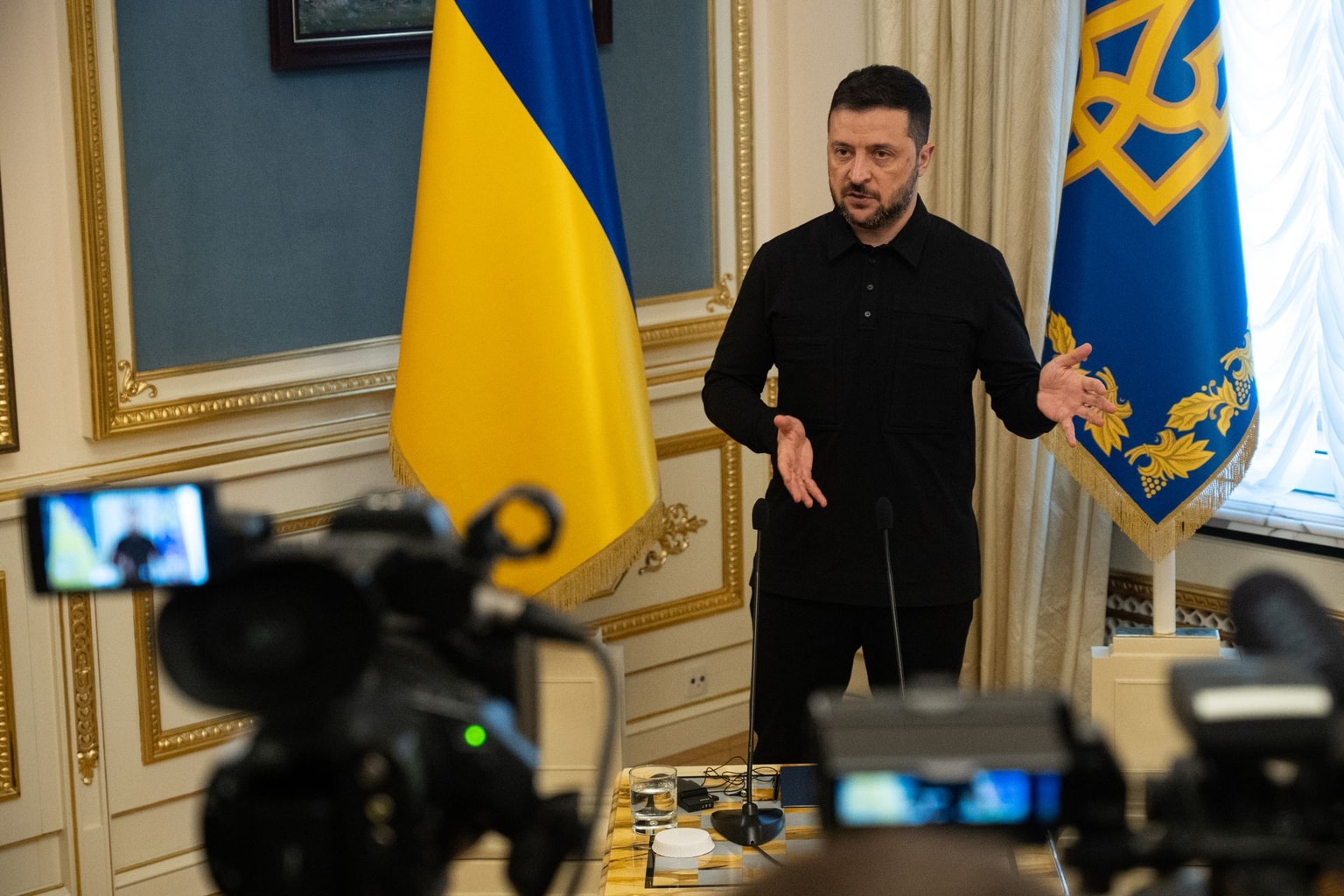
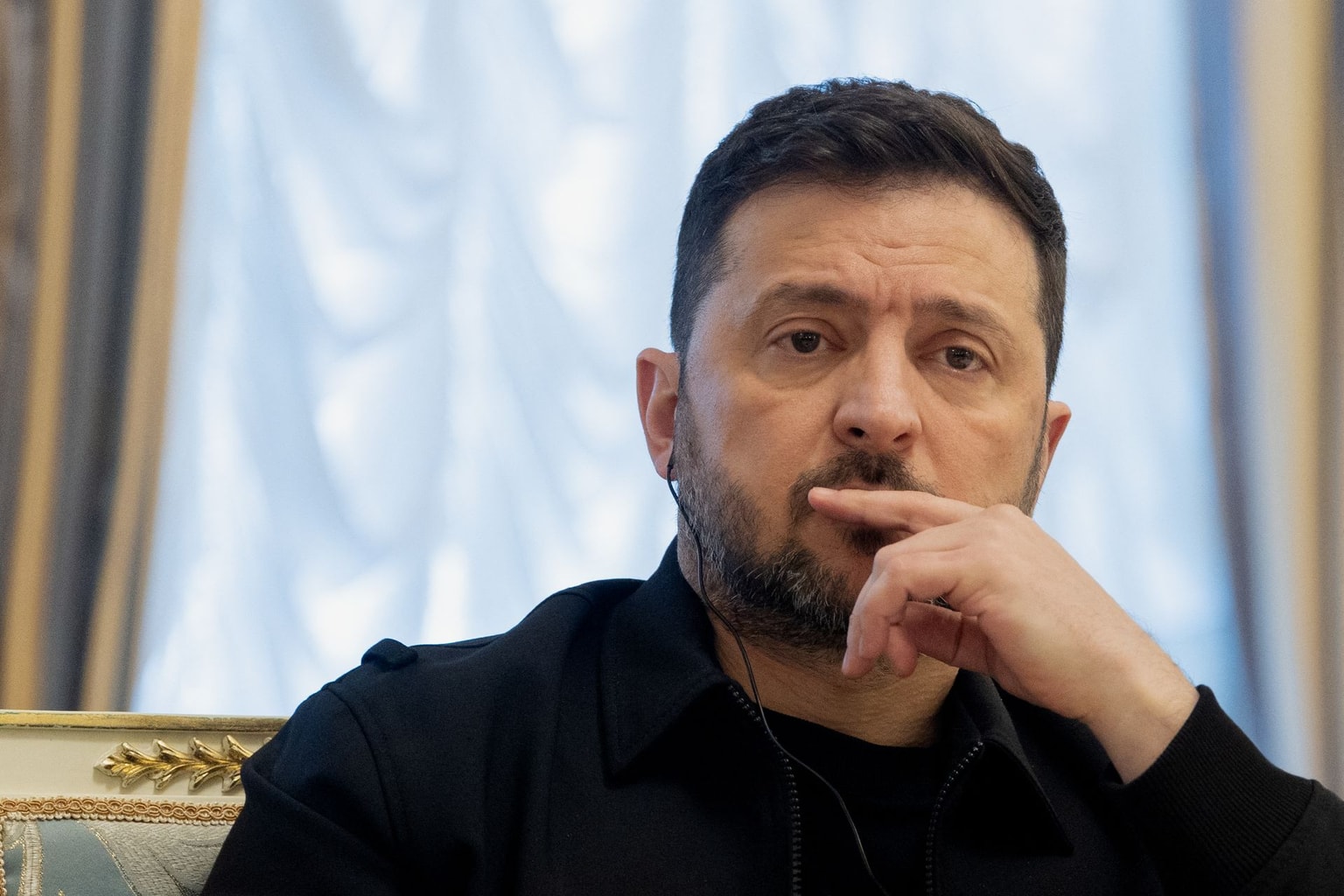
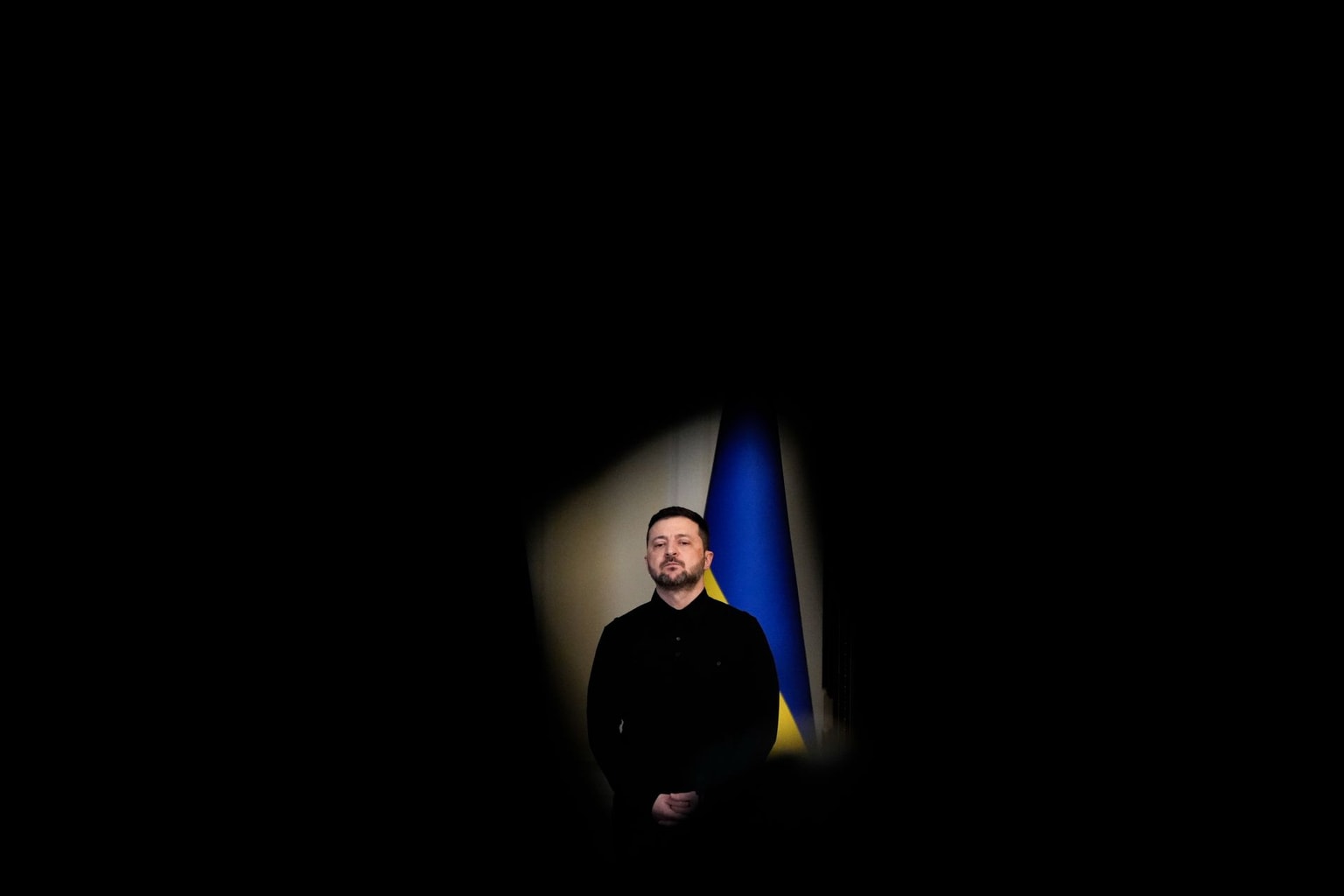
President Volodymyr Zelensky thanked Trump and called his remarks “an important statement” on the possibility of providing security for Kyiv and other Ukrainian cities during the extreme winter period. He added that Ukrainian and U.S. teams discussed the issue during recent trilateral talks in the United Arab Emirates with Russia.
"Power supply is a foundation of life. We value the efforts of our partners to help us protect lives," Zelensky said on X.
Russian forces launched an attack against Kyiv overnight on Jan. 28, which marked only the latest strike against the capital in Moscow's campaign aimed at knocking out Ukraine's energy grid amid freezing temperatures.
The comments follow speculation that Kyiv and Moscow agreed to a pause in attacks on each other's energy infrastructure, though neither side has publicly confirmed the claims or commented on Trump's statement.
When asked by the Kyiv Independent why Russia would agree to the truce, a Ukrainian source familiar with the matter said: "It's Trump. Try to say 'no' to him."
The source also noted that Russia has already begun accumulating ballistic missiles, a statement that follows Zelensky's warning that Russia is preparing for another major attack in the near future.
Moscow's forces launched over 100 drones against Ukraine overnight on Jan. 29, with 18 hits recorded in various areas, the Ukrainian Air Force reported.
Throughout this winter, Russia has escalated its attacks against Ukraine's power grid, causing one of the most serious energy crises during the war and triggering a state of emergency.
A pause in Russian strikes — provided that Ukraine also refrains from attacking Russian oil refineries and tankers — was reportedly discussed during a trilateral meeting in Abu Dhabi among U.S., Ukrainian, and Russian officials last weekend.
The parties made no announcement on the matter as they began preparations for another round of talks on Feb. 1.
While the Abu Dhabi talks were ongoing, Russia launched a barrage of nearly 400 drones and missiles against Ukraine, primarily targeting Kyiv.
The attacks continued throughout the week, with dozens reported injured in Odesa overnight on Jan. 27 and a passenger train hit in a deadly attack in Kharkiv Oblast later the same day.
Russia launches drones against Ukraine on a daily basis, but mass combined drone and missile attacks are usually carried out once or twice a week.
Despite the ongoing Russian onslaught, U.S. officials have expressed optimism about the progress of the peace talks.
Steve Witkoff, Trump's special envoy who plays a key role in Washington's outreach to Moscow, claimed that Ukraine believes the negotiations have made greater strides since the Geneva talks in November than since the all-out war began.
During the cabinet meeting, Witkoff told Trump that security protocols and a prosperity plan with Ukraine are "largely finished," and that Kyiv and Moscow are now discussing a "land deal."
Though the envoy did not specify what he meant by the "land deal," the issue of territories remains a key sticking point in the talks.
Russia has demanded that Ukraine completely withdraw from the strategically important Donbas region, encompassing the Donetsk and Luhansk oblasts in the east.
Kyiv, which still holds roughly a quarter of Donetsk Oblast and a few footholds in Luhansk Oblast, has repeatedly rejected the demand, calling instead for a ceasefire along the current front line.
The U.S. has previously proposed compromises on the issue, including establishing a demilitarized zone in the region.