The prime minister is gone. Long live the president
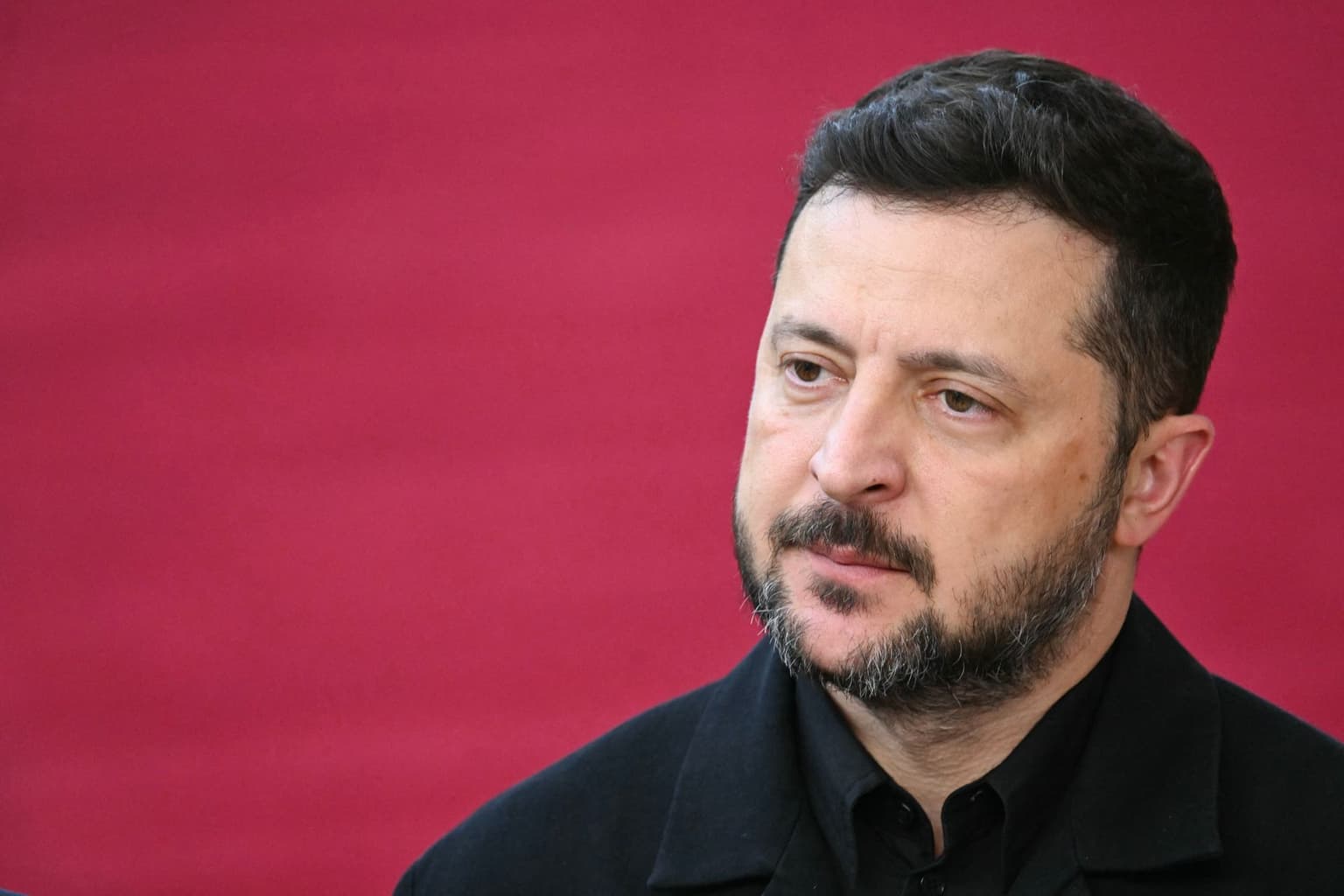
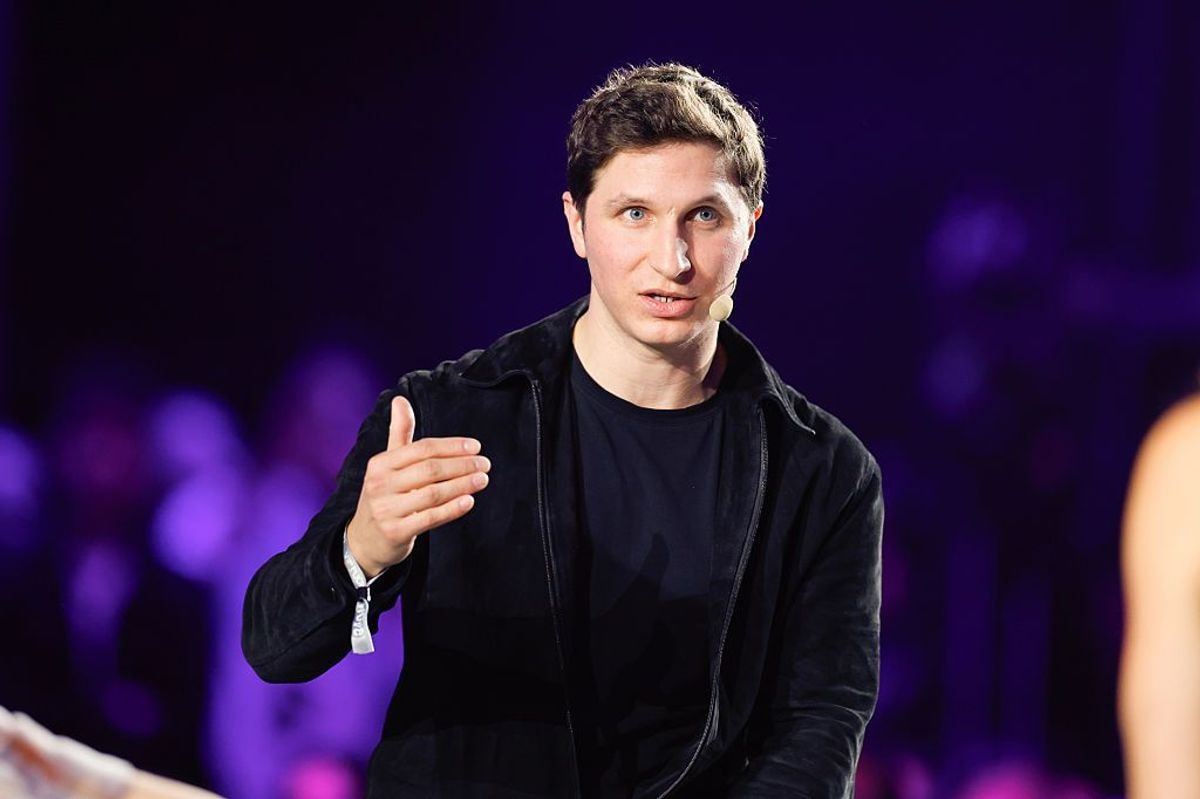
President Volodymyr Zelensky in Brussels, Belgium, on June 18, 2026. (Nicolas Tucat / AFP / Getty Images)
 on Google
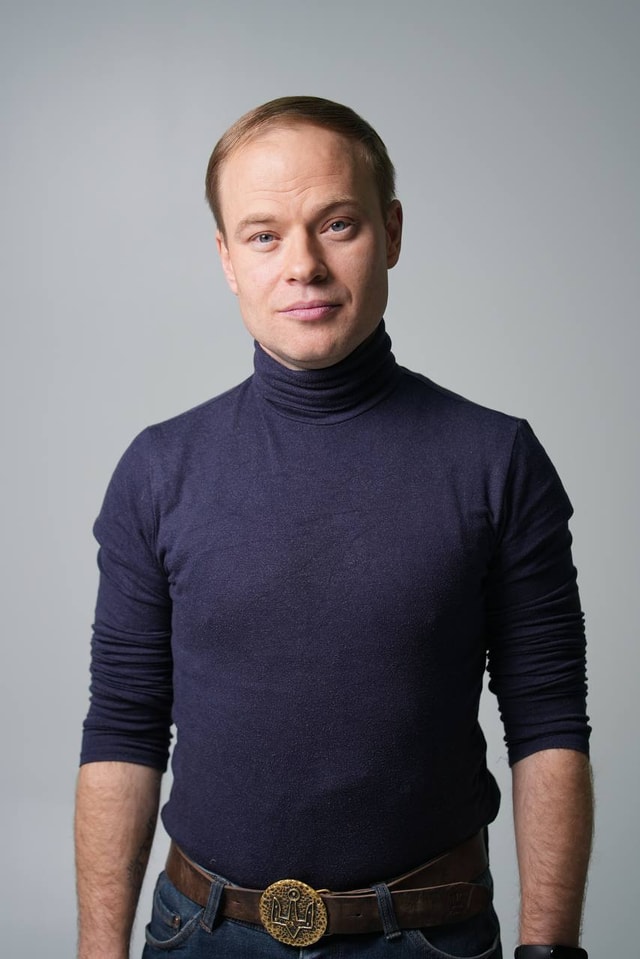
Yaroslav Yurchyshyn
Member of the Ukrainian Parliament
International observers may be surprised by the latest developments in Ukraine.
Prime Minister Yulia Svyrydenko was forced to resign after serving less than a year in office. She becomes the third prime minister ousted by President Volodymyr Zelensky, as Ukraine prepares for yet another government reshuffle.
So what do we know about Svyrydenko's successor, and what do these changes mean for Ukraine's future?
Winter is coming
Many Ukrainians recall the 2025-2026 winter with pain. Millions of people overcame it without heating or electricity, even with almost -30°C (-22 Fahrengeit) outside. Some died because of the extremely cold weather. Of course, the first reason for this was Russian aggression and missile attacks on our energy infrastructure, which was almost destroyed in January.
Yet, it should also be noted that some regions enjoyed better conditions because they were better prepared (for example, Zhytomyr and Kharkiv oblasts). Their local infrastructure was decentralized and updated, so it's much harder to destroy it completely. Their resilience owed much to effective local leadership, while the central government's policy response left much to be desired.
President Zelensky has explained his decision to change the government by the transformation of the Ukrainian political strategy, saying that the preparation for next winter is "extremely important" and "Ukraine needs to be prepared for all threats that may arise. The transformation of state-owned companies, on which Ukraine's stability depends to a large extent, must be accelerated."

With this goal in mind, Zelensky appears to have chosen Naftogaz CEO Serhiy Koretskyi to lead Ukraine into the upcoming winter. A businessman, who spent the last several years leading the country's energy companies, seems like a logical pick for a country expecting to face another harsh season ahead.
Transformation without changes
No matter who leads the government next, Zelensky created a political space where he has almost unlimited rights in many spheres. The landslide 2019 President and Parliament elections allowed him to choose the path of control, prioritizing loyalty over independent expertise.
Since then, the Cabinet of Ministers has essentially been downgraded to an operational branch of the Presidential Office. The Prime Minister's office is no longer a center of strategic decision-making; it is a political shield designed to absorb public anger when things go wrong.
When you solve difficult problems, make unpopular decisions, and pollsters begin including you alongside the president, your success becomes a liability. You are no longer seen as an asset, but as a threat.
The current power system doesn't need proactive public figures. It needs compliant technocrats with no political agency but with a readiness to do some operational work.
This explains why Ukraine's political "bench" is so short, and we can even get back to the former head of government, Denys Shmyhal. Top-tier professionals and experienced managers simply refuse to enter a government where they have zero agency and can be dismissed overnight without a single logical explanation.
Got an opinion on anything you've read in the Kyiv Independent so far?
and it may appear in our Letters section.
A parliament on paper
To appoint a new Prime Minister, the government needs a majority of 226 votes in the Verkhovna Rada. Zelensky's party, Servant of the People, has lost its unified "supermajority." Today, they can barely mobilize 160 to 180 votes. It's not enough.
As a representative of the opposition, I am absolutely open to any dialogue. We understand that decisions need votes, and we are ready for conversations. But we don't have them.
My faction, Holos (Voice), has been fighting to return to constitutional procedures. Back in December 2025, the parliament passed Bill No. 3195 (Law No. 4725-IX). It was a basic democratic safeguard: it legally obliges candidates for Prime Minister, Defense Minister, and Foreign Affairs Minister to meet with parliamentary factions and answer their questions before a vote.
But the bill has not yet been signed by the President. The message from the presidential team remains the same: "We give you the candidate, you push the green button, and we ask for zero dialogue."
As we head into another potentially devastating winter, Ukraine should rely on an empowered parliament.
If the upcoming government reshuffle follows the same old, closed-door playbook, our message back will be just as clear: do not expect our votes. We want to see real plans.
Our Western partners must understand that Ukraine's resilience does not lie in a single "strong hand." It lies in our democratic institutions, our parliament, and our system of checks and balances.
Our people are paying too high a price on the front lines to watch their hard-won democracy being dismantled in Kyiv's corridors of power.
Editor's note: The opinions expressed in the op-ed section are those of the authors and do not purport to reflect the views of the Kyiv Independent.