The banality of Putin
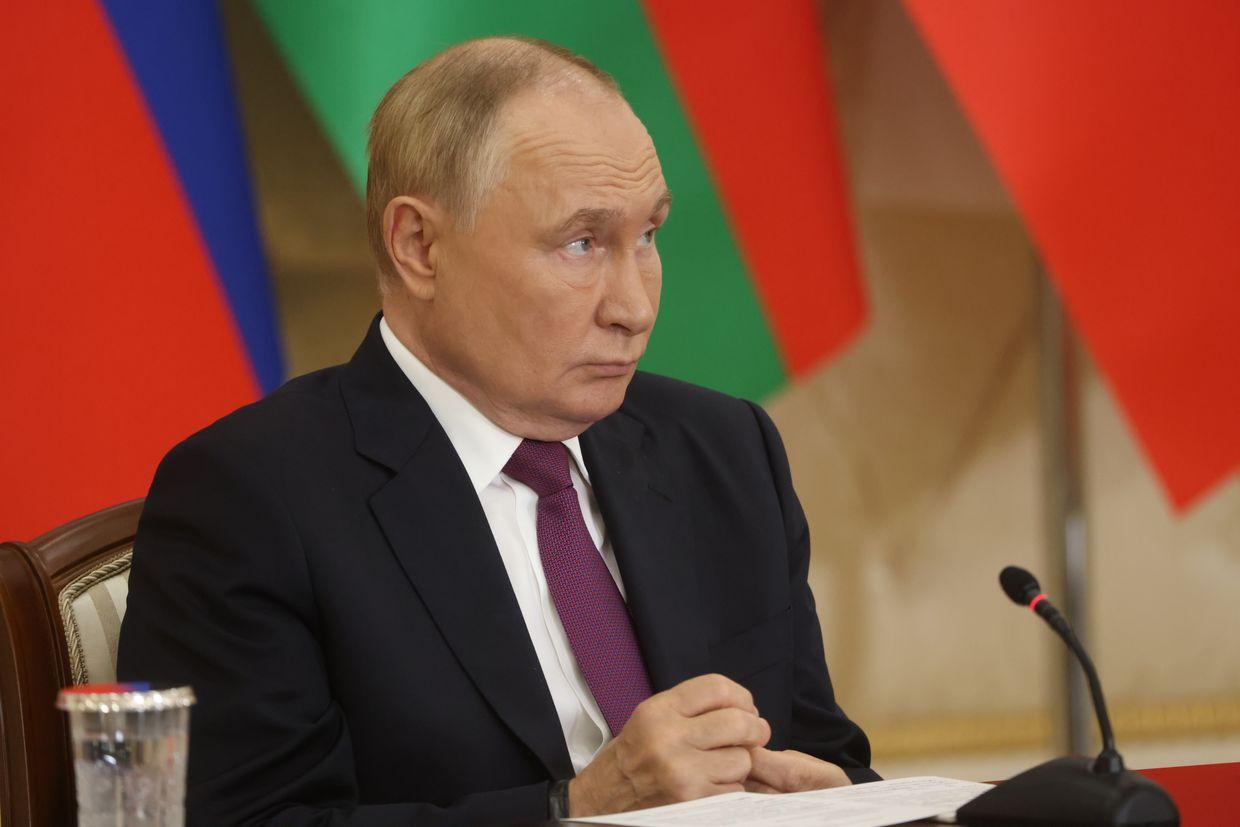
Vladimir Putin during Russian-Azeri talks at the Zagulba State Residence in Baku, Azerbaijan, on Aug. 19, 2024. (Contributor/Getty Images)
 on Google
Andrew Chakhoyan
Academic director at the University of Amsterdam
Igor Bagnyuk, a lieutenant colonel in the Russian army, is not a household name.
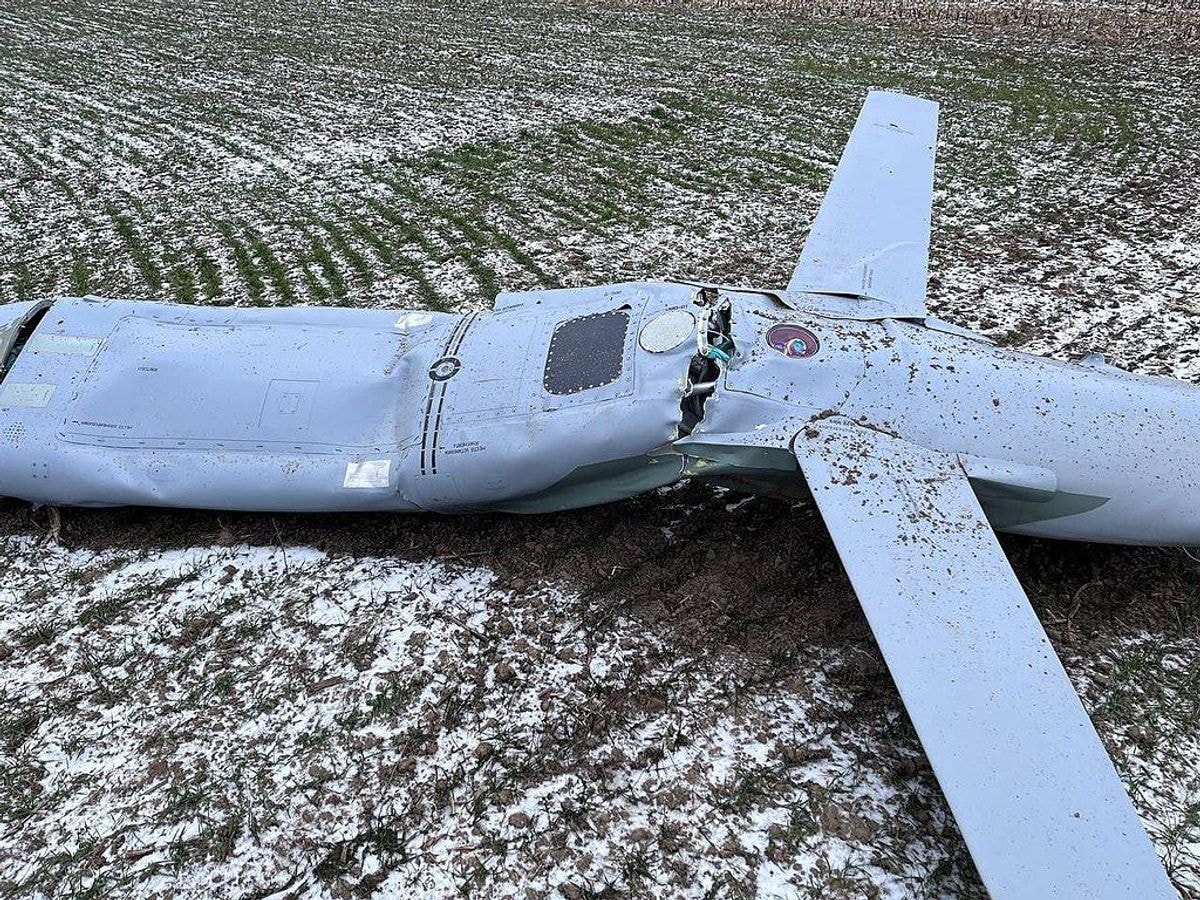
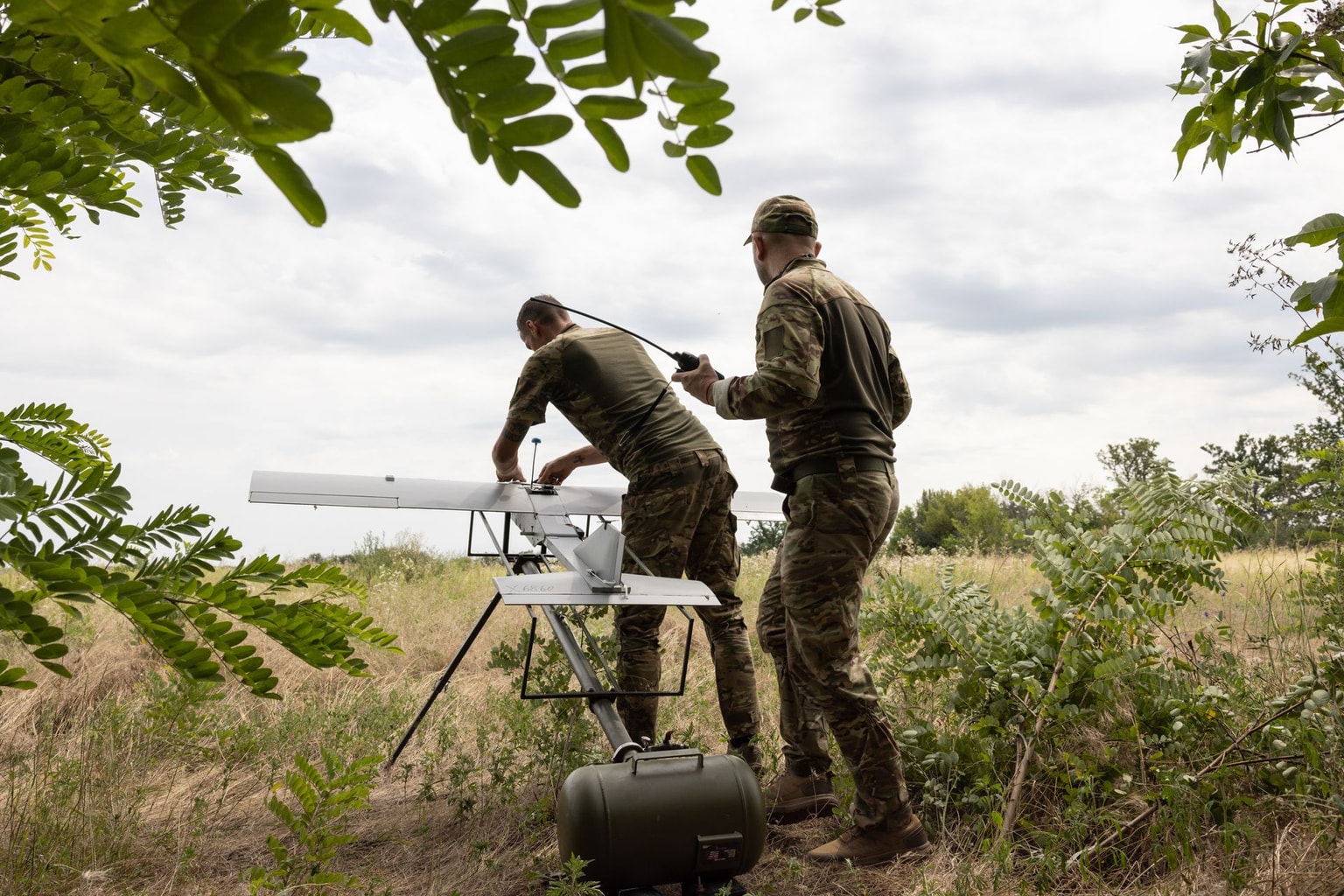
His work, at the vapidly named Main Computation Center of the General Staff, does not involve pulling triggers or torturing prisoners, only programming the flight paths of cruise missiles that, hours later, strike hospitals, schools, or apartment blocks in Ukraine.
By all accounts, Bagnyuk is good at his job. Russia's president has awarded him a medal.
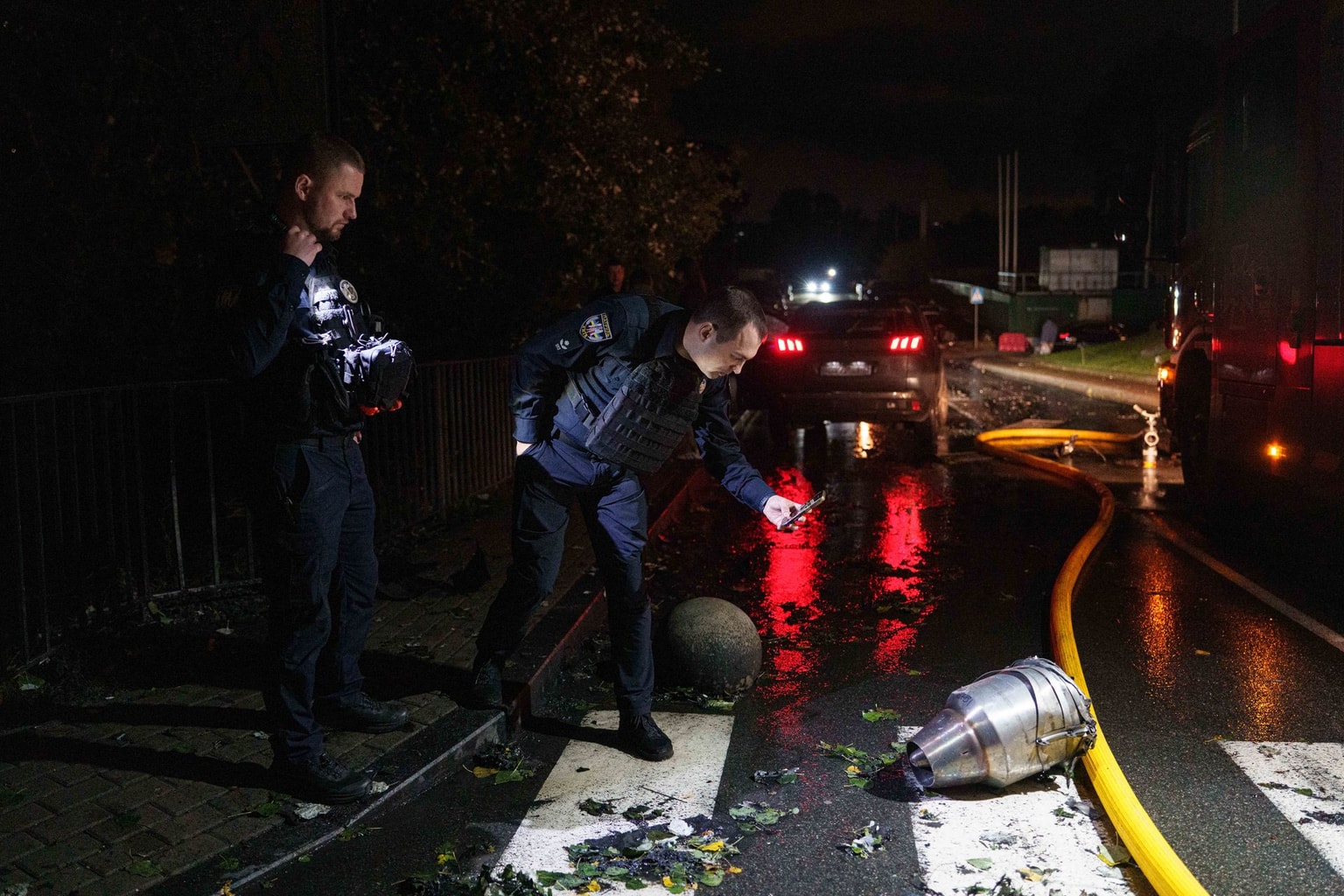
As children across Europe and America spent Easter Monday hunting for eggs and sweets, another unquestioning, or perhaps eager, functionary pressed a button in some undisclosed location and took the life of a two-year-old girl, Hanna, and her mother, Daria Sapun, when Russian missiles and killer drones rained on Odesa.
The banality of evil – a phrase coined by Hannah Arendt, who covered the trial of Adolf Eichmann sixty years ago – is on full display. It lives not only in Bagnyuk – the remote control killer – but in his commander-in-chief, Vladimir Putin.
Arendt's writing denies us the moral comfort of hanging it all on a single villain. The danger stems from a body politic that produces and normalizes violence. The ordinariness of Eichmanns and Bagnyuks is frightening enough. More frightening still is the poisonous, permissive culture that produced them – and the society-wide victimhood that Nazi Germany and today's Russia have claimed to justify what they do.
Arendt identified a mechanism of power that has defined Moscow's rule for centuries and is once again evident in Russia's war on Ukraine.

Make no mistake, Vladimir Putin is an evil man. He bears direct responsibility for the murder of Ukrainian civilians, including children. Yet he is not an exception. Russia's latest war-criminal-in-chief is the predictable outcome of an imperial system that has, across centuries, reproduced rulers of his kind with remarkable consistency.
Consider the evidence.
Ivan the Terrible (1547-1584) created Muscovy's first secret police, the oprichnina, to whip nobility into submission. Surely, Ivan was waging wars of conquest in defense of Holy Russia. He had no qualms about brutalizing his own people, for this was the path to "greatness." Putin praised Ivan as a "gatherer of Russian lands," never mentioning that the said lands belonged to other peoples — Tatars, Maris — whom Moscow promptly resettled, murdered, starved, or conscripted into the next war.
Peter the Great (1682-1725) looked west, liked what he saw, and set about modernizing his backward empire – on serf bones. He launched the Great Northern War to assert Russia's place among the great powers, funding his ambitions on the windfall of expanding trade revenues. In June 2022, Putin compared his invasion of Ukraine directly to Peter's conquests. "We are also returning our own," — a line as trite as it is mendacious.
Nicholas I (1825-1855) censored everything, suppressed minorities, established the Third Section – precursor to the KGB – and launched the Crimean War in pursuit of regional hegemony, which he saw as his birthright. The West called him the "gendarme of Europe" and fancied the Russian military unstoppable. Nicholas lost, badly, and died watching his hubris collapse at Sevastopol. Moscow was better at instilling fear than winning wars — a distinction Western leaders continue to miss.
Nicholas II (1894-1917) inherited an extraordinary economic boom and squandered it on the Russo-Japanese War. One that the Kremlin decisively lost. Nicholas II then led the empire into the First World War with the same misplaced confidence, suppressing dissent and force-Russifying minorities with even more zeal than his predecessors.
Joseph Stalin (1924-1953) is the most instructive example for anyone tempted by today's talk of accommodating Moscow. In 1939, the Allies hoped to bring Stalin into an anti-Hitler coalition. Instead, he signed a secret pact with a fellow architect of colonial predation to carve up Eastern Europe – annexing the Baltic states, invading Poland from the east while Nazi Germany pushed from the West.
When the Allies came to Soviet Russia's rescue after Hitler betrayed his comrade in 1941, the Kremlin took the help and turned on the hand that fed it. Stalin raced his armies to Berlin not to hasten the victory of freedom over tyranny, but to plant Soviet flags in other people's countries.
The Iron Curtain and a nuclear arms race were what the collective West received as payback for trusting Moscow. Those who today urge concessions to Putin to peel him from Beijing's embrace should sit with that history.
Even Boris Yeltsin — toasted at G8 summits and praised for burying the Soviet past – launched a savage war in Chechnya, handed Russia's riches to loyal oligarchs, and picked his successor from the ranks of the chekists to secure his own immunity. Putative interests of ordinary Russians and the dreams of freedom be damned. Yeltsin was more Putin than not.
To sustain subjugation at home, Ivans, Peters, and Vladimirs cowed their neighbors and reached for maximum violence at every turn. Conquest is the currency of domestic legitimacy.
No one who sits on the Kremlin throne would waste a revenue windfall on the Russian people. That would threaten the extractive system centered on Moscow, which feeds on its internal colonies.
Western policymakers need to finally understand: Putin is not a strategic genius playing three-dimensional chess. To wage imperial wars and subjugate the peoples of Moscow's realm is his inheritance, his privilege, and his duty. Just as it was for every ruler before him.
No different Russia is waiting to be discovered or set free. There is only this Russia. A matryoshka doll of the same machinery of oppression under different branding: tsarist empire, USSR, prison of nations, the Russian Federation – persisting in its ways for five centuries. The first step to confronting aggression from the Kremlin is to stop being surprised by it.
A war crimes tribunal for the perpetrators and decades of reckoning for the society that bought the lies, cheered the war at worst, and chose apathy at best, that is the only known antidote to the banality of evil.
Bagnyuk, Putin, and Russia could use both.
Editor's note: The opinions expressed in the op-ed section are those of the authors and do not purport to reflect the views of the Kyiv Independent.