Russia-Ukraine War

Analysis: Why many Ukrainians feel Commander-in-Chief Syrskyi must go
War

Analysis: Why many Ukrainians feel Commander-in-Chief Syrskyi must go

by Francis Farrell

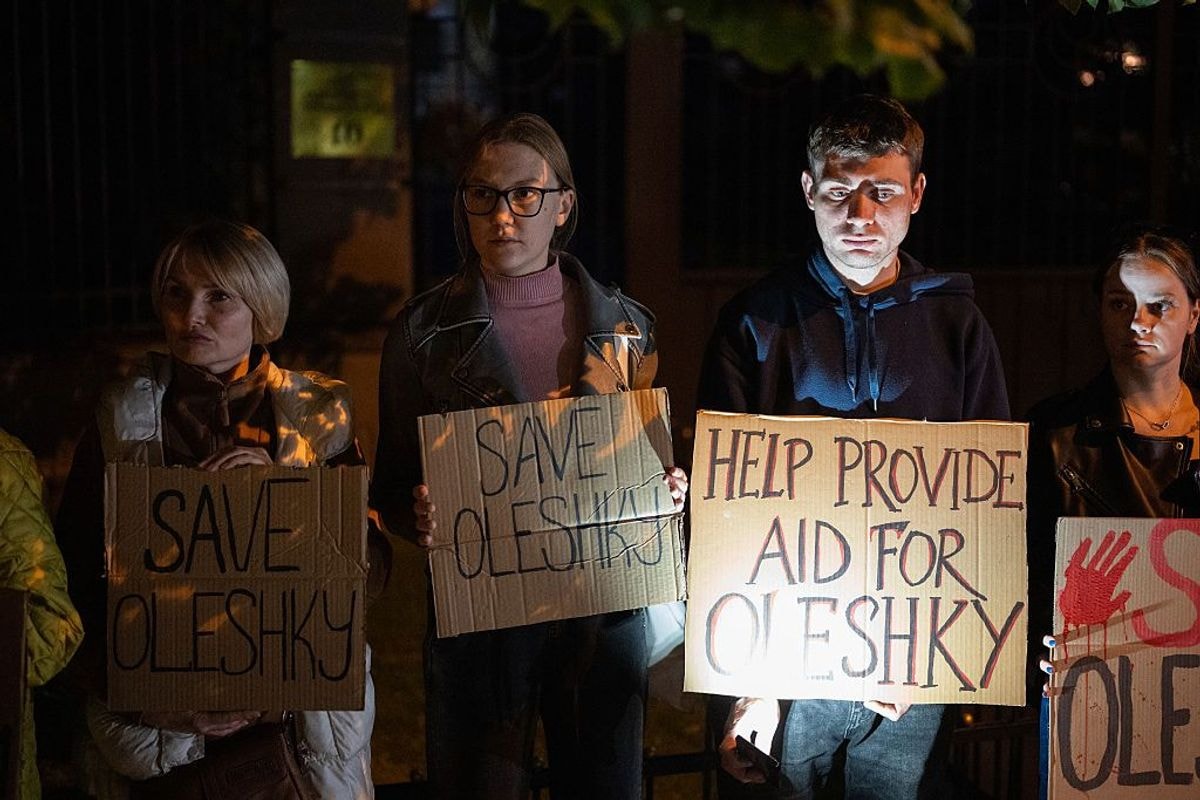
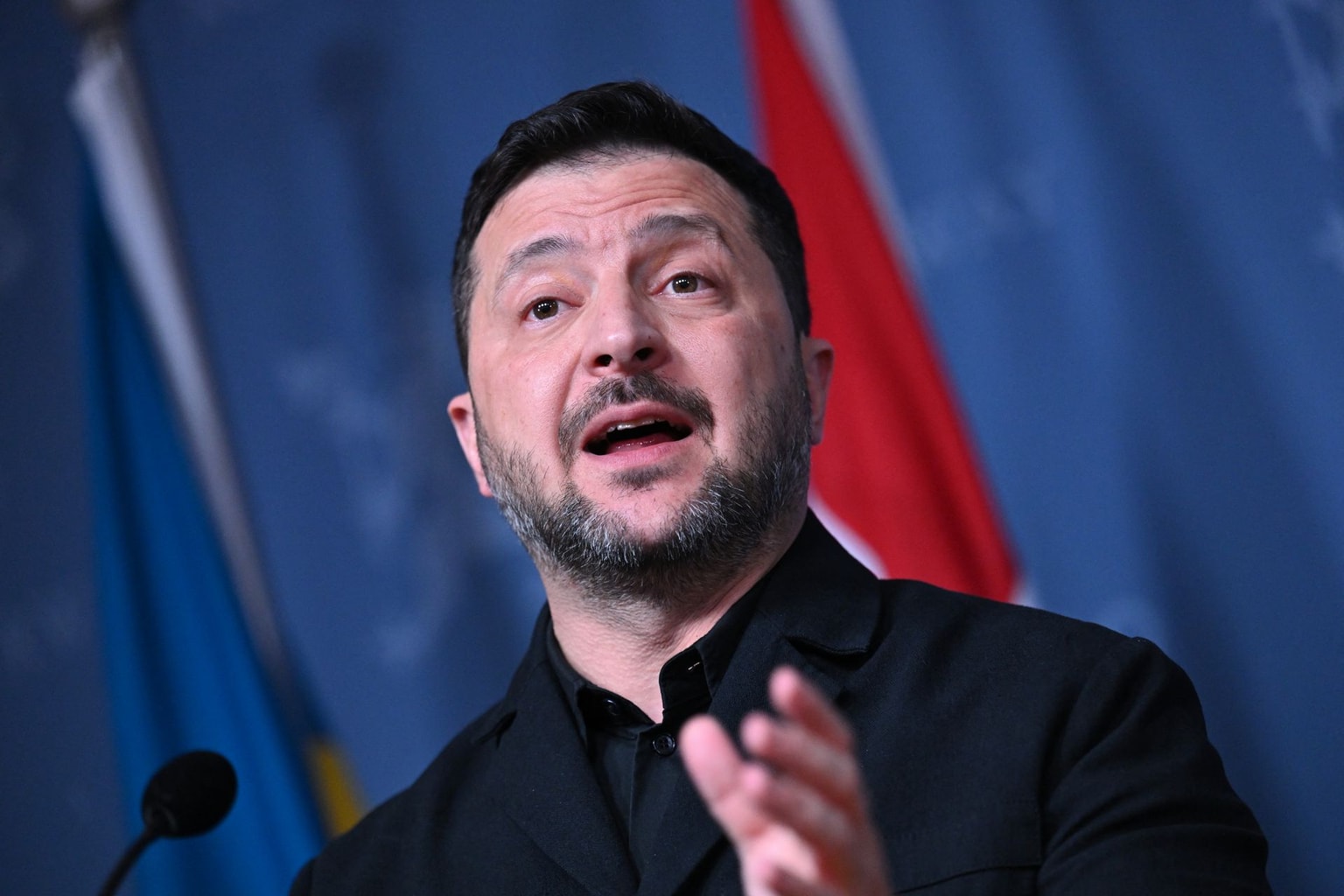
"Fedorov = more Russian deaths, Syrskyi = more Ukrainian deaths." This slogan, neatly written on cardboard, was one of thousands held aloft in Kyiv and across Ukraine as outrage over the country's wartime leadership boils over. Much of Ukrainian society, soldiers and civilians alike, is up in arms over President Volodymyr Zelensky's decision to dismiss popular and innovative Defense Minister Mykhailo Fedorov. Zelensky's primary motivation for the decision was debated, with theories including

News Feed

Fedorov turns down Zelensky's offers, seeks return only as defense minister

"I'm grateful to the president for all the options offered. However, today there are only three positions in the country that, alongside the troops on the battlefield, actually shape the course of the war: the President of Ukraine, the defense minister, and the commander-in-chief of the Armed Forces of Ukraine," Mykhailo Fedorov said.

Could Russia attack NATO? We asked its military chief

The Kyiv Independent's Martin Fornusek speaks with Admiral Giuseppe Cavo Dragone, chair of the NATO Military Committee, at the 2026 NATO Summit about the lessons NATO is drawing from the war in Ukraine and how the alliance is preparing for the future of warfare.

About War

The Kyiv Independent's coverage of Russia’s war in Ukraine. Russia launched its full-scale invasion of Ukraine on Feb. 24, 2022, after eight years of aggression against Ukraine that began in 2014 with the annexation of Crimea and fighting in Donbas. The war has resulted in tens of thousands of military and civilian casualties and displaced millions of Ukrainians. NATO and Western allies have provided military aid to Ukraine while the conflict continues across fronts in Ukraine’s south and east.

Read more

Most Popular

1.

Nikita Malyshev signed a contract with the Russian Defense Ministry on April 8, the day after his 18th birthday. A little more than two months later, he was dead, becoming the youngest known Russian serviceman killed in Russia’s war against Ukraine. Malyshev came from Buryatia, a remote Russian republic in eastern Siberia that has supplied some of the highest numbers of contract soldiers and suffered some of the highest losses of any region since the start of the full-scale invasion. Days afte

News Feed