News Feed

Sweden suspects sabotage after new undersea cable damage

2 min read
Sweden suspects sabotage after new undersea cable damage
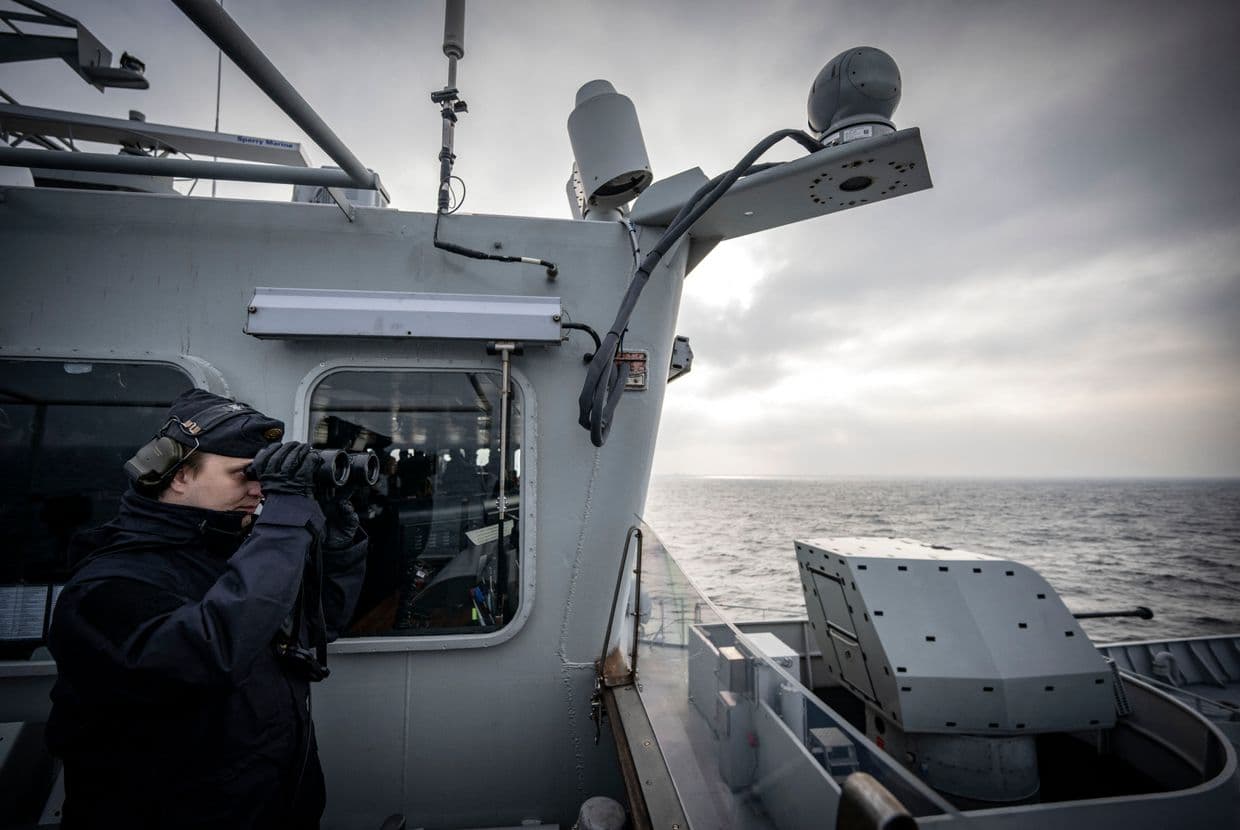
A picture taken on Feb. 4, 2025, shows optical reconnaissance with binoculars and documentation with a camera from the bridge deck of patrol ship HMS Carlskrona (P04) on open water near Karlskrona, Sweden, as part of the NATO Baltic Sea patrol mission the Baltic Sentry. (Johan Nilsson / TT NEWS AGENCY / AFP via Getty Images)

The Swedish authorities have launched a sabotage investigation after an undersea telecoms cable was damaged in the Baltic Sea, the Swedish newspaper Goteborgs-Posten reported on Feb. 21.

The news comes following a string of cases of damaged undersea infrastructure in the region, with some officials connecting the incidents to hybrid attacks and Russia's "shadow fleet."

The fiber-optic cable running between Finland and Germany was damaged near Gotland Island within the Swedish exclusive economic zone, Sweden's Coast Guard said.

The Finnish telecom operator Cinia described the damage as minor and said it did not impact the cable's functionality. According to the Finnish media, this is the third time the cable has been damaged in a short span of time.

The Swedish Coast Guard said the incident was first recorded on Feb. 20, but it remains unclear when it occurred.

"We take all reports of potential damage to infrastructure in the Baltic Sea very seriously," Swedish Prime Minister Ulf Kristersson said on X.

"As I have already said, these incidents must be viewed in the context of the existing serious security situation."

NATO has ramped up its presence in the Baltic Sea following multiple cases of damaged infrastructure, deploying additional patrol vessels to ward off potential sabotage.

While Russian-linked vessels have been detained in connection to the incidents, some voices in the U.S. and European intelligence community believe them to be the result of simple accidents.

The suspicions nevertheless add to the tensions between NATO and Russia as the West threw its support behind Ukraine in the face of the Russian invasion.

Avatar
Martin Fornusek

Reporter

Martin Fornusek is a reporter for the Kyiv Independent, specializing in international and regional politics, history, and disinformation. Based in Lviv, Martin often reports on international politics, with a focus on analyzing developments related to Ukraine and Russia. His career in journalism began in 2021 after graduating from Masaryk University in Brno, Czechia, earning a Master's degree in Conflict and Democracy Studies. Martin has been invited to speak on Times Radio, France 24, Czech Television, and Radio Free Europe. He speaks English, Czech, and Ukrainian.

Read more
News Feed

During a meeting with Energy Minister Denys Shmyhal on July 12, President Volodymyr Zelensky stressed the need to take additional "more decisive" steps to protect Ukraine's energy infrastructure and emphasized the importance of robust winter preparedness plans for communities and regions.

 (Updated:  )

Yulia Svyrydenko, who replaced former Prime Minister Denys Shmyhal in July 2025, will now take on a new role leading cooperation with Ukraine’s key partners, Zelensky announced on social media.

Video

Once promoted by the Kremlin as a symbol of Russia’s resurgence and a premier tourist destination, the peninsula now faces mounting pressure from Ukrainian drone strikes targeting military infrastructure, logistics, and supply routes.

President Volodymyr Zelensky said on July 11 that he is preparing changes to Ukraine’s “diplomatic efforts” to accelerate weapons deliveries from allies, as Ukraine's stockpile of Patriot air defense missiles has run dry.

Show More