Russia fueling Transnistria energy crisis for propaganda, destabilization, Moldova says
 on Google
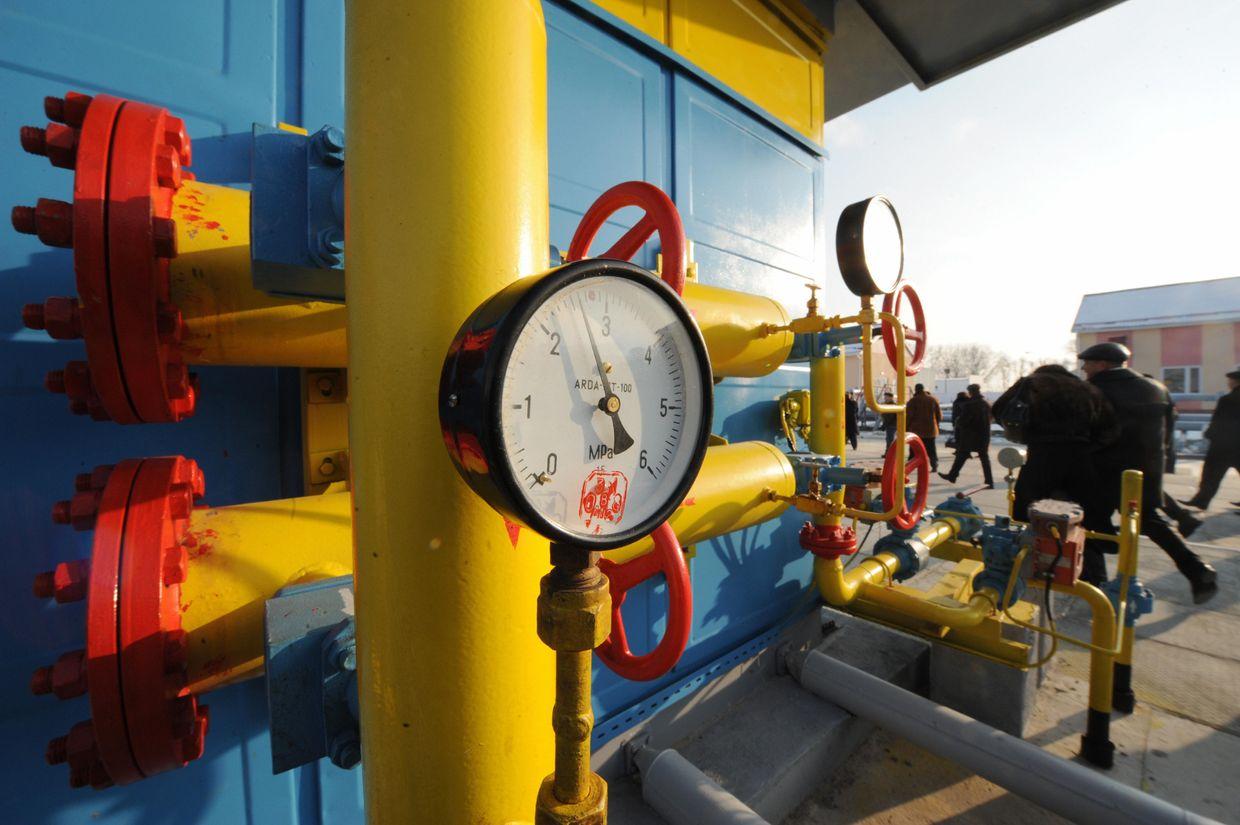
The energy crisis in Transnistria, triggered by Russia's Jan. 1 cutoff of gas supplies, is part of a broader Russian plan to manipulate and spread propaganda, Moldovan government spokesperson Daniel Voda said on Jan. 6.
"Russian propaganda tries to create a story in which Moldova becomes a ‘problematic actor,’ although the government has proposed clear solutions to avoid the crisis," he said.
Gazprom, Russia’s state-controlled energy giant, halted gas deliveries to Moldova, citing alleged unpaid debts by Moldovagaz. Moldovan officials disputed these claims, noting an international audit failed to verify the debts.
Transnistria, a Russian-occupied region since the early 1990s, relies heavily on Russian gas and has faced industrial collapse due to widespread power outages and heating failures.
Voda said the crisis reflects Russia's deliberate effort to create fear and unrest. "This energy crisis is more than an economic problem — it is part of a larger Russian plan of manipulation and propaganda designed to create fear and discontent on both banks of the Dnister."
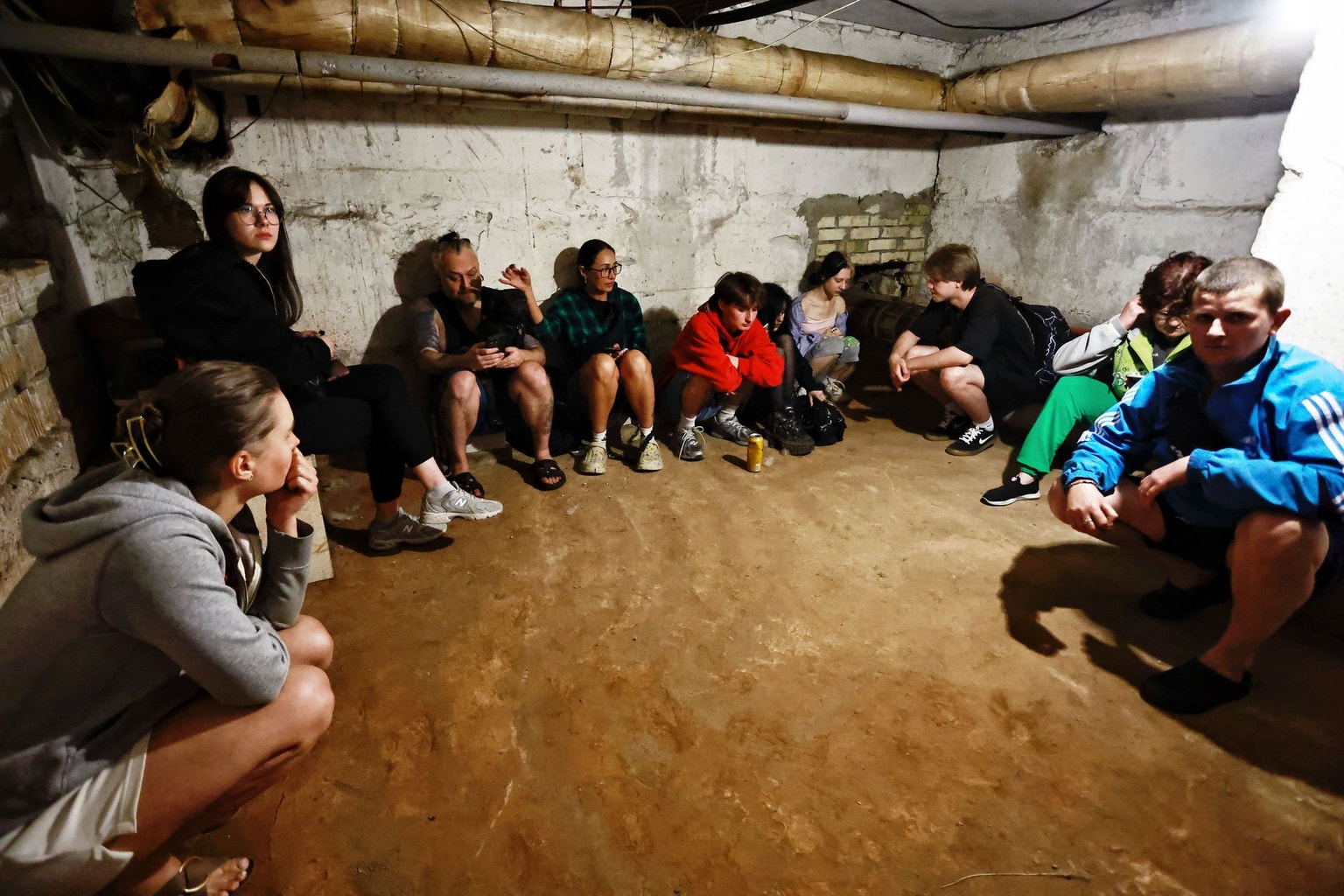
Nearly 72,000 homes and 1,500 high-rise buildings in Transnistria are without heating or hot water, according to Vadim Krasnoselsky, leader of the region’s Russian-backed administration.
Moldova previously offered to help Transnistria purchase gas through European platforms, but local Russian-backed authorities rejected the proposal, claiming Western energy prices are "higher and unstable."
The spokesperson criticized the refusal, calling it a failure to "cooperate for the benefit of the people." Russian propaganda has sought to blame Chisinau for the crisis, alleging that Moldovan authorities intentionally caused power outages to punish the region, Voda said.
While a transit agreement for Russian gas through Ukraine expired on the same day, Gazprom maintains that Moldova’s debts, not transit issues, prompted the suspension.
While the rest of Moldova has transitioned to European energy supplies through Romania, Transnistria remains heavily dependent on Russian gas.