Battle over Russia's frozen assets reaches EU's General Court
 on Google
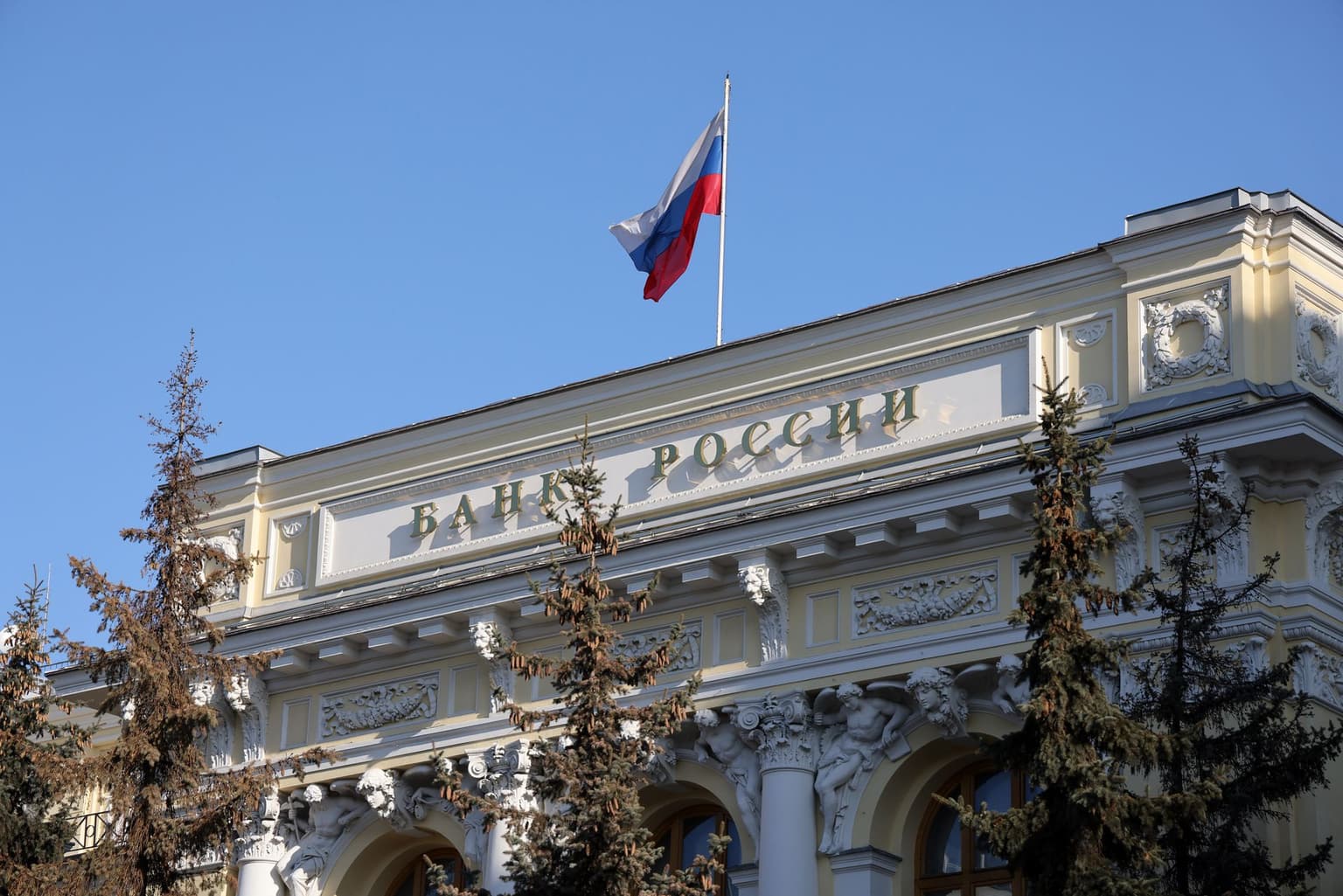
Russia's central bank filed a legal challenge against the EU's decision to indefinitely freeze part of its gold and foreign exchange reserves, the bank announced on March 3, confirming the case was brought before the European Court of Justice in Luxembourg.
The appeal, submitted on Feb. 27 to the EU's General Court, targets a Dec. 12, 2025, regulation adopted by the Council of the European Union that extended the asset freeze indefinitely and limited legal avenues to contest the measure.
The case marks Moscow's latest attempt to contest Western restrictions imposed after its full-scale invasion of Ukraine, as Brussels moves to keep Russian sovereign assets immobilized and potentially channel their proceeds toward Ukraine's recovery.
"This is a continuation of efforts to challenge the European Union's illegal actions against the sovereign assets of the Bank of Russia," the central bank said.
At the start of the full-scale invasion in 2022, Western countries froze roughly $300 billion in Russian assets. About two-thirds are held by Euroclear, a Belgium-based financial services company.
Under the framework, around 210 billion euros ($245 billion) in Russian assets are blocked until at least 15 EU countries representing over 55% of the bloc's population vote to lift the measure.
This change replaced the previous system requiring unanimous renewal every six months, which exposed the sanctions to potential vetoes from Hungary or Slovakia.
Russia's central bank argued that the regulation violates "fundamental and inalienable rights," including access to justice, property rights, and sovereign immunity. It also claimed procedural violations, saying the measure was adopted by a qualified majority rather than unanimously.
In parallel, the bank has filed a lawsuit in Moscow's arbitration court against Euroclear, seeking compensation for the frozen funds.
The dispute unfolds alongside broader debates over the use of frozen Russian assets.
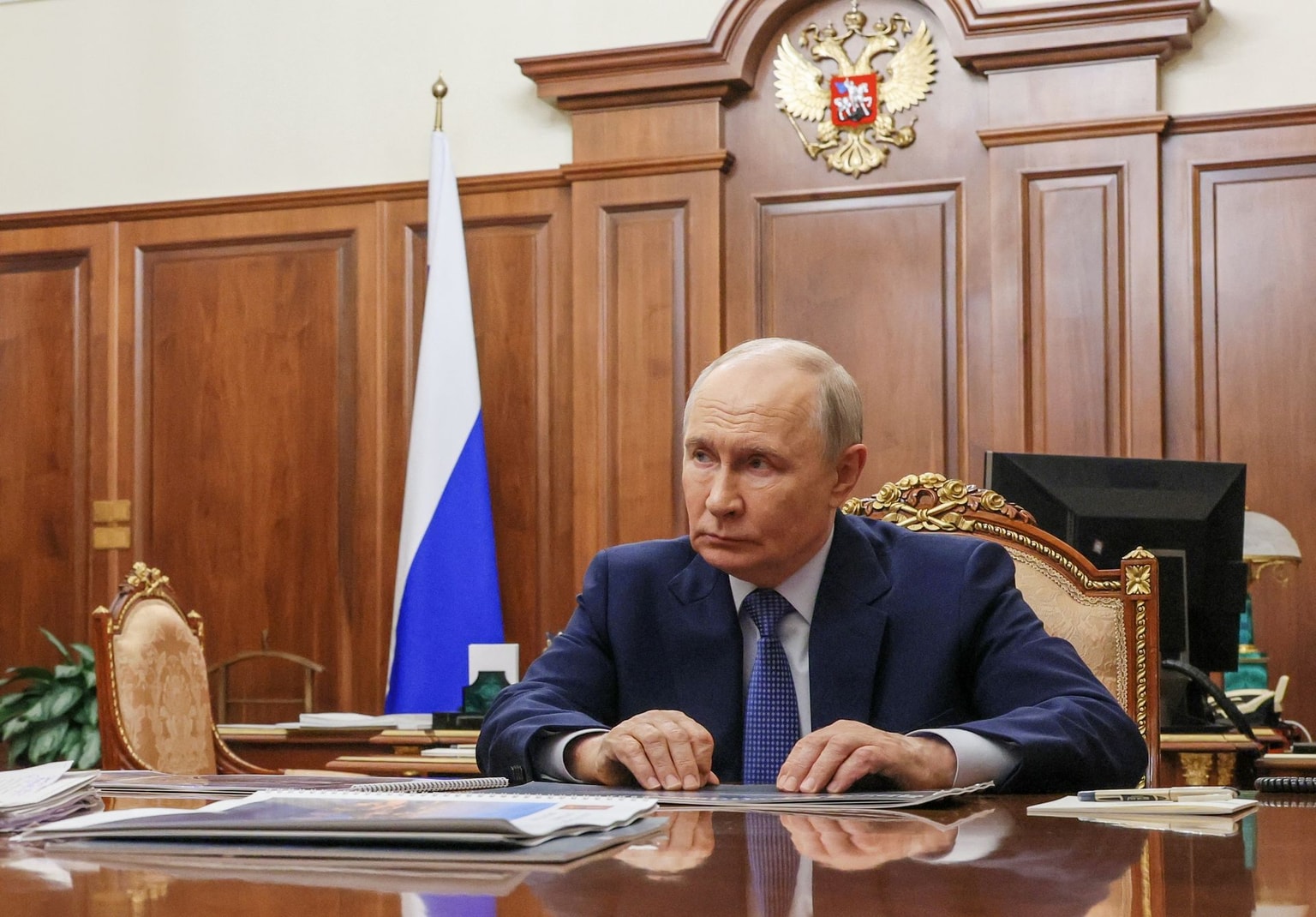
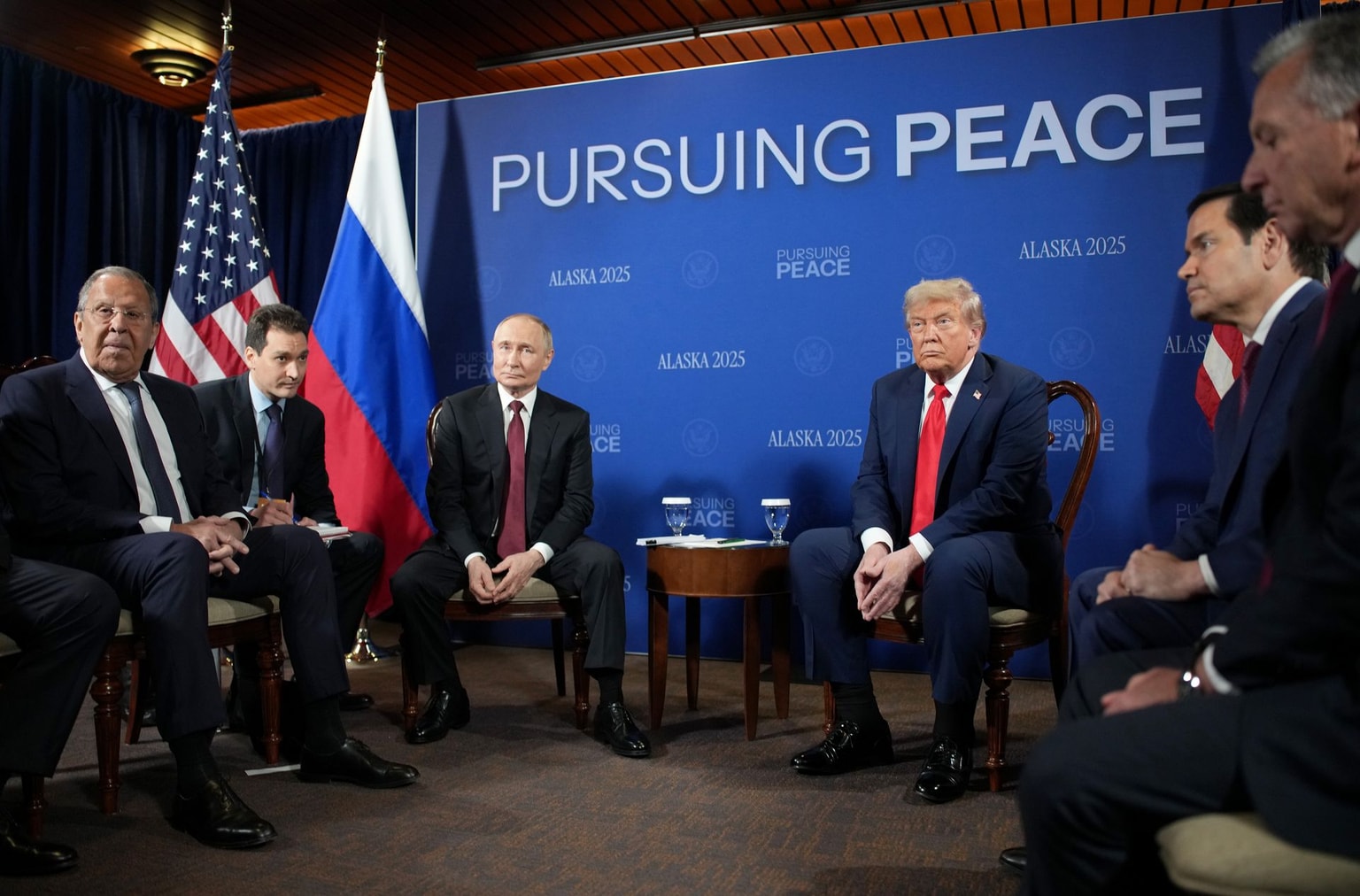
Russian President Vladimir Putin has suggested using assets held in the United States to fund reconstruction in war-affected areas, framing the funds as a potential bargaining tool in peace talks.
Ukraine has rejected that approach, insisting that frozen Russian assets should not become leverage in negotiations and should instead support compensation for damage caused by the war.