Republicans should include Iran in Lindsey Graham's Russia sanctions bill, Trump says
 on Google
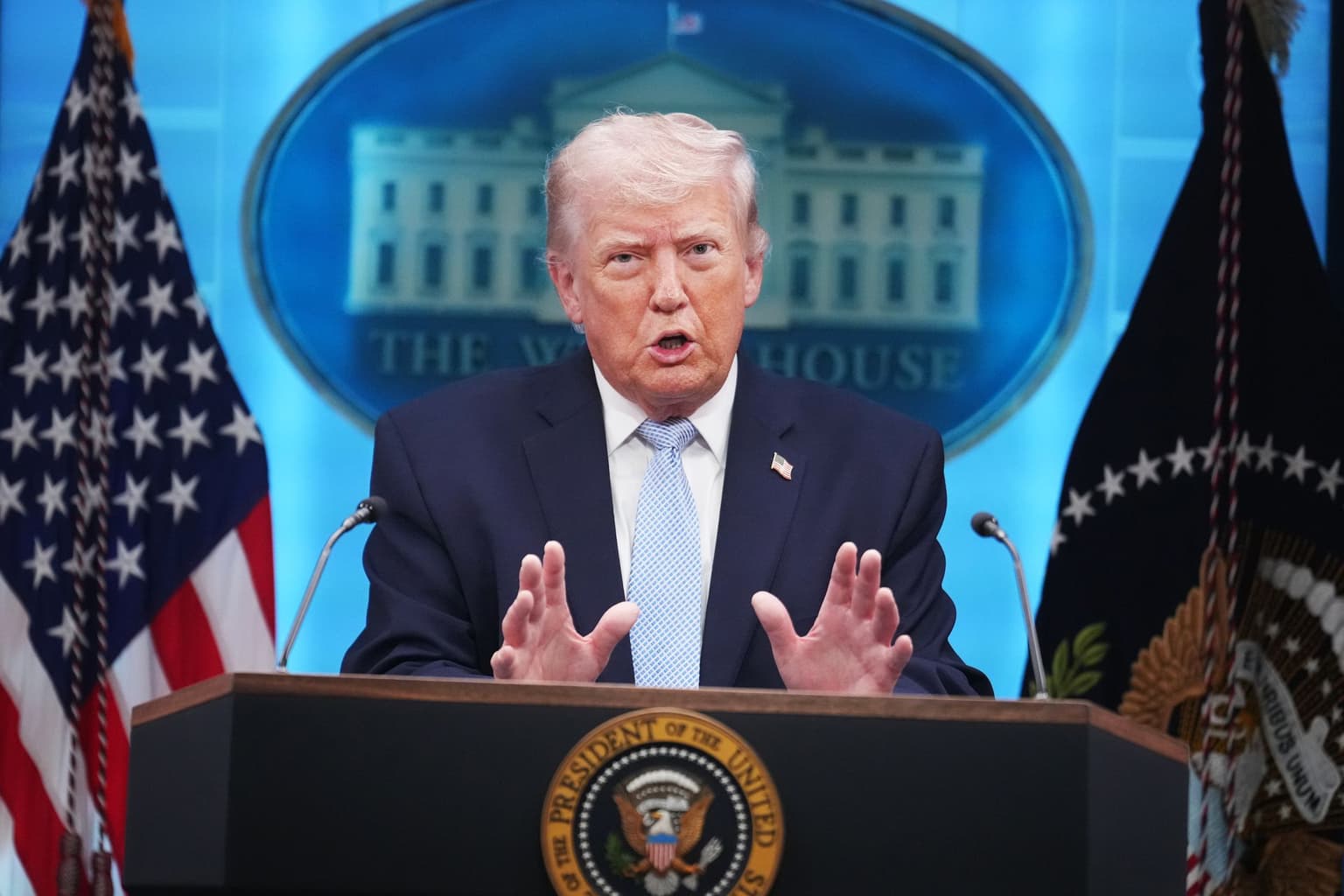
U.S. President Donald Trump on July 19 called upon the Republican Party to include measures against Iran in the long-delayed sanctions bill against Russia, signaling a potential hurdle for its swift passage.
A bipartisan group of U.S. senators recently unveiled a revised version of the bill spearheaded by the late Senator Lindsey Graham that slaps sanctions on top buyers of Russian oil and gas, aiming to undercut the Kremlin's wartime revenues.
The bill, which has gathered the necessary support among U.S. lawmakers to overcome the Senate filibuster, would impose a tariff of up to 100% on the top five buyers of Russian energy, among other measures.
Shortly before his sudden death on July 11, Graham said he had secured the White House's backing for passing the bill, which has been stuck in Congress since April 2025.
Trump's latest comments indicate that the U.S. president seeks additional — and possibly contentious — changes before he gives the legislation his full backing.
"Republicans should add Iran to the Russian Sanctions Bill. That's what Lindsey wanted to do, and it was going to happen. IMPORTANT!!!" Trump said on his Truth Social platform.
While Trump floated the idea of including Iran and its proxy, the Islamist group Hezbollah, in the sanctions bill as early as July 14, some lawmakers endorsing Graham's legislation pushed back.
"With all due respect to the president, he has approved this bill, and we should move forward with this bill rather than opening it," Democratic Senator Richard Blumenthal said.
"If there are other bills that he wants to propose, we'll consider them."
The current form of the legislation represents a scaled-down version of the initial bill, which called for a blanket 500% tariff on all buyers of Russian oil and gas. The current version also grants the president the right to waive sanctions, provided he justifies the waiver to Congress.
Trump's comments follow the collapse of the fragile ceasefire with Iran, reigniting the war between Tehran and Washington that has killed thousands and shaken global energy markets.